
Last updated November 16, 2026
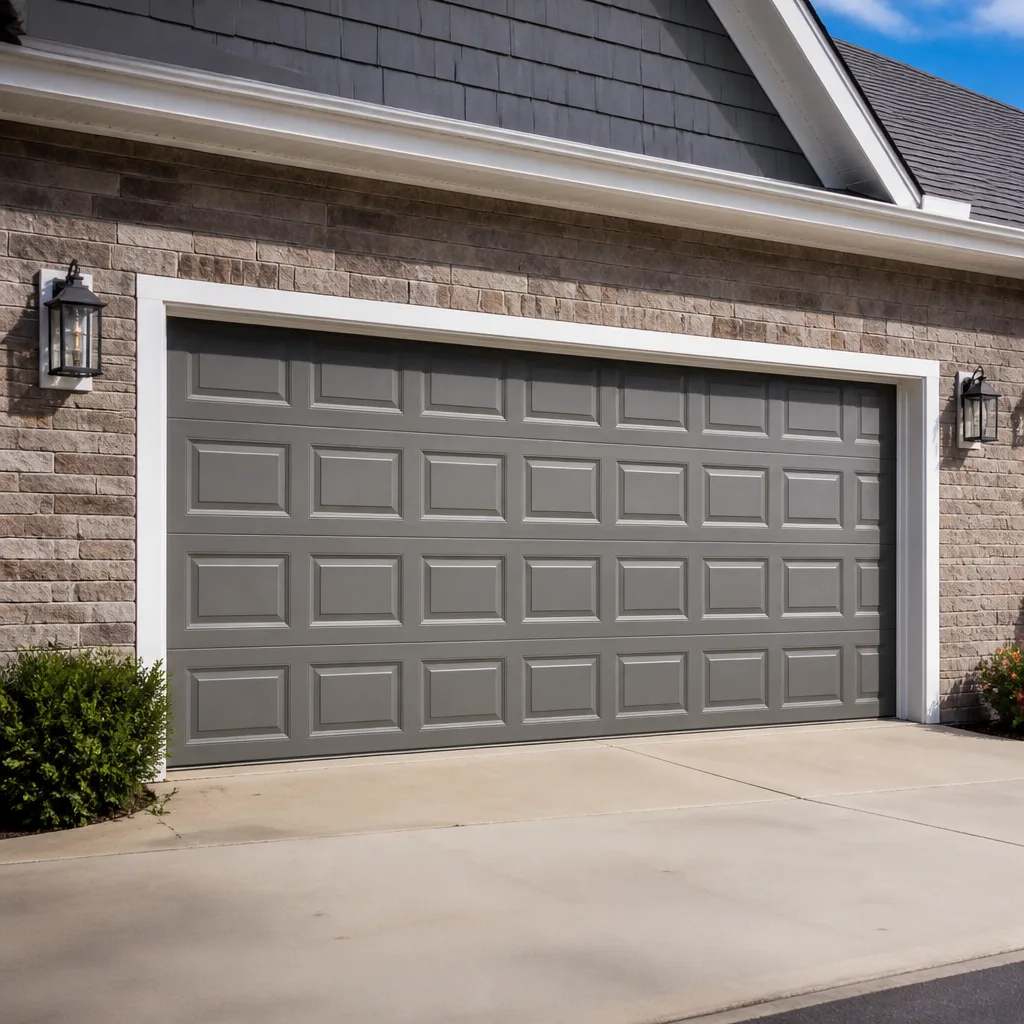 Raised-panel steel
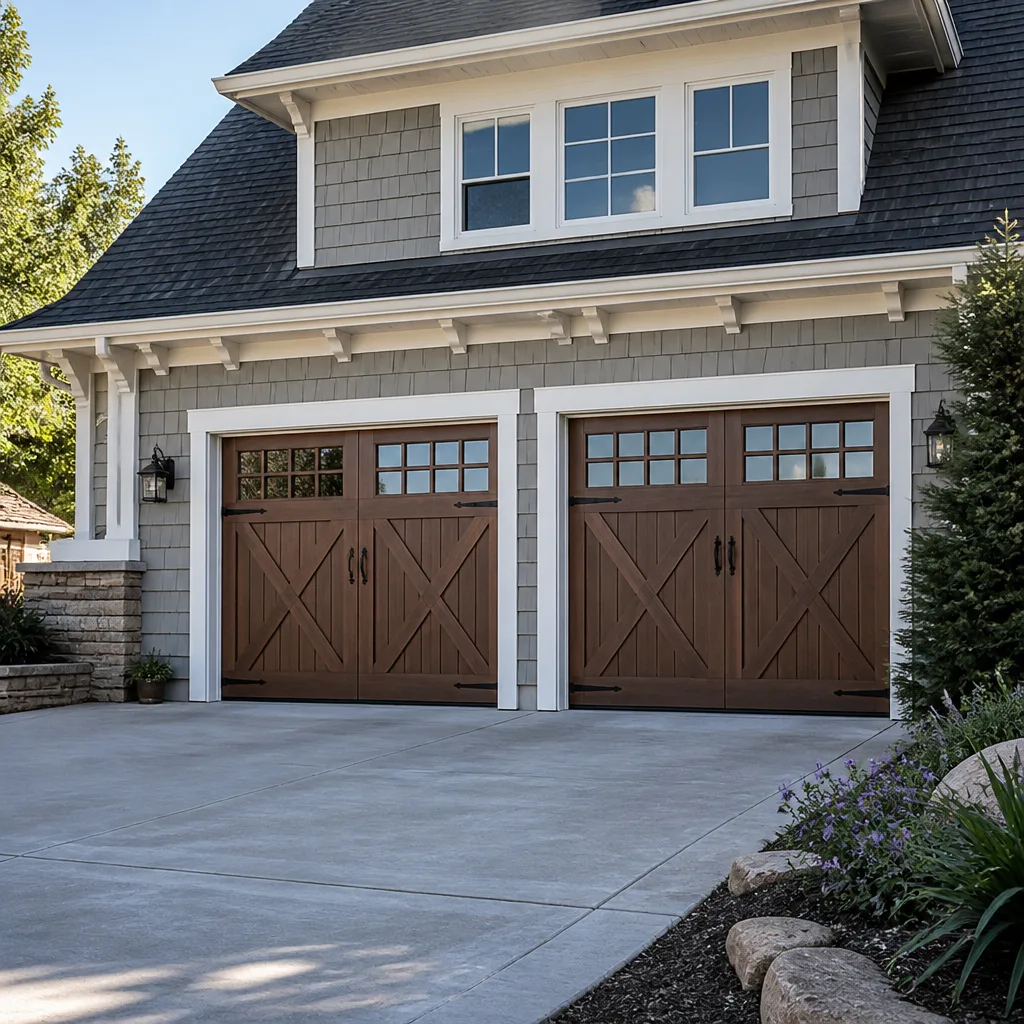 Carriage house
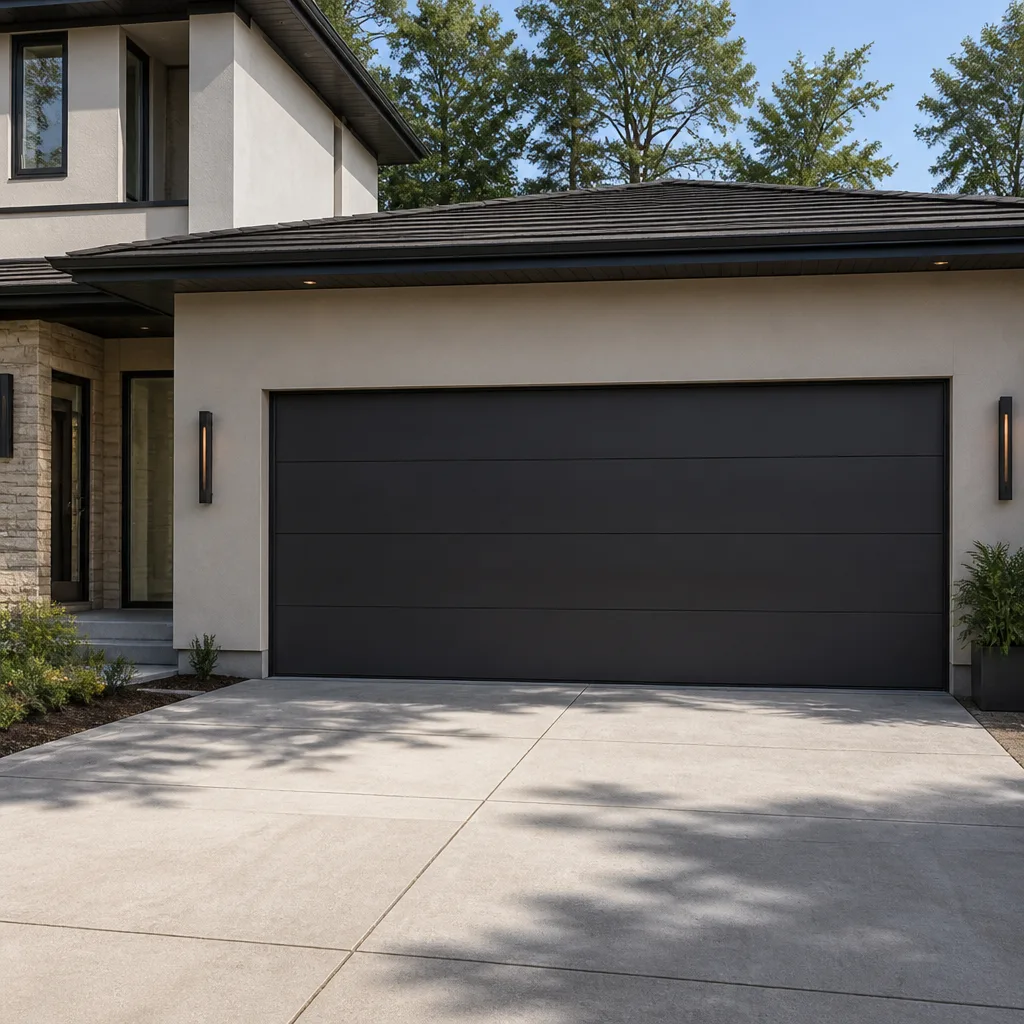 Modern flush
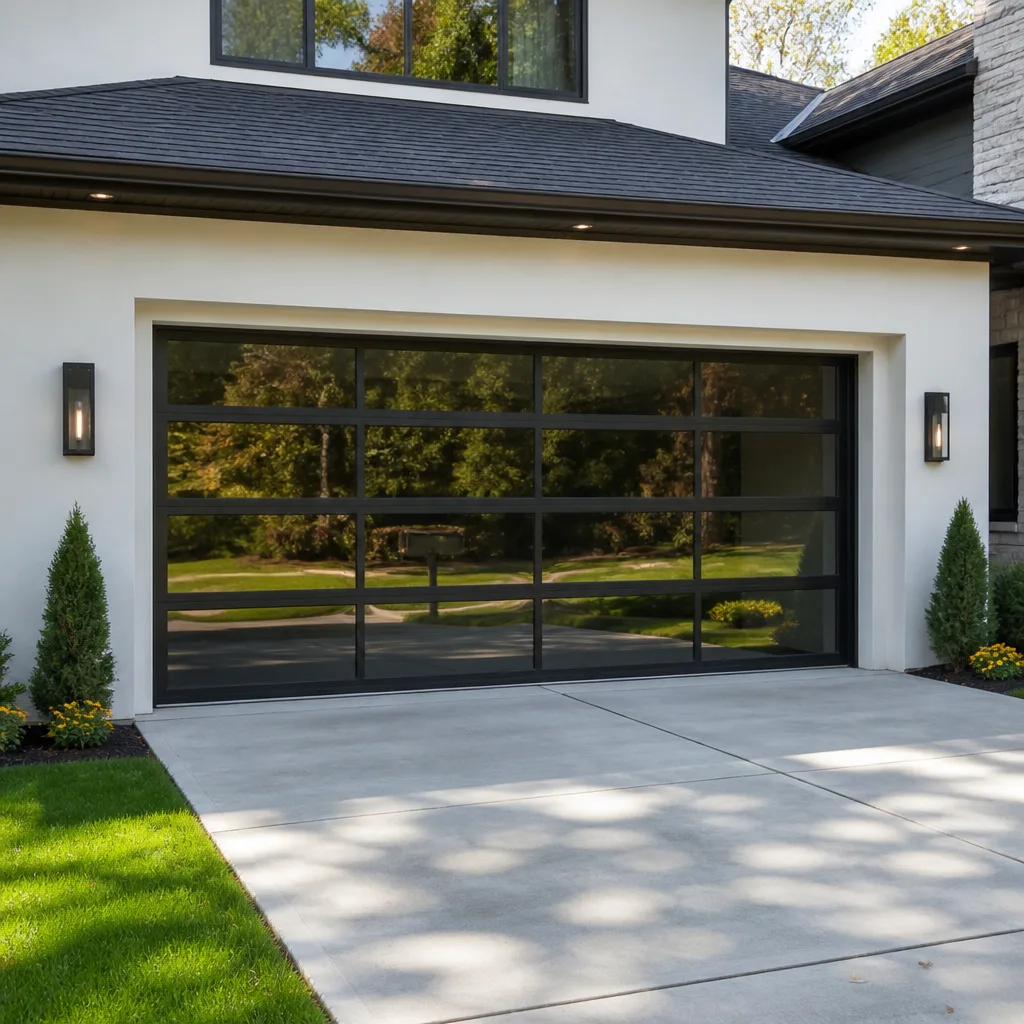 Full-view glass
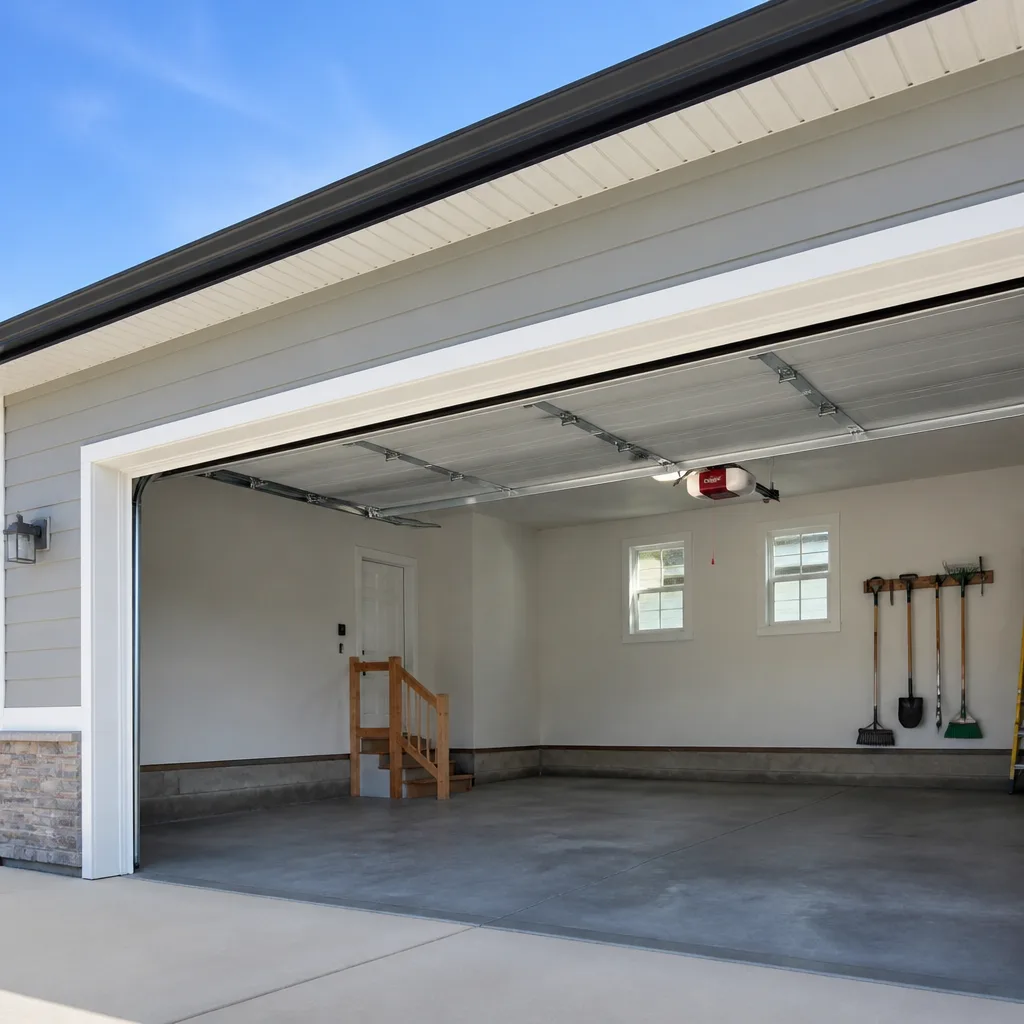 LiftMaster openers
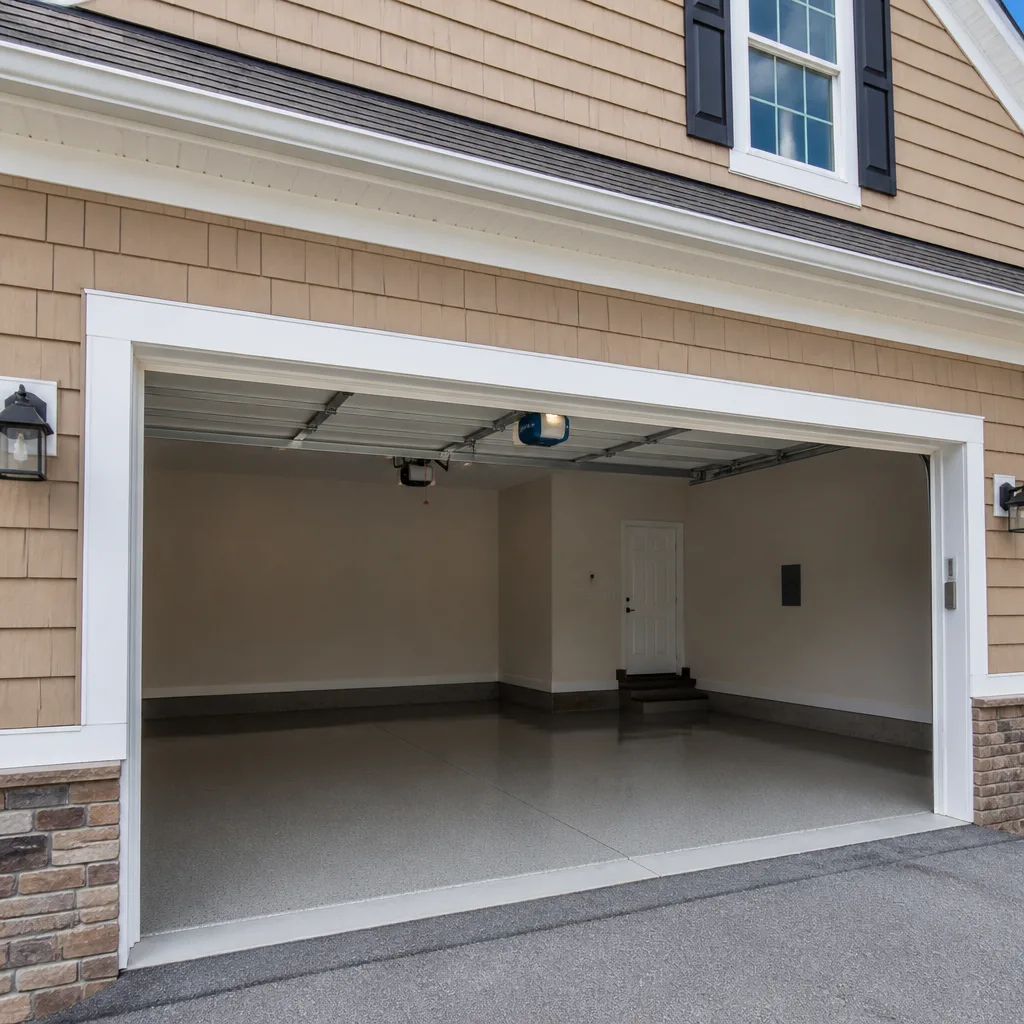 Chamberlain openers
Full 25-point door and opener safety check with every visit - springs, cables, rollers, tracks, and your LiftMaster or Chamberlain opener included
You get a price before we start. It does not change when the pro arrives.
Get your free estimateSeasonal Garage Door Care for Daly City: Year-Round Homeowner’s Guide
Most garage door maintenance advice is written for a place that gets real seasons. Daly City doesn’t. The rest of California braces for summer heat while Daly City spends June wrapped in fog and damp air that swells wood trim, saturates weatherstripping, and works quietly on the steel coils inside your springs. Then the winds come through and push on panel alignment, and then the rain arrives and finds every gap the fog opened. We’ve watched this cycle stress garage doors in ways a generic “lube it twice a year” checklist never addresses. This guide breaks the year into the seasons Daly City actually has – wet, windy, foggy, and dry – and shows you what each one does to your door and opener.
Styles & brands we work with
- Raised-panel steel
- Carriage house
- Modern flush
- Full-view glass
- LiftMaster openers
- Chamberlain openers
Quick Answer
Garage door care in Daly City should follow the local weather, not the calendar: inspect cables and bottom seals before the October-to-March wet season, check panel alignment and hinges after the windy stretch, and clean and lubricate metal hardware through the fog-heavy summer. Springs deserve inspection more often here than the standard 10,000-cycle guidance suggests because constant damp and temperature swings fatigue them faster. The single most skipped task is a fall bottom-seal and drainage check, and it’s the one that prevents the most winter emergency calls.
Table of Contents
- Why Daly City Seasons Don’t Match the Standard Maintenance Calendar
- The Wet Season (October to March): Cables, Seals, and Drainage
- The Windy Season: Panel Alignment and Hardware Loosening
- The Fog Season: What Cold Damp Does to Metal Hardware
- How to Spot Weatherstripping Failure Before Water Gets In
- Pre-Rainy-Season Prep: A Step-by-Step Checklist
- Why Springs Need a Different Inspection Timeline Here
- The One Fall Task Most Homeowners Skip
- Common Mistakes to Avoid
- When to Call a Professional
- Frequently Asked Questions
- The Bottom Line
Why Daly City Seasons Don’t Match the Standard Maintenance Calendar
National garage door advice assumes four seasons: hot summer, cold winter, and two mild stretches in between. Daly City runs on a different clock. The wet months, roughly October through March, bring steady rain and cool air. The windy season pushes through and works on anything loose. The fog season, the one people from out of town never expect, keeps the air cold and damp well into summer while inland towns bake. Then a short dry window arrives and everything finally dries out.
Each of those stretches stresses a different part of your door system. That matters because a garage door isn’t one object. It’s a mechanical assembly – panels, hinges, rollers, tracks, cables, springs, and bottom seal – plus an electronic opener with its own motor, drive, sensors, and remotes. The weather hits the mechanical half and the electronic half in different ways, and it hits them at different times of year.
What we see in Daly City homes reflects this. Doors that were perfectly adjusted in September develop a dragging sound by January. Bottom seals that looked fine in August let water across the garage floor in December. Springs that cycled without complaint all dry season start to feel sluggish once the damp settles in. None of that is mysterious once you understand which season is doing the work.
Here’s the core idea to carry through this guide: in Daly City, maintenance timing is dictated by moisture and wind, not by temperature. You’re not winterizing for cold. You’re preparing for water, then wind, then long damp, then a dry-out window you should use for inspection. Our technicians have up to 12 years of experience, and much of what they check on a Daly City door is driven by exactly this pattern.
If you ever want a full assessment rather than a self-check, our garage door repair service covers diagnostics across the whole mechanical assembly. But most of this guide is something you can do yourself with a flashlight, a rag, and a few minutes per season.
The Wet Season (October to March): Cables, Seals, and Drainage
The wet season is when Daly City garage doors take on the most stress, and most of it comes from water finding its way in rather than from the cold. Rain that pools against the bottom of the door, runs down the panels, or seeps past tired weatherstripping does slow, quiet damage: cables that stiffen, tracks that collect grit, and seals that lose their ability to close tight.
Cables are the part to watch most closely. They carry the door’s weight in tension, and when moisture works its way into the strands, they can start to corrode and fray. A cable that’s fine in summer can become a genuine safety problem by midwinter. Inspect them visually for fraying, kinks, or rust – from a safe distance, without touching them under tension. If anything looks off, stop using the door and get it looked at.
Your bottom seal, the rubber or vinyl strip along the base of the door, is the other wet-season weak point. It’s what keeps rain from running straight under the door and across your garage floor. When it hardens, cracks, or pulls away, water gets in with every storm.
- Cables: look for fraying, kinks, or rust along the length. Never handle a cable under tension.
- Bottom seal: check for cracks, hardening, or gaps between the seal and the floor.
- Tracks: clear leaves and grit so the door doesn’t drag and strain the opener.
- Drainage: make sure water runs away from the garage opening instead of pooling against the door.
- Panel joints: look for water streaks or damp spots that suggest rain is getting past a seam.
Drainage is the piece homeowners overlook. If the ground or paving outside the door slopes toward the opening, no seal will keep up with a heavy storm. A quick look at where water flows during a rain shower tells you a lot about what your seal is being asked to do.
Any door that’s been fighting water all season is worth a professional look before the dry window closes, because that’s when problems are easiest to fix and hardest to miss. If you notice the door struggling, our team at Regent Garage Door Repair can walk you through what we’d check.
The Windy Season: Panel Alignment and Hardware Loosening
Wind is the season most people forget, because it doesn’t leave water on the floor. What it does is push, and a garage door presents a large flat surface to every gust. Repeated wind pressure works on the fasteners, hinges, and rollers that keep panels aligned. Over a windy stretch, a door that was square in the fall can start to bind, rub, or hang slightly off in its tracks.
The signs are subtle at first. You might hear a new rattle, notice the door isn’t sitting flush when closed, or feel it hesitate partway up. Left alone, misalignment puts extra strain on the opener and the springs, and the whole system starts wearing faster.
After the windy stretch, a simple alignment check goes a long way:
- Open the door and look along the tracks for bends or dents.
- Check the hinges and roller brackets for loose screws (a screwdriver, not force, is what you need).
- Close the door and look at the horizontal line of the bottom edge – it should sit level and even.
- Watch the door travel up and down for any wobble or rubbing against the tracks.
- Listen for new rattles or grinding that weren’t there before the wind.
Loose hardware you can snug up carefully yourself. But if a door is visibly out of alignment, or a panel has been pushed by wind pressure, don’t force it – a misadjusted door can come off its track, and that’s a job for someone who does it every day. Brand familiarity helps here, too: knowing how a Raynor or a Craftsman door is built means a technician can spot what’s out of true quickly rather than guessing.
Wind also finds its way past tired weatherstripping and rattles the door against the frame. If every gust seems to whistle through the opening, that’s a sign your seal has lost its grip, which ties directly into the fog season problem we cover next.
The Fog Season: What Cold Damp Does to Metal Hardware
The fog season is Daly City’s defining stretch, and it’s the one that surprises people who assume a California garage door gets an easy summer. Cold, damp air hangs around for weeks, and it does two things to your hardware. It keeps metal parts from fully drying out between cycles, and it holds moisture against anything that can absorb it – wood trim, seals, and the small steel components that make up your springs, rollers, and hinges.
Constant damp is harder on metal than a quick rain that dries by afternoon. When rollers, hinges, and the coils of your torsion springs stay slightly wet day after day, they’re more prone to stiffening and surface wear. This is why lubrication matters more here than in a dry climate. A light, garage-door-appropriate lubricant on rollers, hinges, and the moving parts of the tracks keeps moisture at bay and the door moving freely.
Fog season also swells wood. If your garage door or its frame has wood trim, damp air can make it expand, and then the dry window shrinks it back. That cycle loosens fasteners and opens small gaps. Watch for:
- Paint or finish lifting or bubbling on wood trim.
- Doors that stick or rub in one spot more than others.
- New squeaks from rollers and hinges that were quiet before.
- Gaps opening between the door edge and the frame.
The opener is a separate concern in fog season. Damp air and temperature swings can affect the small electronic parts of your system – sensors, remotes, and smart-home connectivity on a LiftMaster or Chamberlain unit, for example. If your opener is behaving oddly while the door itself moves fine, the problem is likely in the electronics, not the door. That’s a diagnostics question rather than a lubrication one, and it’s worth separating the two before assuming you need a new opener. Our garage door opener repair service focuses on that split between motor, drive, and connectivity issues.
How to Spot Weatherstripping Failure Before Water Gets In
Daly City’s cold-damp-then-dry cycle is tough on weatherstripping specifically. The material flexes as it gets wet and then shrinks as it dries, over and over, until it loses the springiness that let it press tight against the door and floor. By the time you notice water in the garage, the seal has usually been failing for weeks.
You can catch it earlier. Weatherstripping failure shows up in a predictable order:
- Hardening. The seal feels stiff or brittle instead of soft and flexible.
- Cracking. Small splits appear, usually first along the bottom seal where water sits longest.
- Shrinking or pulling away. The strip separates from the door edge or frame, leaving a visible gap.
- Loss of contact. The bottom seal no longer touches the floor evenly; you can see daylight under part of the door.
- Water intrusion. Damp spots, water streaks, or a wet floor appear near the opening after rain.
The daylight test is the fastest one to run. On a dry day, stand inside the garage in dim light and look along the bottom edge of the closed door. If light shows through in places, the seal isn’t doing its job, and water will follow the same path the light takes. Do the same along the sides and top.
Replacing weatherstripping is a manageable job, and catching it before the wet season means you’re sealing against rain instead of cleaning up after it. If you’re not sure whether the seal or the door’s own alignment is causing the gap, that’s worth a professional look – the two problems look similar but get fixed differently, especially on doors from brands like Clopay or Amarr that use specific seal profiles.
Pre-Rainy-Season Prep: A Step-by-Step Checklist
The best time to prepare a Daly City garage door for the wet season is the dry window just before the rain returns. A focused afternoon of checks in early fall prevents a lot of the emergency calls that pile up once the storms start. Here’s the sequence we’d walk through:
- Inspect the bottom seal for daylight. Stand inside on a dry day and check for gaps along the base. Replace a hardened or cracked seal now, not after the first storm.
- Clear drainage away from the opening. Make sure water runs off rather than pooling against the door. Clear gutters and any paving that directs water toward the garage.
- Check cable tension visually – from a safe distance. Look for fraying, kinks, or rust. Never adjust cables yourself; they’re under extreme tension and belong to a trained professional.
- Lubricate rollers, hinges, and moving track parts. A light, proper lubricant keeps damp out and the door moving freely through the wet months.
- Snug loose hinge and bracket screws. Firm, not forced.
- Test the door’s balance. Disconnect the opener and lift the door halfway by hand. It should feel manageable and stay put. If it drops or feels very heavy, the springs need attention.
- Run the safety reverse test on the opener. Put a small object in the door’s path and confirm the door reverses on contact. This is a safety feature you want working before the season starts.
That checklist covers the mechanical and electronic sides both. Doing it before the rain means you’re fixing small things in good weather instead of chasing water damage in the middle of a storm. The one task most people skip – the bottom seal and drainage check – is exactly the one that prevents the most winter service calls, which is why it’s first on this list.
Why Springs Need a Different Inspection Timeline Here
Industry guidance often frames spring life in cycles – roughly 10,000 open-and-close cycles before a torsion spring is due for replacement. That number is a useful baseline, but it assumes typical, fairly dry conditions. In a damp, fog-influenced climate like Daly City’s, we’ve found that springs and the hardware around them deserve inspection on a shorter, weather-driven timeline rather than a strict cycle count.
Here’s why. Constant damp and repeated temperature swings put stress on the coils beyond simple use. Moisture that lingers on a spring’s surface contributes to wear, and the expansion and contraction of the surrounding metal adds to the fatigue. A spring can be well under its cycle count and still show warning signs because the local climate has been working on it the whole time.
What you can safely check – without ever touching a spring:
- Listen. A loud bang from the garage, followed by a door that won’t lift, is the classic sign of a broken spring.
- Watch the door’s balance. If it feels much heavier than usual when you lift it by hand with the opener disconnected, the springs may be losing tension.
- Look for a visible gap. From a safe distance, a torsion spring with a clear gap in the coil is a broken spring.
- Notice the opener straining. A door that suddenly seems too heavy for the opener points back to the springs.
This is where a duty of care matters. Garage door springs are under enormous tension, and adjusting or replacing them is one of the most dangerous jobs in the trade. Never attempt to wind, unwind, or remove a spring yourself, and never handle the cables attached to it. A trained professional has the right tools and knows how to release that tension safely. If your door shows any spring warning sign, stop using it and call for help rather than experimenting.
In our experience, Daly City homeowners are better served by having springs inspected seasonally – particularly as the wet season approaches – than by waiting for a cycle count to tick over. The door itself will tell you when the springs are struggling if you know what to watch for.
The One Fall Task Most Homeowners Skip
If there’s a single chore that causes the most winter emergency calls, it’s the fall bottom-seal and drainage check. It’s easy to skip because nothing has visibly broken yet. The door still closes. There’s no strange noise. So it gets pushed to next weekend, and then the rain arrives and finds the gap.
What’s happening is simple. Through the fog season, the bottom seal has been flexing wet and dry over and over. By fall it’s often hardened or cracked, even if it looks intact from a distance. At the same time, leaves and debris have quietly blocked the paths water used to take away from the opening. The two problems combine: more water reaches the door, and less gets past it.
The fix is one afternoon of work. Check the bottom seal for daylight and replace it if it’s stiff or cracked. Clear the drainage so water runs off the opening. Then run the door and listen – a smooth, quiet close tells you the seal is making even contact. If you’d rather have it done right the first time and know the seal is matched to your door, that’s a job a specialist can handle before the season turns.
The reason this one task matters so much is that everything downstream depends on it. A good seal keeps water off your cables, tracks, and hardware through the wet months, which protects the parts that are hardest and most expensive to fix. Skip it, and the wet season finds every weak point for you.
Common Mistakes to Avoid
- Following a national maintenance calendar instead of the local one. Prepping for summer heat is the wrong focus in Daly City; moisture and wind are what stress your door. Time your care to the wet, windy, and foggy stretches instead.
- Ignoring the bottom seal because the door still closes. A door can close fine and still let water in through a hardened or cracked seal. Run the daylight test each fall rather than waiting for a wet floor.
- Greasing everything in sight. The tracks themselves generally shouldn’t be coated in lubricant – it collects grit and can make rollers slide instead of roll. Lubricate the rollers, hinges, and moving parts, not the track surface.
- Touching springs or cables. These parts are under extreme tension and cause serious injuries. Inspect them visually from a safe distance and leave the work to a trained professional.
- Assuming an odd-acting opener needs replacing. A door that moves fine but a remote or sensor that misbehaves is often an electronics or connectivity problem, not a dead motor. Diagnose before replacing.
- Ignoring small misalignments after the windy season. A door that’s slightly out of true wears faster and strains the opener. Catch it early with a track and hinge check.
- Letting debris pile up in the tracks through the wet months. Grit and leaves cause the door to drag, which puts extra load on the opener and springs all season.
When to Call a Professional
Some seasonal care you can do yourself. Some of it you shouldn’t. Call a professional if you see a broken or sagging spring, a frayed or kinked cable, a door that’s visibly off its track, or any sign the door has become unsafe to operate. Those aren’t maintenance tasks; they’re real hazards, and a trained technician should handle them. Call if the door feels suddenly very heavy, if the opener is straining, or if you’ve tried the daylight test and can’t tell whether the gap is the weatherstripping or a misaligned door. Call if the opener misbehaves while the door moves fine, because separating an electronics fault from a mechanical one saves you from replacing the wrong thing. Call if water is getting into the garage after your best pre-season prep. And call for a seasonal inspection if you’d just rather know the whole system is sound before the wet months arrive.
Regent Garage Door Repair offers free estimates in Daly City – call (866) 812-8584. We answer 24/7. Fast dispatch from 7am to 7pm, Sunday through Friday.
You can also explore our full Daly City service area to see how we help homeowners across the city stay ahead of each season.
Frequently Asked Questions
Aim for a check each season, timed to the local weather: a pre-wet-season inspection in early fall, an alignment check after the windy stretch, and a clean-and-lubricate pass through the foggy summer. Because Daly City’s seasons are driven by moisture and wind rather than temperature, this weather-based rhythm serves a door better than a generic twice-a-year schedule. If your door is older or has been trouble before, a professional seasonal inspection gives you more certainty. Call (866) 812-8584 for an exact quote – estimates are free.
Constant damp and repeated temperature swings put extra stress on spring coils and the hardware around them, so springs here can show wear well before they hit the standard cycle count. That’s why a weather-driven inspection timeline makes sense for Daly City. Springs are under extreme tension and dangerous to handle yourself – never adjust or remove one. If a door suddenly feels much heavier or you hear a loud bang, stop using it and have it checked. Call (866) 812-8584 for an exact quote – estimates are free.
The best window is the dry stretch just before the wet season begins, when the days are clear and small problems are easy to see. That’s when to check the bottom seal, clear drainage, inspect cables visually, and lubricate the moving parts. Doing this before the rain means fixing things in good weather rather than chasing water damage mid-storm. If you want it checked thoroughly, call (866) 812-8584 for an exact quote – estimates are free.
A door can close perfectly and still let water in through a hardened or cracked bottom seal, or because water is pooling against the opening rather than draining away. Run the daylight test on a dry day: if light shows along the bottom edge, the seal isn’t making contact. Check drainage outside the door as well. If you’re not sure whether it’s the seal or the door’s alignment, that’s worth a professional look. Call (866) 812-8584 for an exact quote – estimates are free.
Yes – lubricating rollers, hinges, and the moving parts is a good seasonal task you can do yourself, especially before the fog season keeps parts damp. Use a lubricant meant for garage doors and avoid coating the track surface, since that collects grit. Don’t lubricate or handle springs and cables; those are under tension and belong to a trained professional. If you’d rather not tackle it, call (866) 812-8584 for an exact quote – estimates are free.
Not necessarily. If the door itself travels smoothly but the opener misbehaves, the problem is usually in the electronics or connectivity – sensors, remotes, or smart-home features – rather than a dead motor. On LiftMaster and Chamberlain systems these are separate diagnostics from the mechanical door, and separating the two saves you from replacing a healthy opener. Call (866) 812-8584 for an exact quote – estimates are free.
The Bottom Line
Daly City doesn’t run on textbook seasons, and its garage doors don’t either. Your maintenance should follow the wet, windy, and foggy stretches, not the national calendar. Protect your cables and bottom seal before the rain, check panel alignment and hardware after the wind, and keep metal parts clean and lubricated through the damp fog season. Inspect springs on a weather-driven timeline rather than a strict cycle count, and never touch a spring or cable yourself. The fall bottom-seal and drainage check is the one task worth prioritizing, because it prevents the most winter emergencies. Do those things and your door handles the Daly City year far better than one left to chance.
If you’d like help getting ahead of the seasons, Regent Garage Door Repair works on repair, opener repair, and installation across the brands Daly City homeowners actually have – including Craftsman, Raynor, LiftMaster, and Chamberlain. We know your brand before we arrive, so the work starts with a diagnosis rather than a guess. Call (866) 812-8584 for a free estimate. We answer 24/7. Fast dispatch from 7am to 7pm, Sunday through Friday.
Written by the team at Regent Garage Door Repair.
See the difference
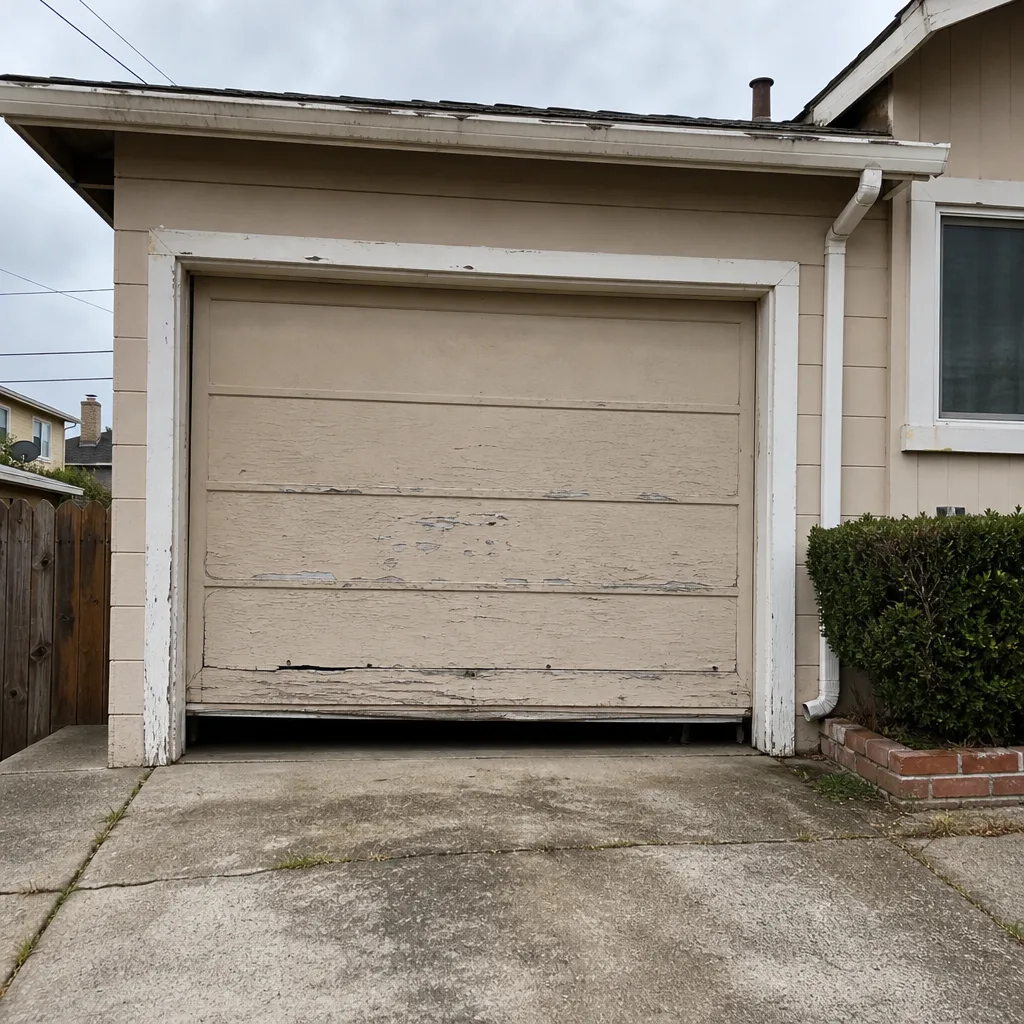 Before
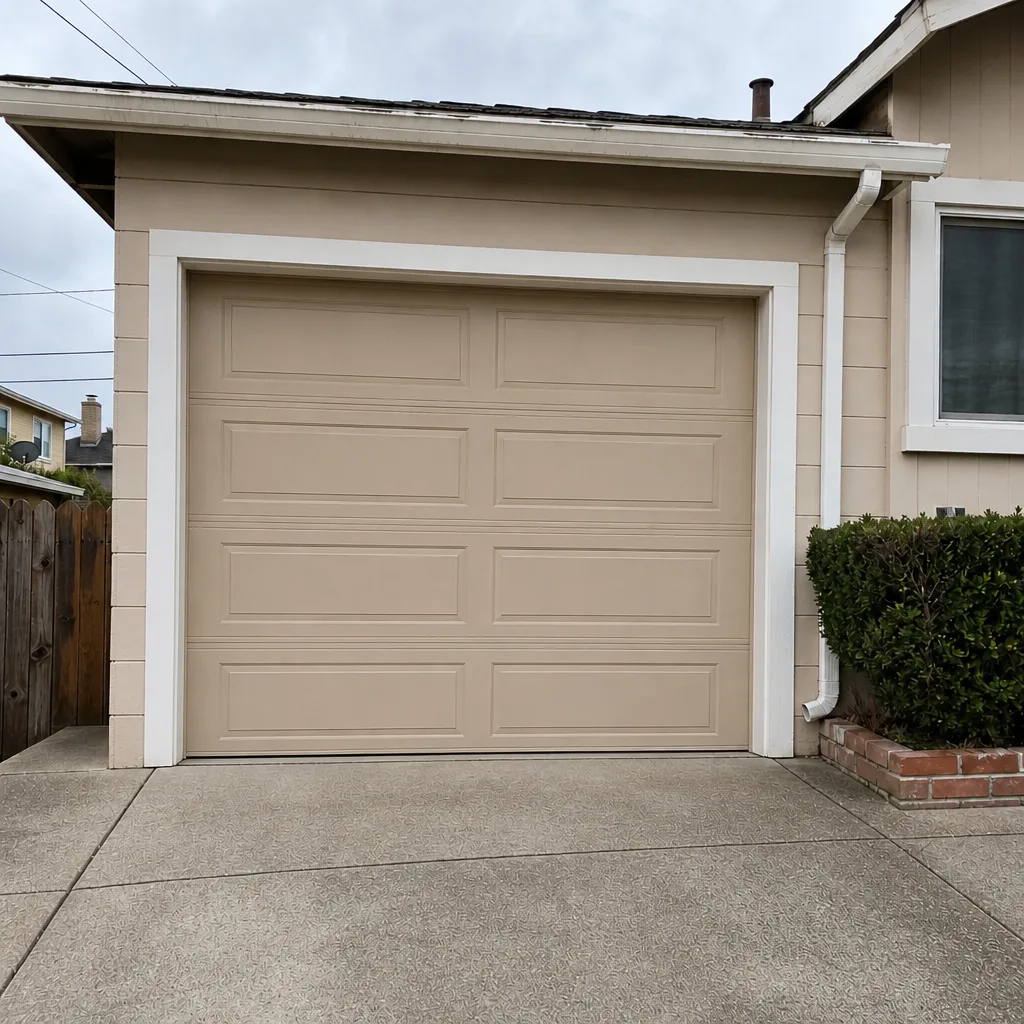 After
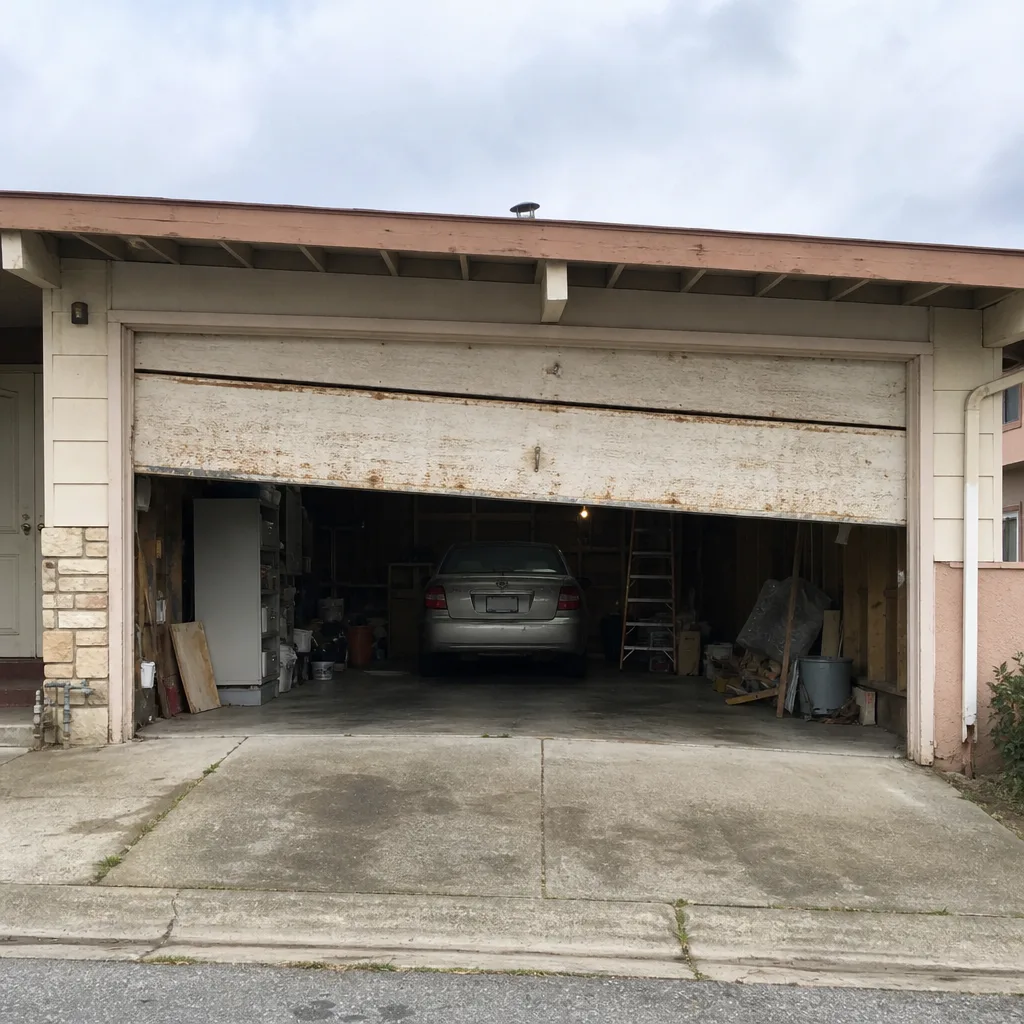 Before
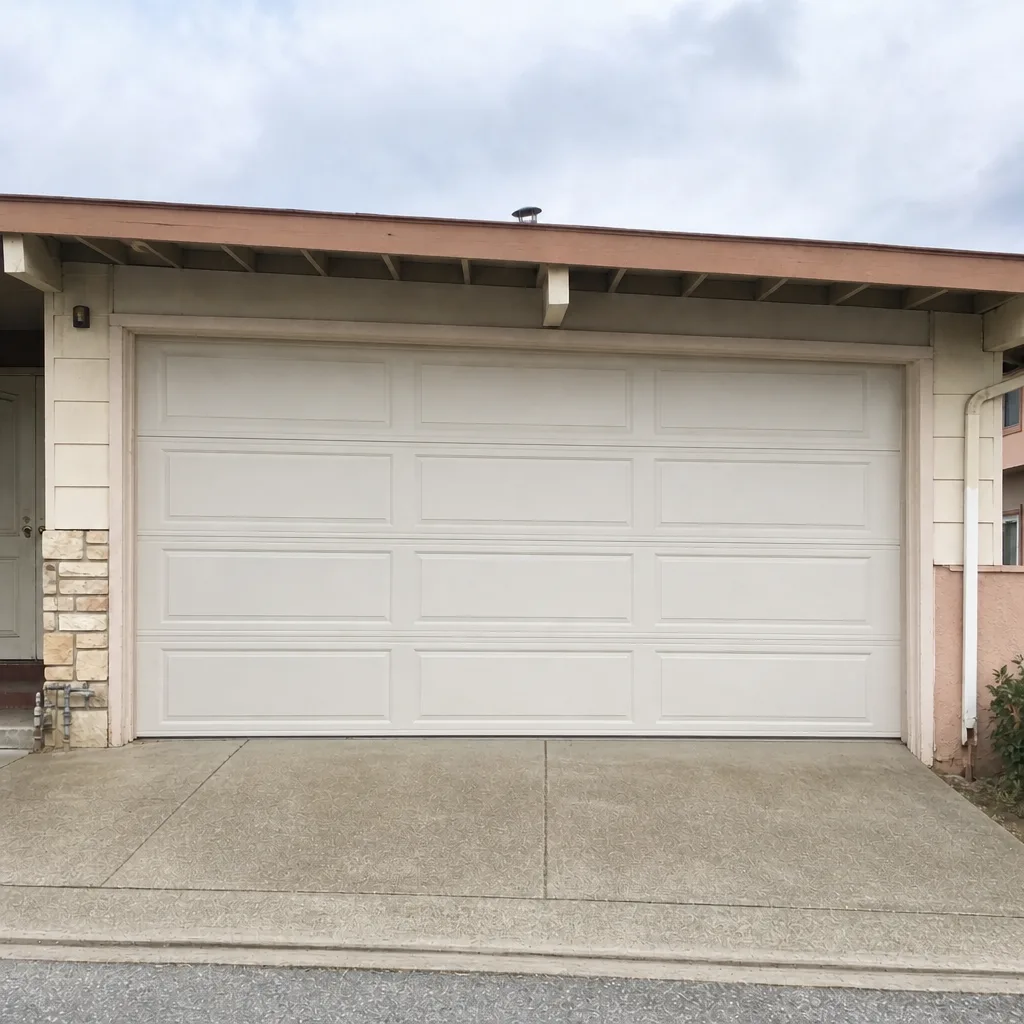 After
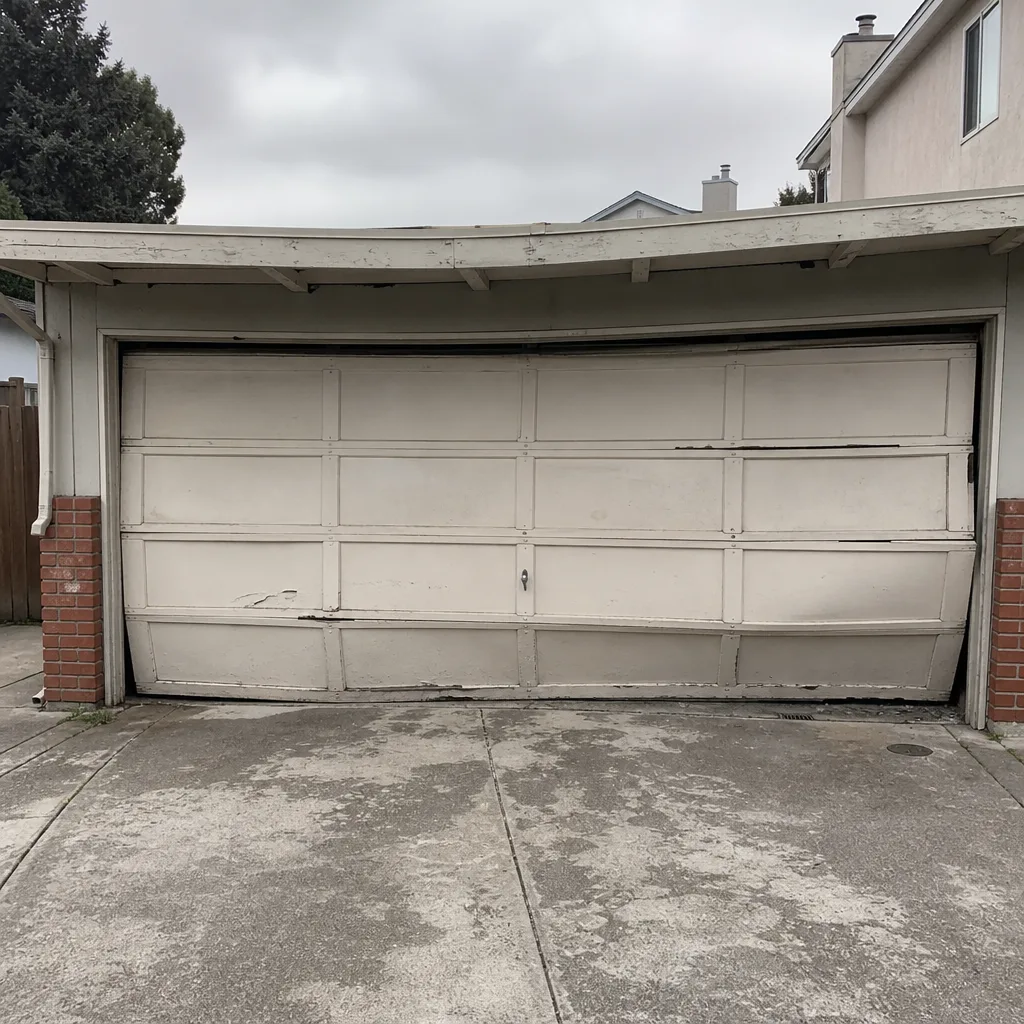 Before
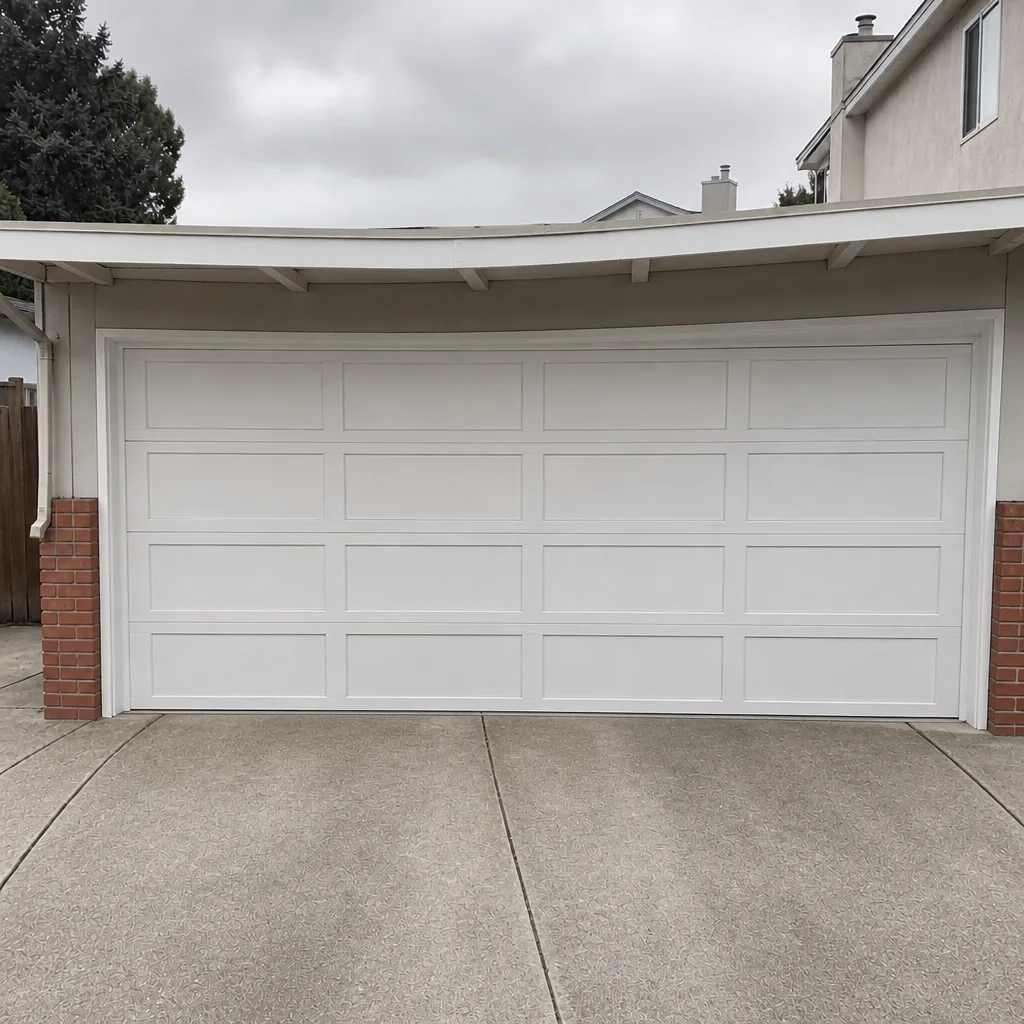 After