
Last updated November 16, 2026
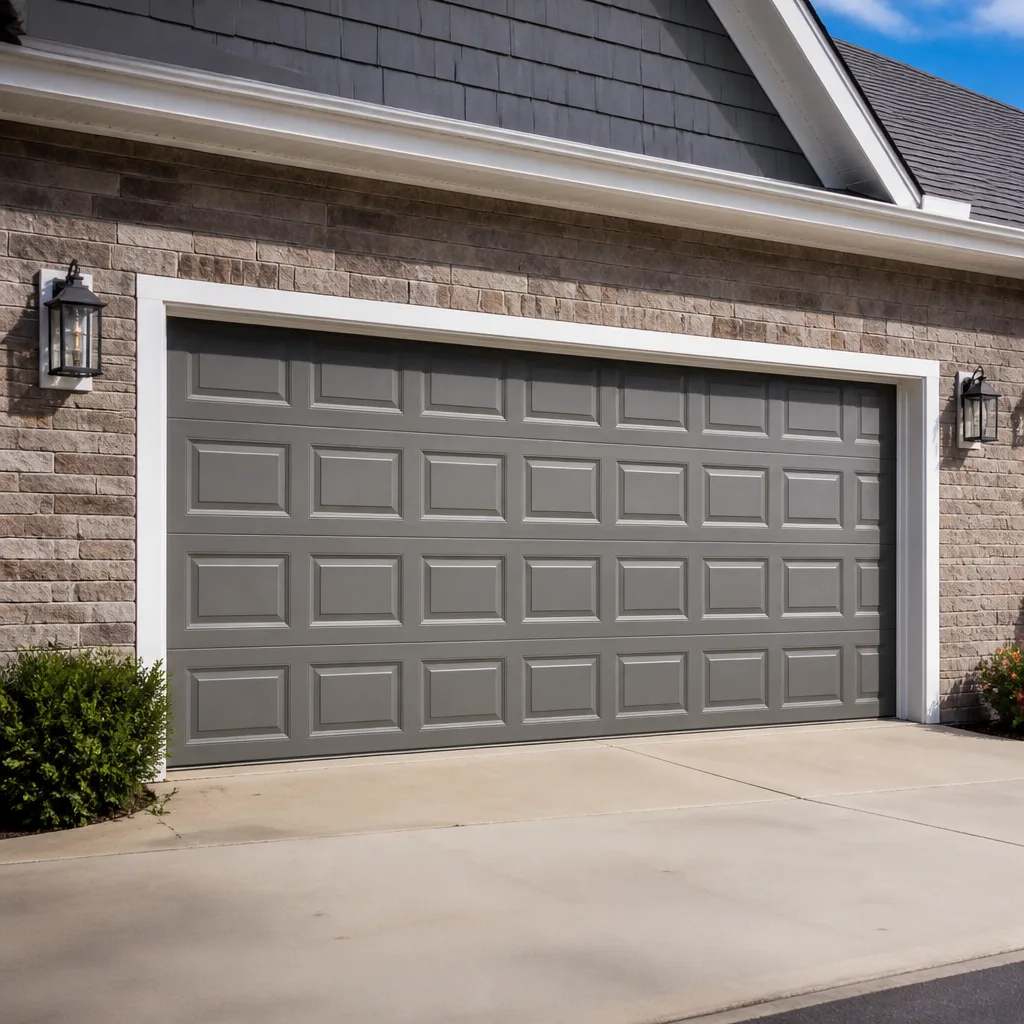 Raised-panel steel
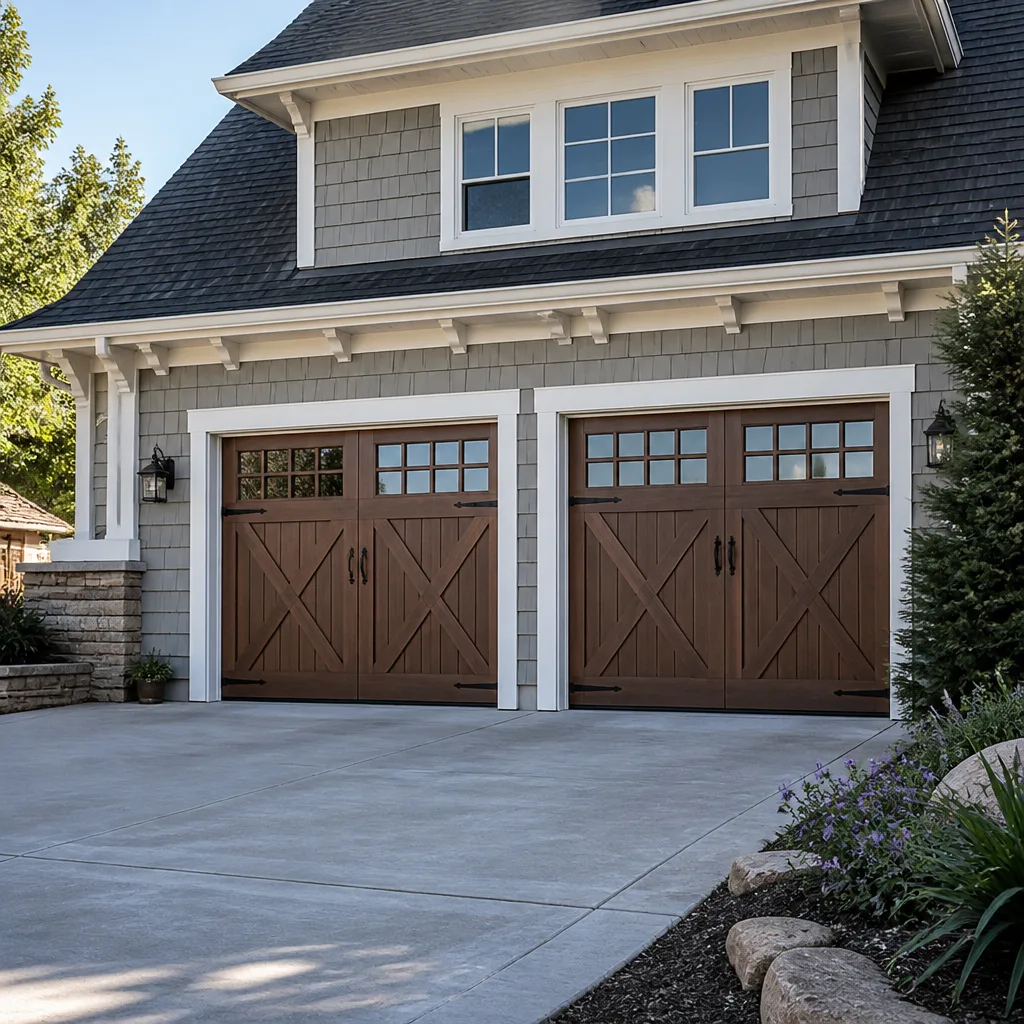 Carriage house
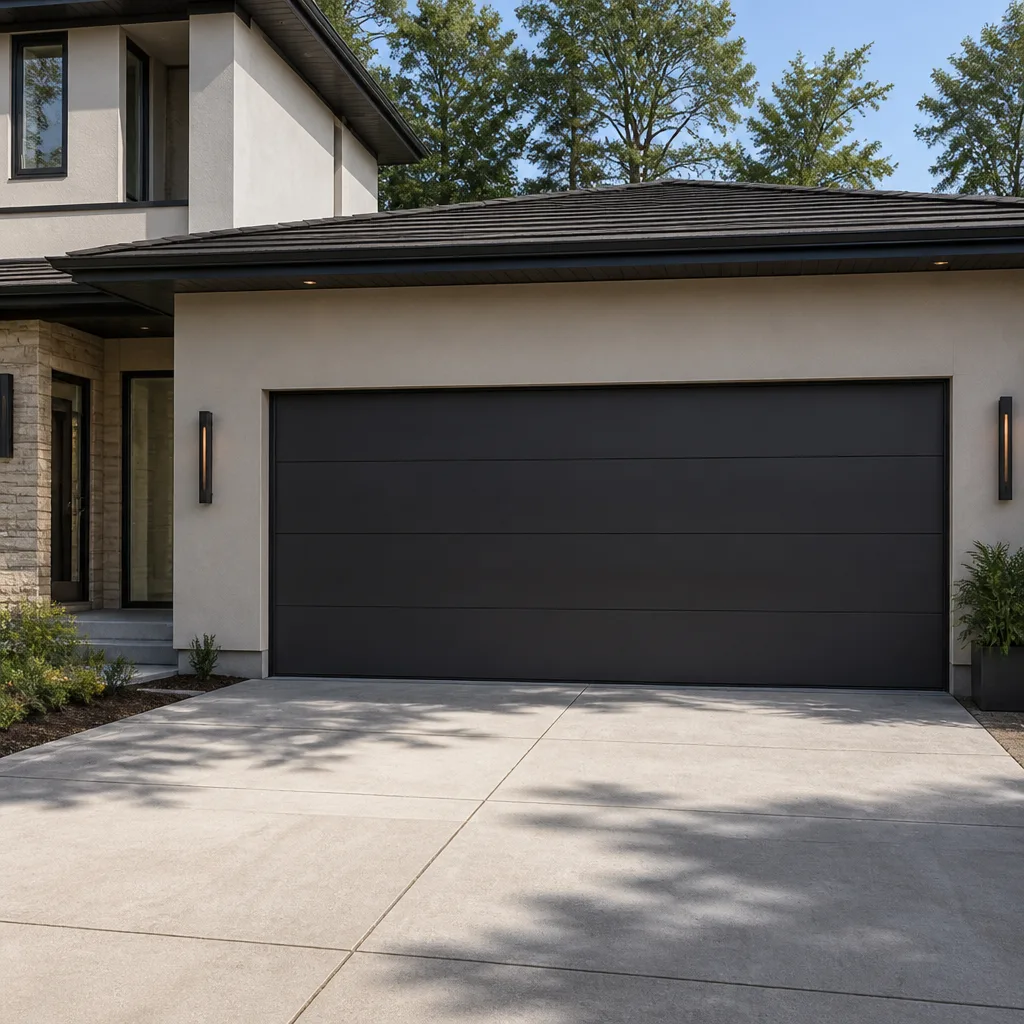 Modern flush
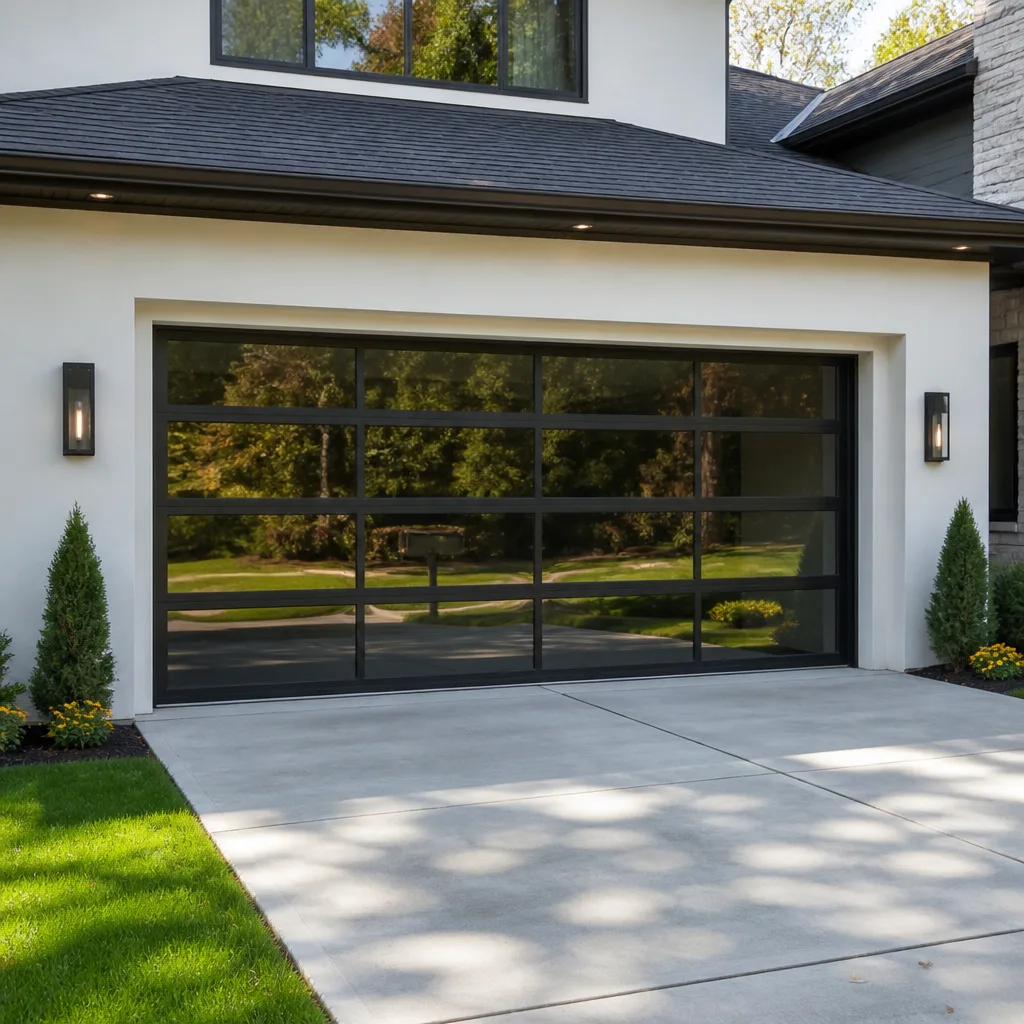 Full-view glass
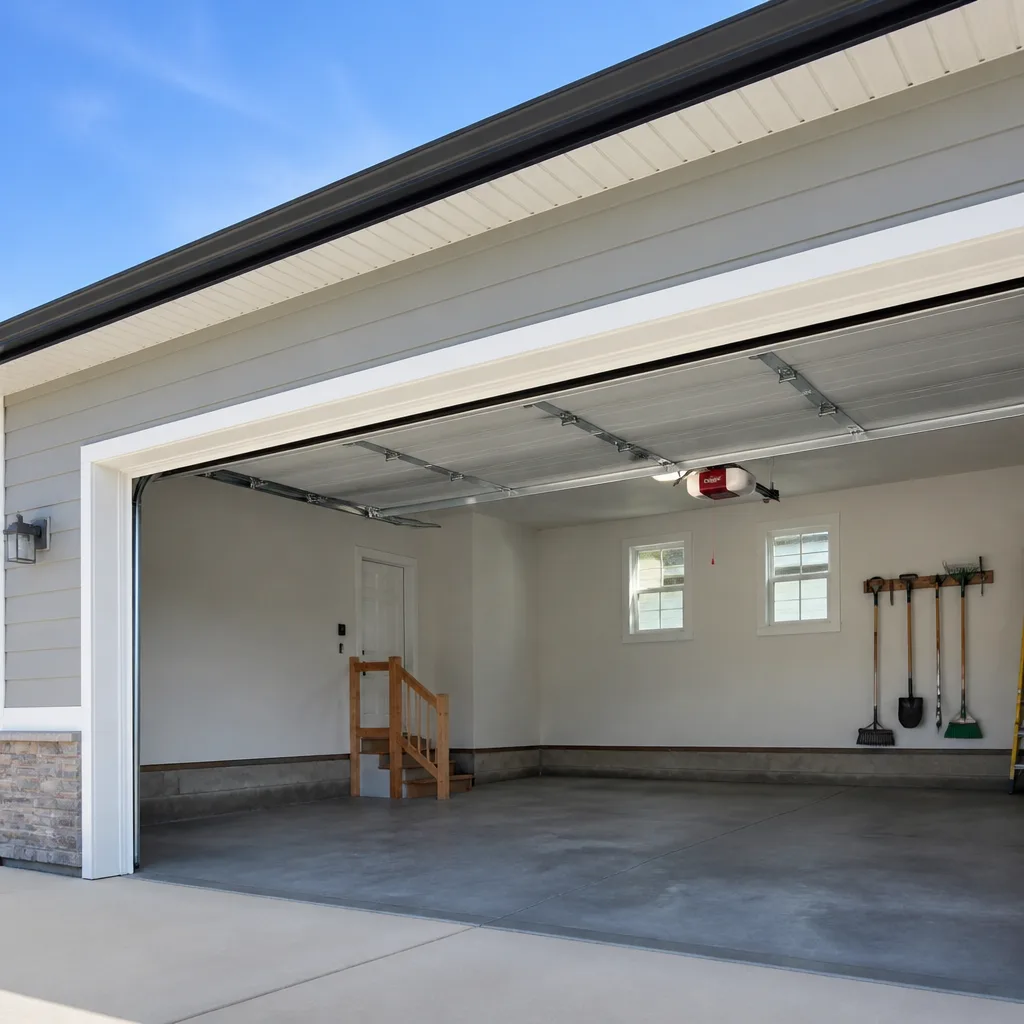 LiftMaster openers
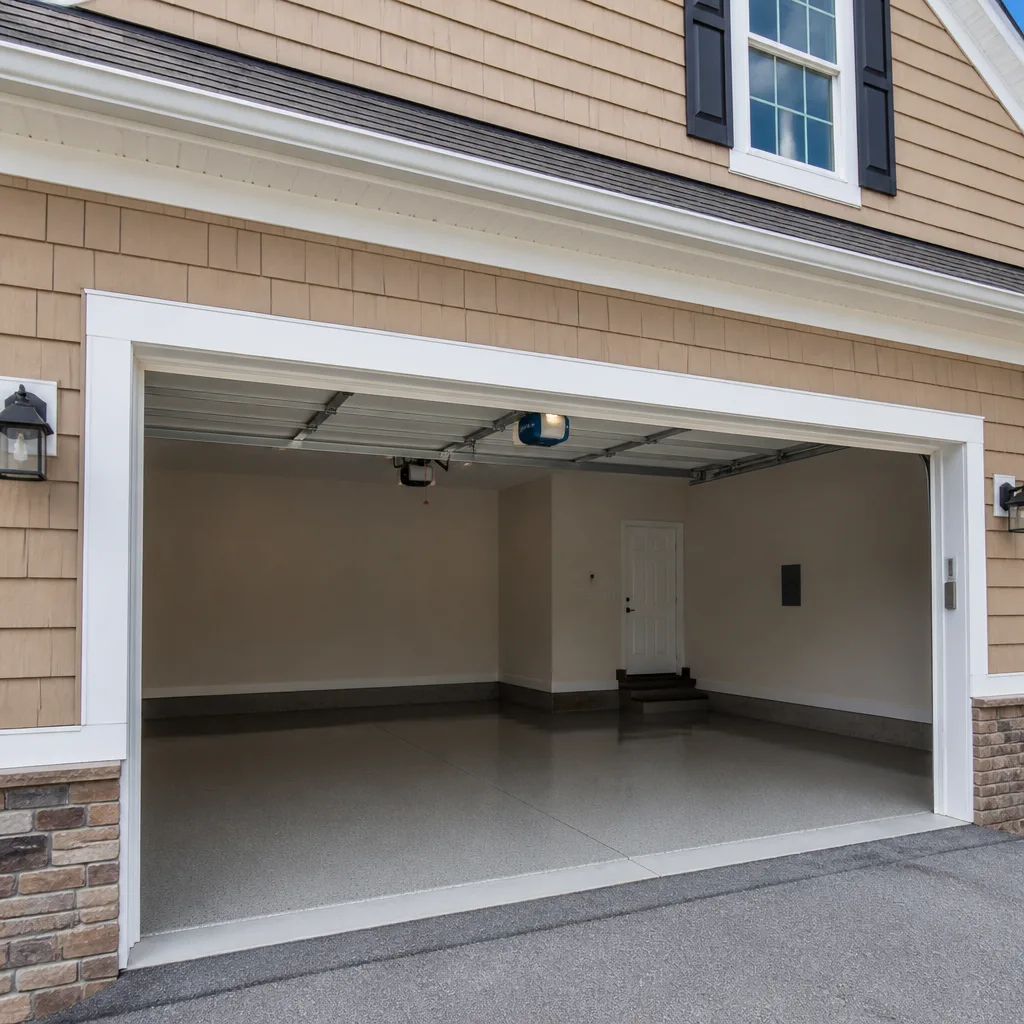 Chamberlain openers
Full 25-point door and opener safety check with every visit - springs, cables, rollers, tracks, and your LiftMaster or Chamberlain opener included
You get a price before we start. It does not change when the pro arrives.
Get your free estimateDIY vs Professional Garage Door: The Daly City Homeowner’s Decision Guide
Garage door springs store enough tension to cause serious injury. That’s reason enough to keep most spring work out of a homeowner’s hands. But there’s a second reason that gets talked about far less: a replacement spring that’s been miscalibrated does quiet, relentless damage to the rest of the system. It overworks the opener motor. It lets cables go slack and start to jump their drums. Within weeks, a job that looked like a small savings turns into a full repair of parts that were fine before. This guide walks through which garage door tasks in Daly City are genuinely worth doing yourself and which ones carry a risk that doesn’t match the money saved.
Quick Answer
In Daly City, cosmetic and maintenance work on a garage door is safe and cost-effective to do yourself: lubricating the hardware, washing and repainting steel panels, clearing the safety sensor eyes, and swapping a remote battery. Spring, cable, drum, track, and opener-motor work is not a good DIY project, because a small error there damages expensive components or causes injury. California law also requires permitted structural and electrical work to be done by a licensed contractor, no matter how handy you are.
Styles & brands we work with
- Raised-panel steel
- Carriage house
- Modern flush
- Full-view glass
- LiftMaster openers
- Chamberlain openers
Table of Contents
- The DIY vs. professional decision matrix
- Why spring and cable work carries asymmetric risk
- What spring work actually requires (and why a video isn’t enough)
- Daly City permits and California licensing: where DIY stops
- The real cost comparison, including hidden DIY costs
- Three garage door projects that are perfect for a Daly City homeowner
- Opener repair: the gray zone between DIY and professional
- Common mistakes to avoid
The DIY vs. Professional Decision Matrix
The useful question isn’t “how skilled am I?” It’s “if I get this wrong, what’s the worst outcome?” Some garage door jobs fail small. You waste an evening, you buy the wrong hinge, you try again. Others fail large: a broken window, a bent door section, a damaged opener, or a hospital visit. Sorting tasks by that criterion gives you a clear map of what’s worth doing yourself.
Safe to do yourself
- Lubricating hinges, rollers, and the torsion or extension springs with a garage-door-rated lubricant.
- Washing, sanding, and repainting steel door panels.
- Wiping down and realigning the photo-eye safety sensors at the bottom of the tracks.
- Replacing a remote control or keypad battery, and re-pairing a remote to the opener.
- Tightening visible hinge and bracket bolts (never the cable or spring hardware).
- Clearing debris from the door’s travel path and from the bottom weather seal channel.
Borderline: possible with caution
- Replacing the bottom weather seal on a door you can fully open by hand.
- Adjusting the opener’s travel limits using the manual for your model.
- Replacing a light bulb or battery backup in the opener housing, with the circuit breaker off.
Not a DIY job
- Any work on torsion springs or extension springs, including “just” winding one up.
- Cable replacement, cable re-spooling, or work on the cable drums.
- Track replacement or realigning a track that has been bent by an impact.
- Replacing opener drive gears, the motor, or the logic board.
- Replacing an entire door or installing a new opener with new wiring.
That last category is where most of the money and nearly all of the danger sit. If your job falls there, it’s worth reading up on how a specialist approaches it before you decide. If you’d rather have someone experienced look at it, you can see how garage door repair in Daly City is handled by a dedicated specialist, and our technicians have up to 12 years of experience with the systems most common in this area.
Why Spring and Cable Work Carries Asymmetric Risk
A torsion spring on a standard residential door is wound under significant stored tension. That tension is what makes the door feel light enough to lift with one hand. It’s also the reason an improperly released spring can cause serious injury in a fraction of a second. No amount of care changes that physics.
Here’s the part homeowners underestimate: even a spring that’s replaced without injury, but wound to the wrong tension, causes damage you won’t see for days or weeks.
- The opener overworks. An under-tensioned spring means the motor lifts most of the door’s weight. It runs hot, the gears wear faster, and the whole unit can fail months earlier than it should.
- Cables lose proper tension. Slack cable can jump its drum, bind, and snap. A cable failure often damages the door section it runs past.
- The door balances poorly. A door that drifts down when half-open or slams shut is telling you the balance is wrong. It’s also a hazard for anyone standing underneath.
- Drums wear unevenly. A miscalibrated spring changes how the cable winds, which puts uneven load on the drums and the center bearing plate.
For a homeowner in Daly City, that’s the core argument. The savings from a DIY spring swap can disappear several times over in the parts it takes down with it. Similar logic applies to cables and drums, which is why we treat spring, cable, and drum replacement as one integrated job rather than three separate fixes.
What Spring Work Actually Requires (and Why a Video Isn’t Enough)
There’s a gap between watching a tutorial and being genuinely prepared for spring work. The videos show you the shape of the job. They don’t give you the feel of a torsion spring under load, the way a winding bar should seat in the cone, or the instinct to stop when the door starts to bind on one side.
Here’s what a proper spring job actually involves on a typical door:
- Correctly matched springs. Torsion springs are sized by wire gauge, inside diameter, and length. A “close enough” match changes the balance and loads the opener differently.
- Two proper winding bars of the correct diameter, seated fully into the cone for every turn.
- A firm understanding of which way the spring winds and how the set screws lock the cones.
- Knowledge of the door’s actual weight and the correct tension for it, which isn’t always the tension you’ll find printed on a label.
- Safe handling of the cables and drums while the spring is off, since that’s when cable tension is most unpredictable.
- The ability to re-check balance and travel limits after installation so the opener isn’t fighting an unbalanced door.
That’s a lot of moving parts to acquire from a phone screen. In our experience, the jobs that come back to us after a DIY attempt usually fail in the tension-checking step, not the spring-removal step. Somebody gets the spring off safely, gets a new one on, and then guesses at the winding. That guess is what starts the slow damage described above.
Daly City Permits and California Licensing: Where DIY Stops
California is stricter than many homeowners expect on what unlicensed work is allowed, even on your own property. The short version: you can do maintenance, minor repairs, and cosmetic work yourself. You generally cannot perform structural alteration or electrical work that would normally require a permit or a licensed trade. When you’re not sure, call the Daly City Building Division and ask before you start.
Jobs that typically fall on the DIY side
- Lubrication, cleaning, and painting.
- Sensor alignment and remote battery changes.
- Replacing a weather seal or bottom seal on a door you can safely control.
- Minor hardware tightening on non-loaded parts.
Jobs where a permit or licensed contractor usually comes into play
- Door replacement that affects the structure of the opening or the wall above it. This is a common point in Daly City, where many homes have attached garages in tightly built residential blocks.
- Electrical work to add a new circuit for an opener, or any wiring change inside a wall.
- Structural work to headers, jambs, or framing around the opening.
- Any work that would need an inspection to close out a permit.
There’s a second, quieter cost to getting this wrong. Unpermitted work can complicate a sale or a refinance, and it can create insurance questions if something goes wrong later. If a project touches structure or wiring, the honest answer is that it needs to be done through the proper channel, and no amount of homeowner skill changes that. For anyone in Daly City, we suggest a simple rule: ask the Building Division first, hire licensed help second, and only do the job yourself if the answer from the city was clearly yes.
The Real Cost Comparison, Including Hidden DIY Costs
A DIY repair looks cheaper because you’re only counting the part. The hidden costs usually live in the “what if” column, and on garage doors that column is expensive.
Where DIY costs quietly climb
- Wrong parts ordered. Torsion springs are sized by three measurements, and one wrong number means a part that won’t work. Many online sellers won’t take springs back.
- Shipping delays. A door you can’t close creates its own costs, from a car stuck outside to a security concern that keeps you watching the driveway.
- The second attempt. Buying the right part the second time adds up fast, and so does the time spent waiting on it.
- Damage to the opener. A door running out of balance is the most common cause of premature opener wear. An opener repair you wouldn’t have needed is the true cost of a DIY spring.
- The service call you make anyway. If a DIY attempt fails partway, you’re paying a professional to fix what you started, which is rarely a smaller job than starting fresh.
- Non-recoverable hours. Weekends spent researching, ordering, re-ordering, and retrying are real time, even if they don’t show up on a receipt.
What professional work buys you
A specialist arrives with the correct parts sized to your door, the winding bars and experience, and a single visit that leaves the door balanced and the opener protected. You also get a proper diagnosis of what else needs attention. Springs, cables, rollers, and the opener rarely fail in isolation, and someone who works this system every day sees the second problem before it becomes a separate repair.
We don’t quote a price over the phone, because the number depends on the door and the parts. We do set the price in a written estimate before any work begins, and that written estimate is the final number. If you’re weighing the DIY route, get that estimate first so you’re comparing real options with real numbers.
Three Garage Door Projects That Are Perfect for a Daly City Homeowner
Not every task needs a professional. These three save real money and carry no meaningful safety tradeoff. They also make the professional jobs last longer when you eventually need one.
1. A full lubrication pass
A garage door has more moving joints than most homeowners realize, and dry metal-on-metal contact is a leading cause of premature roller and hinge wear. Use a garage-door-rated lubricant, not a general household spray or WD-40. Hit the hinge pivot points, the roller stems, and the torsion spring coils (or extension springs), and give the opener’s drive chain or belt a light coat if it calls for one. This is one of the highest-value tasks on a Daly City garage door, and one we fully support homeowners doing themselves.
2. Repainting or refreshing the door finish
The Bay Area’s climate is mild, which means your door doesn’t face the extremes of snow, salt, or hard freezes. What it does face is fog and seasonal moisture, and that’s enough to strip a weak paint job over time. Sanding, priming, and repainting steel panels is straightforward work with basic tools and no special knowledge required. A properly sealed finish also protects the panel edges where moisture gets in and rust starts.
3. Sensor cleaning and alignment
One of the most common reasons a door refuses to close isn’t a mechanical problem at all. It’s a dirty or knocked sensor. Wipe both lenses on the photo-eye units at the base of the tracks with a soft cloth, and check that the small indicator lights are steady. If one flickers, the sensors aren’t lined up. Nudge the bracket until both are solid, then test the door: place a box in the path and confirm the door reverses. That takes ten minutes and saves you a call for a non-problem.
The same logic applies to opener remotes and keypads. Fresh batteries and a clean re-pair using the manual for your model handle most “it stopped working” complaints on LiftMaster, Chamberlain, Craftsman, and Genie units. When it’s actually the logic board or the drive, that’s a different discussion, which is where garage door opener repair comes in.
Opener Repair: The Gray Zone Between DIY and Professional
Openers tempt homeowners into DIY more than anything else on the system, because they feel electronic rather than mechanical. The truth is more layered. Some opener problems are genuinely simple to handle yourself. Others look simple and aren’t, and treating them as DIY can turn a cheap fix into a full replacement.
Usually fine to handle yourself
- Remote and keypad batteries, and re-pairing a remote or keypad to the opener.
- Cleaning and aligning the safety sensors.
- Adjusting travel limits or force settings using the manual for your exact model.
- Replacing a bulb or a battery backup pack according to the manufacturer’s instructions.
Usually worth bringing in a specialist
- The opener runs but the door doesn’t move, which can be a stripped gear, a broken drive belt, or a decoupled trolley. Different causes, different fixes.
- The door reverses immediately after closing. That can be a sensor, a force setting, or a physical obstruction in the track, and guessing is expensive.
- Smart-home or Wi-Fi connectivity that won’t hold a connection. App pairing, hub conflicts, and router settings sit outside most manuals.
- Grinding or clicking from the motor housing.
- Any opener that has run hot because the door was out of balance. There’s often hidden wear inside.
The key to opener work is treating the opener as a system: motor, drive, sensors, and connectivity all interplay. When we look at an opener problem, we separate those categories before suggesting a fix, because replacing an entire opener over a $12 sensor or a slipped trolley is the wrong answer. We’re factory-familiar with the major brands including LiftMaster, Chamberlain, Genie, Craftsman, and Wayne Dalton, so the diagnosis tends to move quickly. If your door also has physical issues, the two repairs usually get handled together, which is one of the reasons a single call makes sense.
Common Mistakes to Avoid
These come up often enough in Daly City that they’re worth listing. Each one costs more than it saves.
- Buying generic springs without measuring. “Fits most doors” rarely fits yours. Order by wire gauge, inside diameter, and length, measured on your actual spring, or don’t order it at all.
- Replacing one torsion spring when both are worn. A pair installed together wears together. Replacing one leaves the other near failure, so you’ll be paying for the same job twice in quick succession.
- Lubricating with the wrong product. WD-40 and general-purpose oils attract dust and gum up over time, and they don’t carry the load a garage door needs. Use a lubricant labeled for garage doors.
- Adjusting an opener’s force setting to compensate for a heavy door. Turning up the force masks the real problem while the opener works harder. If the door is heavy, the spring balance is off, and the door needs to be re-balanced, not the opener pushed harder.
- Assuming a clean track means a healthy door. Track alignment and balance matter more than cleanliness. A door that closes on a dirty track but balances poorly is still a problem.
- Doing permitted structural or wiring work without a permit. A Daly City project that needs a permit can become a real headache at sale or refinance. Ask the Building Division first.
- Trying to “reset” a torsion spring that came loose. There’s no safe reset. Once a spring loses tension it needs to be replaced, not nursed back.
See the difference
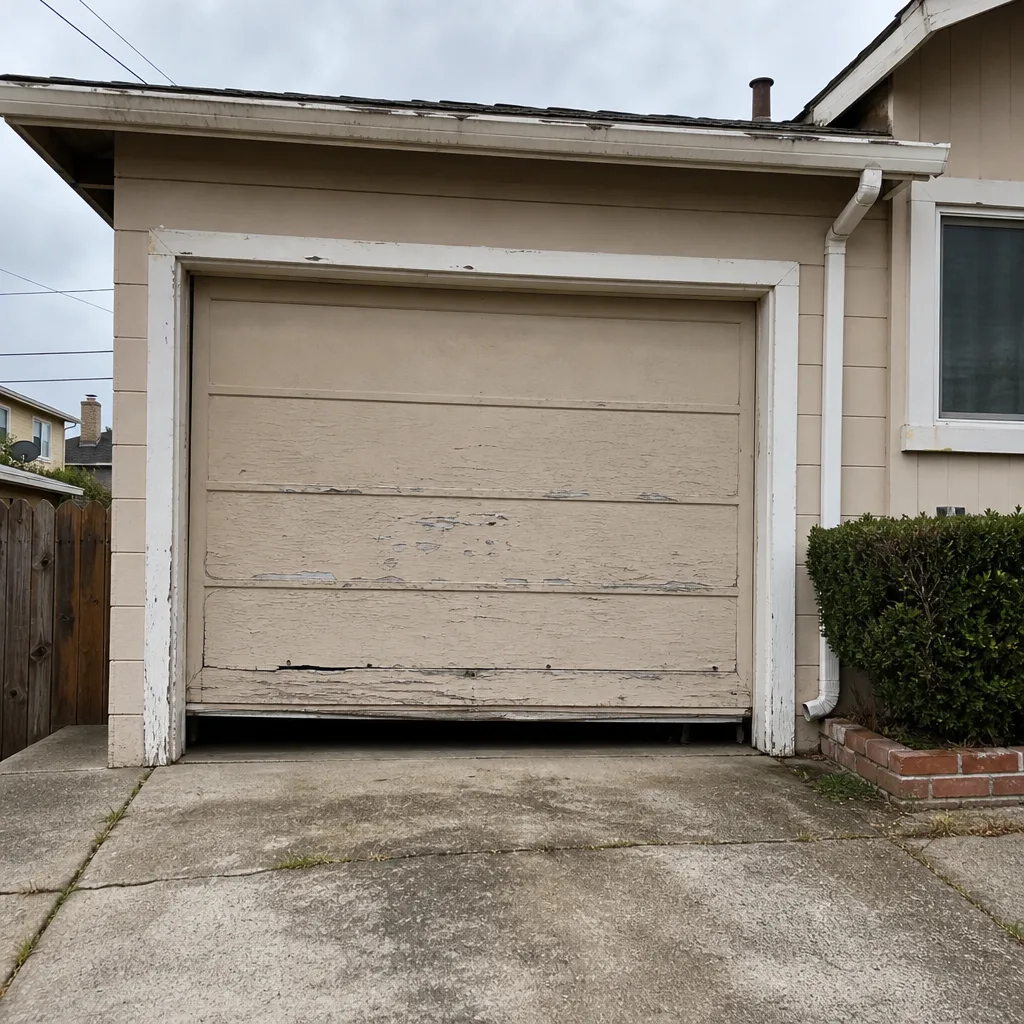 Before
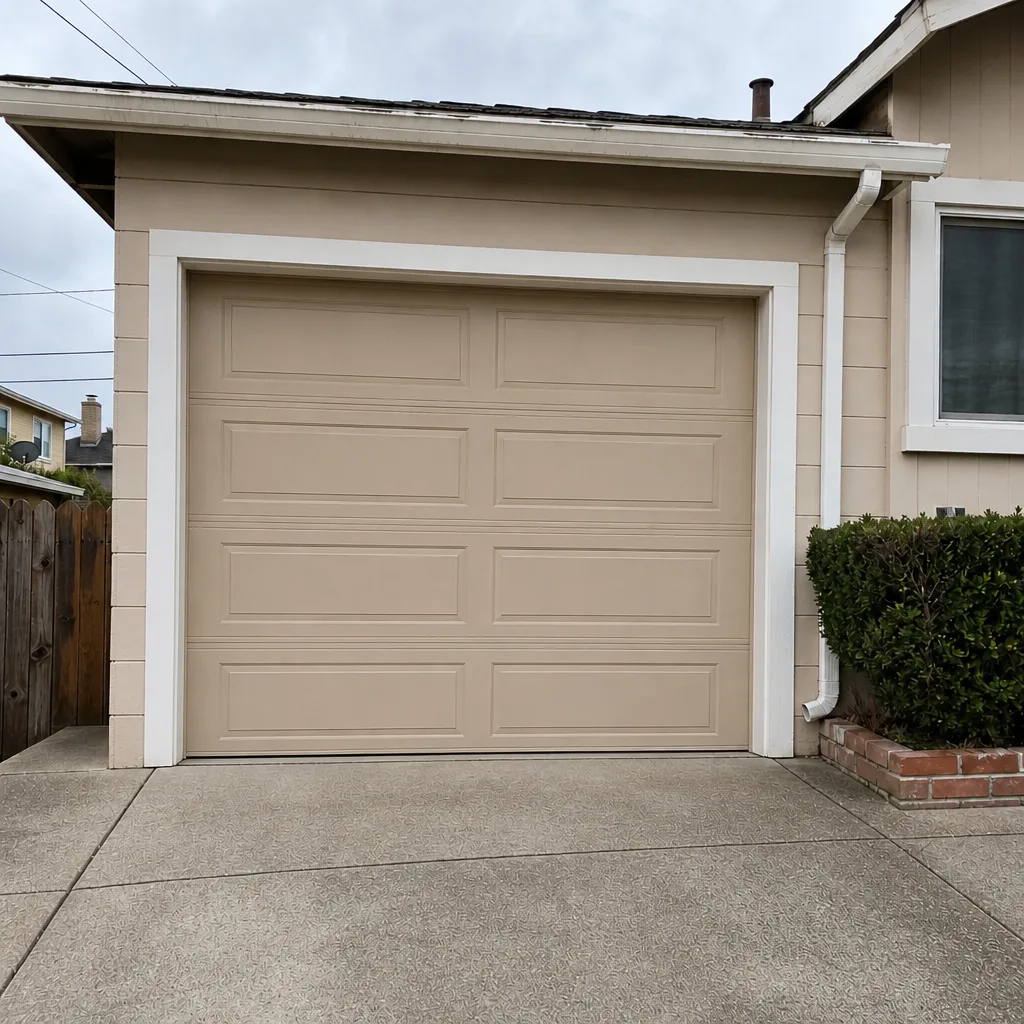 After
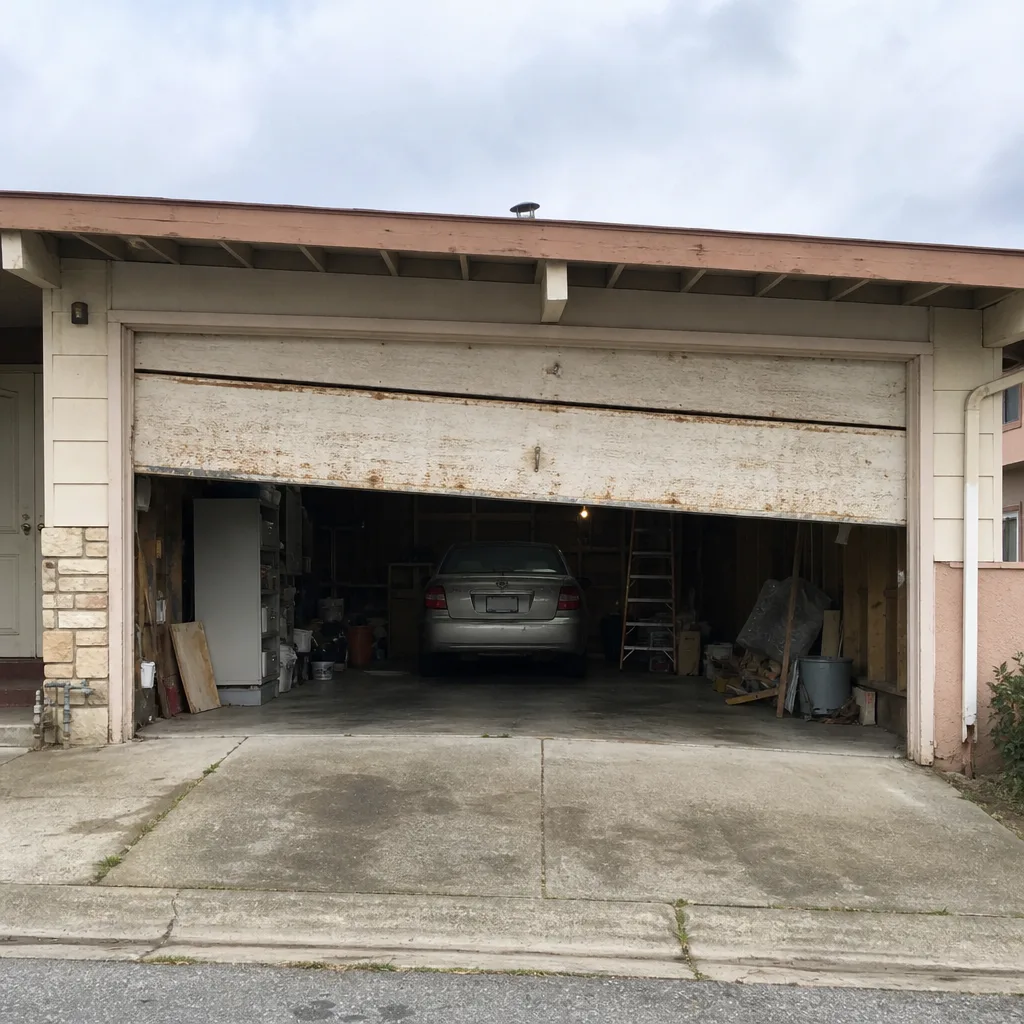 Before
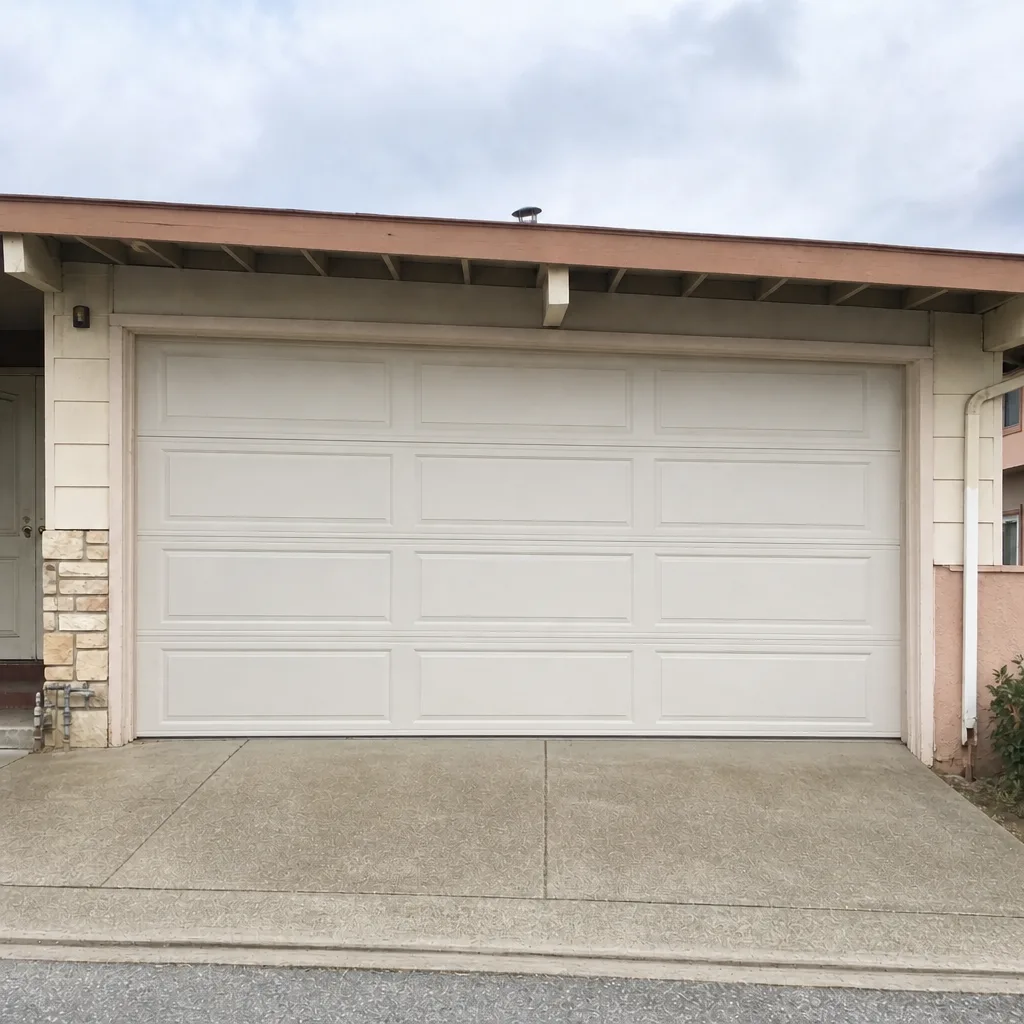 After
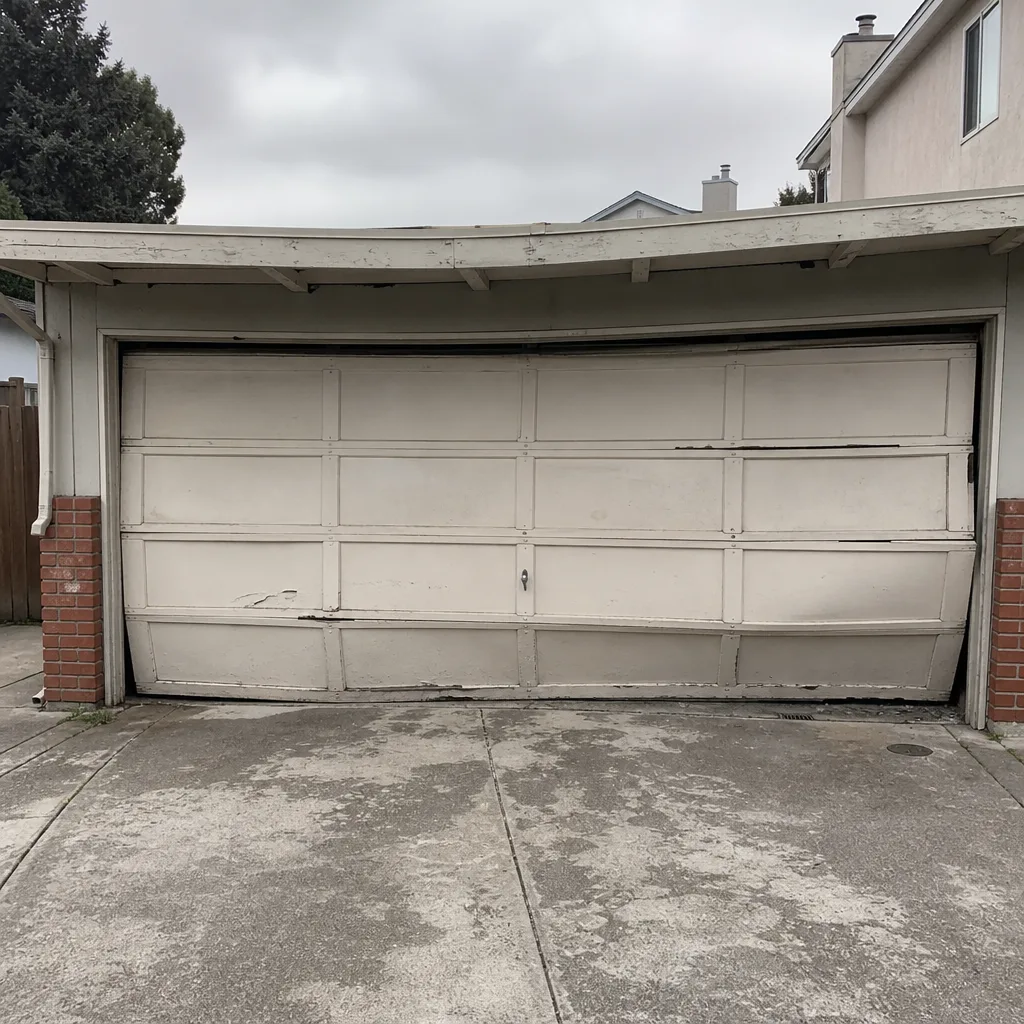 Before
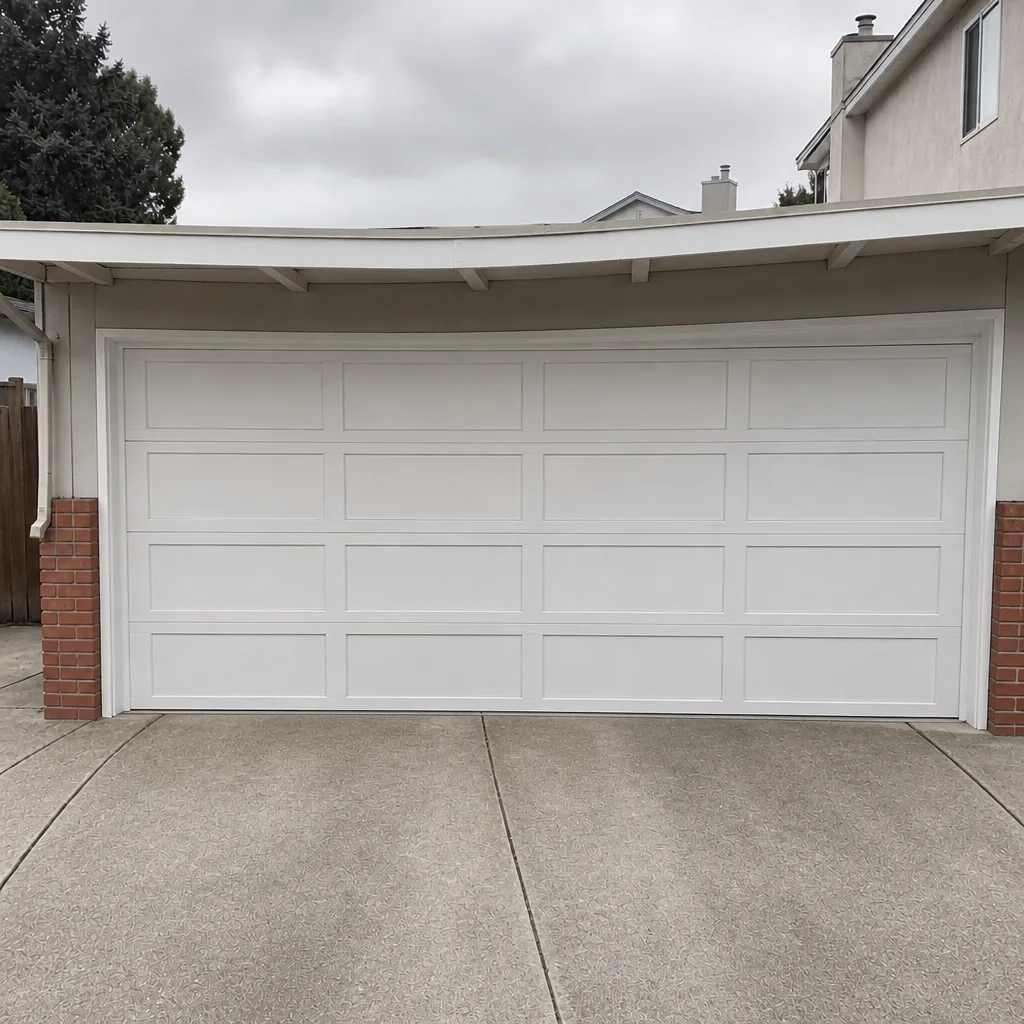 After
When to Call a Professional
The line is clearer than most homeowners expect. Call a professional when the work involves a loaded spring, a cable under tension, the drums, a bent track, the opener’s internal drive or motor, or a repair that may need a permit. That covers most of what actually goes wrong with a garage door. Also call if you’ve already tried a DIY fix and the door still doesn’t work right, since a partial repair left half-finished is usually a bigger job than the original problem.
The one category where speed matters most is a door that won’t close or is stuck open. That’s a security problem as much as a mechanical one. Our team at Regent Garage Door Repair handles these as same-day calls where possible. We answer 24/7, and fast dispatch runs from 7am to 7pm, Sunday through Friday. We’re closed Saturday. Free estimates are available throughout Daly City. Call (866) 812-8584.
Frequently Asked Questions
No, we don’t recommend it. Torsion and extension springs are under extreme tension, and a miscalibrated replacement loads the opener, cables, and drums in ways that cause damage within weeks. It’s a job for a trained professional, and the cost of a spring replacement is usually less than the damage a DIY attempt causes downstream. Call (866) 812-8584 for an exact quote. Estimates are free.
Replacing a door that affects the structure of the opening, or doing any wiring work for a new opener, typically requires a permit through the Daly City Building Division. Cosmetic work and maintenance generally do not. When in doubt, call the city and ask before you order materials or start work.
No. We quote a written estimate before any work starts, and that written estimate is the price. If we find an additional issue during the repair, we tell you and get agreement before continuing. Nothing gets added to the bill without your approval. Call (866) 812-8584 for a free estimate.
Yes. We work with licensed and insured professionals, and the work is done by specialists who focus on garage doors exclusively. Our technicians have up to 12 years of experience, and they know the major brands including LiftMaster, Chamberlain, Genie, Craftsman, Wayne Dalton, and Raynor. Call (866) 812-8584 for an exact quote.
Yes, in many cases we can. A door that won’t close is treated as a priority because it’s a security concern as well as a mechanical one. We answer 24/7, and fast dispatch runs from 7am to 7pm, Sunday through Friday. We’re closed Saturday. Call (866) 812-8584 for the fastest response.
We understand the appeal, but it usually doesn’t work out. Springs have to be matched to your door’s weight by wire gauge, inside diameter, and length, and an incorrect part can cause the same balance problems as a DIY install. It’s better to have the correct part sized and installed together by the same visit. Call (866) 812-8584 to schedule.
The Bottom Line
Garage door DIY works well for maintenance and cosmetic work. Lubricating, painting, cleaning sensors, and swapping batteries are all genuinely worth doing yourself, and they save real money. The rest of the door is a different story. Springs, cables, drums, tracks, and openers fail asymmetrically: small errors there cost much more than they appear to. Add Daly City’s permit and licensing rules on top, and the picture is clear. Handle the maintenance jobs yourself. Bring in a specialist for anything under tension, anything electrical, or anything structural. If you’re not sure which side a job falls on, that’s the point to call.
Regent Garage Door Repair offers free estimates across Daly City and the surrounding area. If you’re not sure whether your door’s issue is a DIY job or something more serious, we’re glad to take a look and give you a straight answer. Call (866) 812-8584 for a free estimate. We answer 24/7. Fast dispatch from 7am to 7pm, Sunday through Friday. We’re closed Saturday.
Written by the team at Regent Garage Door Repair.