
Last updated November 16, 2026
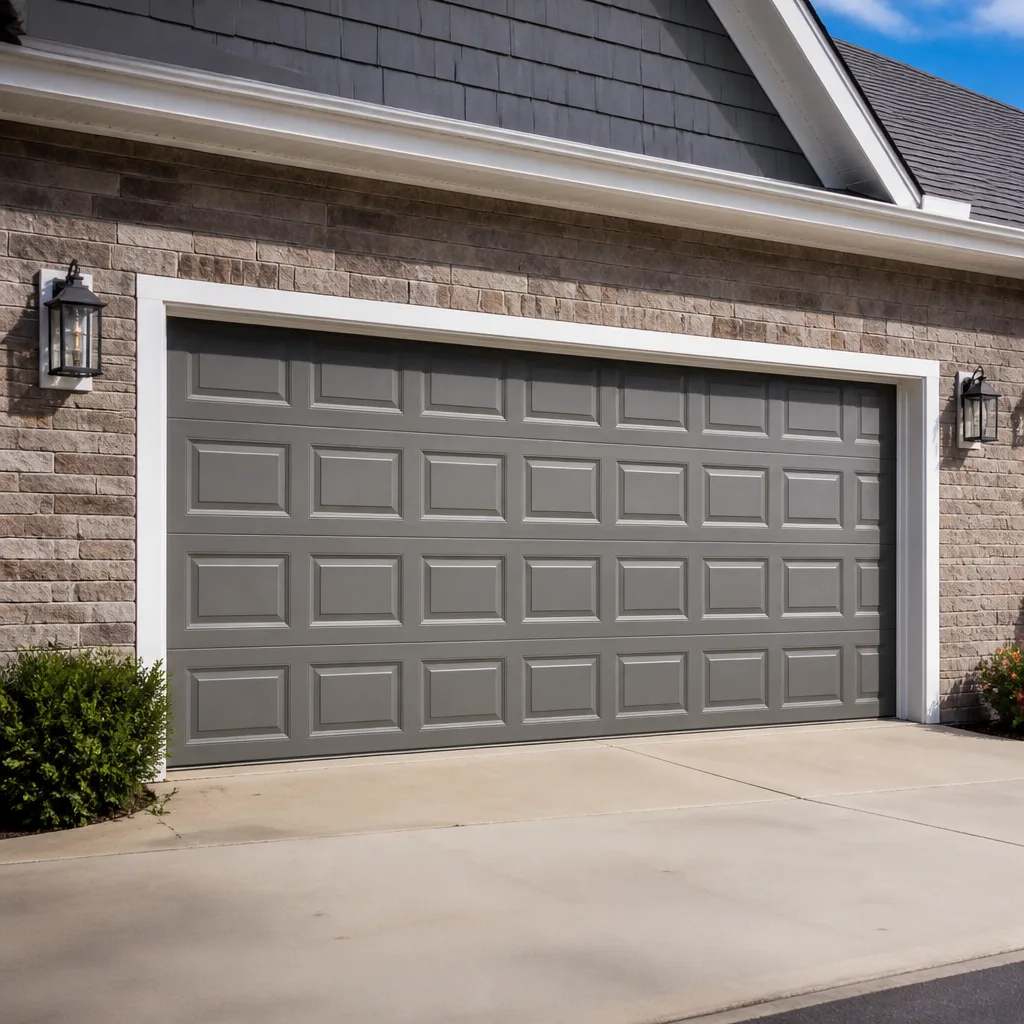 Raised-panel steel
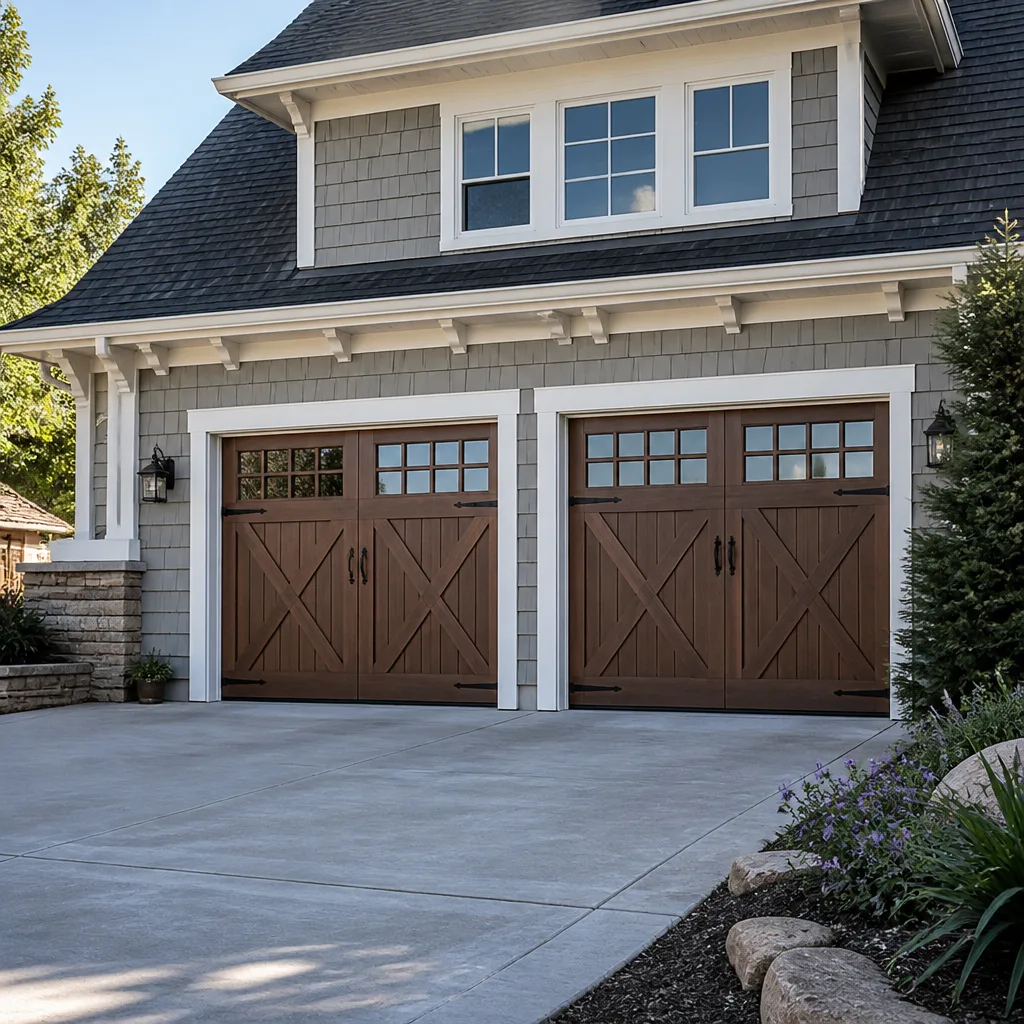 Carriage house
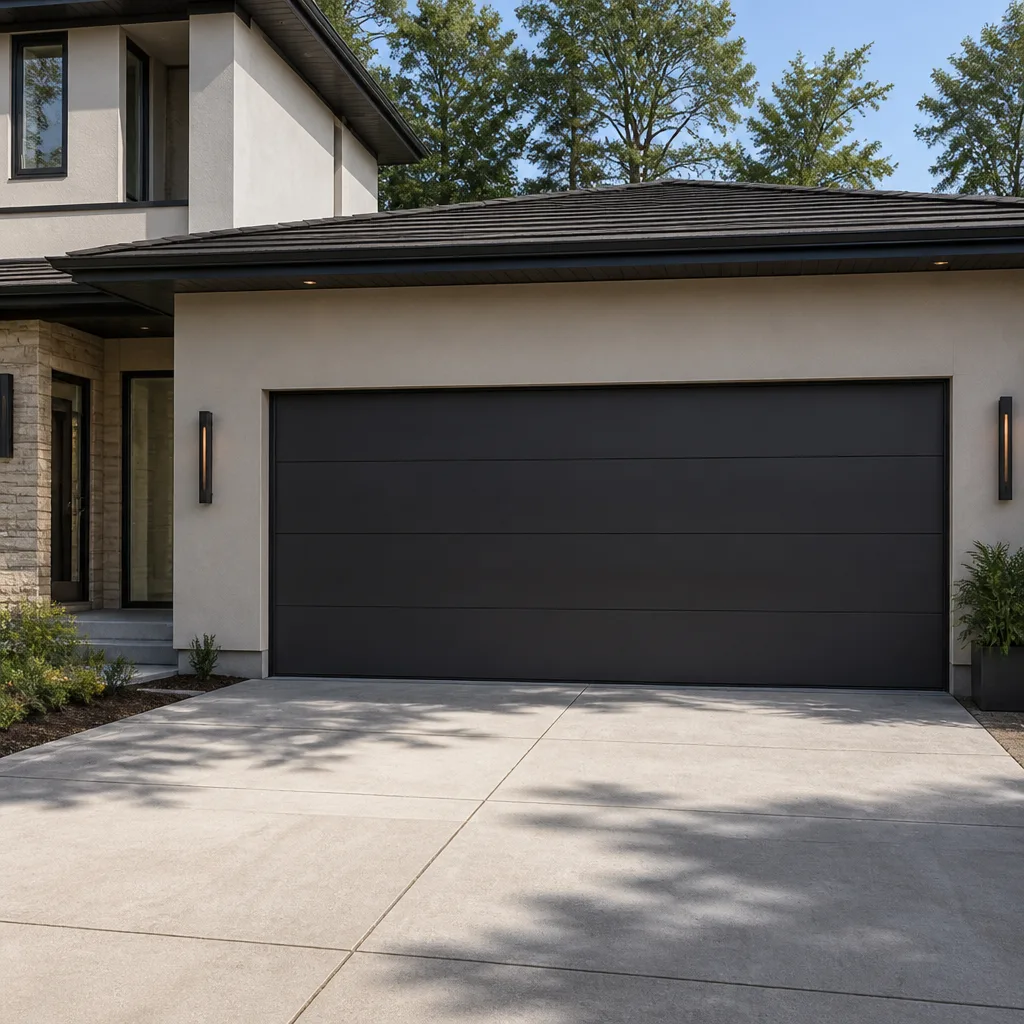 Modern flush
 Full-view glass
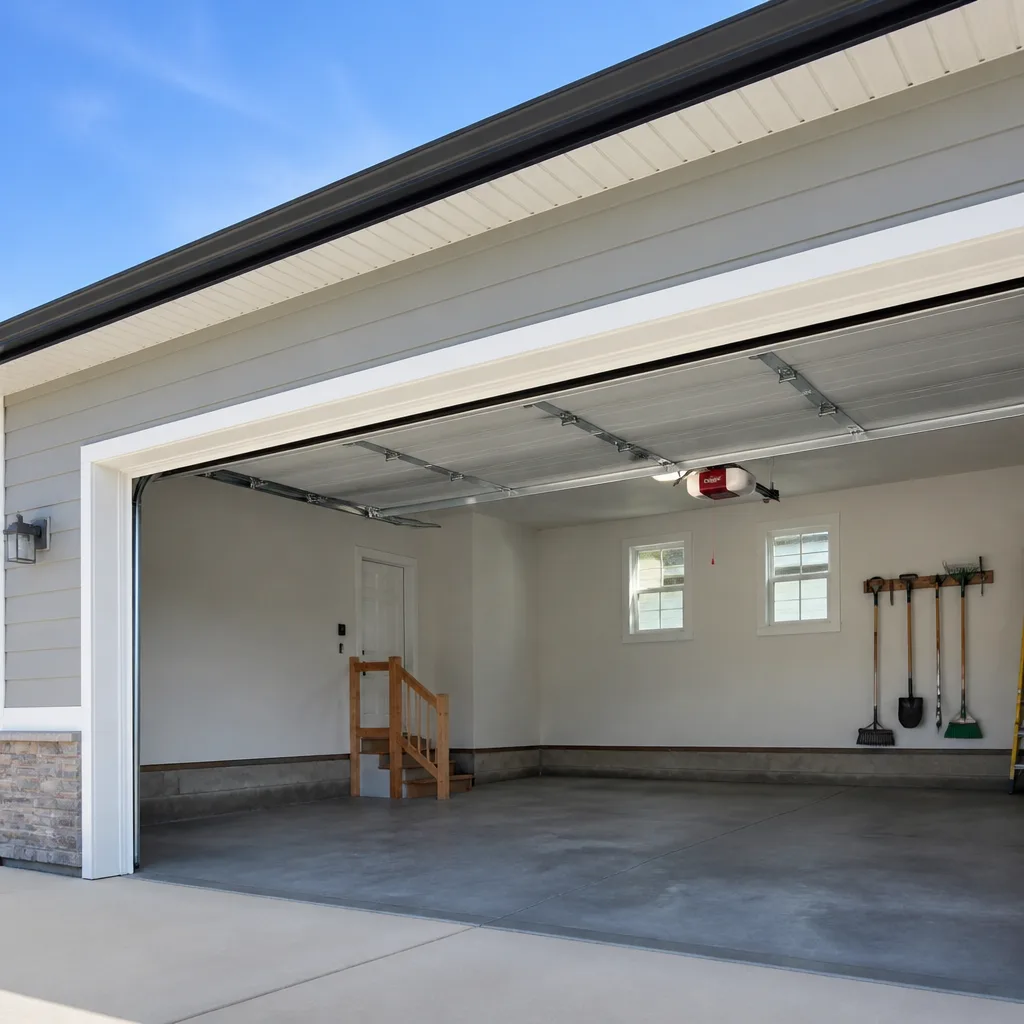 LiftMaster openers
 Chamberlain openers
Full 25-point door and opener safety check with every visit - springs, cables, rollers, tracks, and your LiftMaster or Chamberlain opener included
You get a price before we start. It does not change when the pro arrives.
Get your free estimateGarage Door Emergency Preparedness Guide for Daly City Homes
Most garage door advice assumes time is on your side. A spring breaks, you call someone, the door gets fixed. A real emergency doesn’t work that way. When the ground shakes in Daly City – and this stretch of San Mateo County sits in one of California’s highest seismic risk zones – a jammed or off-track garage door stops being an annoyance and becomes a problem: a trapped car, a blocked exit, a house you can’t easily get essentials in or out of. The 30-second skill most homeowners never practice is the manual release. This guide covers how to pull it, what a quake does to springs, tracks, and opener carriages, how to check a door before you touch it, and what to say when you call so the right parts show up on the first visit.
Quick Answer
Garage door emergency preparedness in Daly City means three things: learning your specific opener’s manual release so you can open the door by hand without power, storing a few tools and a light in the garage where you can reach them if the door won’t lift, and knowing how to visually inspect the door for bent tracks, popped cables, or a displaced carriage before you try to operate it after an earthquake. A door that’s visibly damaged should not be opened – call a specialist instead.
Styles & brands we work with
- Raised-panel steel
- Carriage house
- Modern flush
- Full-view glass
- LiftMaster openers
- Chamberlain openers
Table of Contents
- How to Release Your Garage Door by Hand
- Why the Red Cord Doesn’t Work the Same on Every Opener
- What an Earthquake Does to Springs, Tracks, and Carriages
- How to Check a Door for Post-Earthquake Damage Before Opening It
- Storing Emergency Supplies Inside the Garage
- When the Power and the Opener Both Fail
- What to Tell a Technician After an Earthquake
- What to Do the First Hour After a Quake
How to Release Your Garage Door by Hand
The manual release disconnects your door from the opener so you can lift it by hand. It takes about 30 seconds. The trick is that you need to practice it once, before you need it, because the release behaves differently depending on the door’s balance, the opener’s carriage type, and how much weight the door carries on its own.
Here’s the sequence for a standard sectional door with a trolley-style opener, which covers most of what we see in Daly City homes:
- Close the door fully first. Releasing a door that’s partway up can drop it hard – the springs are under tension and the door has mass.
- Locate the release cord. It’s the red-handled rope hanging from the trolley that rides on the rail above the door. If it’s missing or frayed, that’s the first thing to fix.
- Grip the door firmly with one hand, then pull the cord straight down and toward the door until you feel the carriage disengage. You’ll hear a click. This decouples the door from the opener’s drive.
- Lift the door by the handle or a solid bottom section – not the top panel, which flexes on older doors.
- Prop or hold the door in the open position before letting go. A door that’s out of balance will not stay up. Have someone hold it, or block it with a firm prop.
- Re-engage the carriage by pulling the cord again (or running the opener once) so the door reconnects when you’re done.
Two safety notes before you practice: never put your hands anywhere near the torsion spring or the cables that run down each side of the door. Those parts carry extreme tension and can cause serious injury. And if the door feels extremely heavy or won’t stay in position when you lift it, stop. Out-of-balance doors indicate a spring problem that only a trained technician should diagnose.
Why the Red Cord Doesn’t Work the Same on Every Opener
The manual release is a mechanical idea that every opener shares, but the exact behavior differs by brand and generation. We’ve worked with LiftMaster, Chamberlain, Genie, Raynor, Craftsman, Amarr, Wayne Dalton, and Clopay installs long enough to know where homeowners get tripped up – and the problem is almost always that the cord does one thing on a familiar opener and something else on a newer or older unit.
- LiftMaster and Chamberlain units usually have a cord-and-handle release on a trolley that slides along the rail. On some newer models with a MyQ or smart-home bridge, the trolley can be held in a locked position by the opener – so even after you pull the cord, the door may resist. You may need to run the opener once to reset the carriage before the cord releases cleanly.
- Genie openers are common in older homes and often use a similar trolley release, but the carriage geometry differs. On some Genie units, a stuck carriage will not release with the standard downward pull – you have to lift the door slightly while pulling to free the pawl.
- Raynor and legacy Craftsman units often have a jackshaft or side-mount style in retrofit situations where the release is a lever, not a cord. If you don’t recognize the release mechanism, don’t force it.
This is why we recommend a two-minute habit: find your release, identify the brand on the opener housing, and practice once. If the mechanism doesn’t match the standard cord-pull, learn the alternative before an emergency forces the issue. Our garage door opener repair team handles every one of the eight brands we work with, so if you’re unsure what you’re looking at, a quick call can save you guessing in the dark.
What an Earthquake Does to Springs, Tracks, and Carriages
Garage doors are not designed to absorb lateral motion. In a seismic event, the door’s own weight and rigidity work against it, and three components take the stress:
- Torsion springs. Springs are wound to precise tension. A sharp jolt can shift a spring off its center bearing plate, snap a winding cone, or – worst case – break a spring outright. A broken torsion spring makes the door impossible to lift safely by hand.
- Tracks. The vertical and horizontal tracks are thin steel, attached to the framing. When the framing shifts even slightly, the tracks deform. A door that comes out of its tracks looks fine at a glance but binds the moment you try to lift it.
- Opener carriage. The trolley that rides the rail can be knocked off alignment or bent, which means the opener will run but the door won’t move – or the door will move and then crash when the carriage disengages mid-travel.
One more failure you can spot: bent panels. If the door’s steel or wood panels show creasing along a horizontal line, the door has been twisted, and the panels may no longer seat correctly when closed. A door in that condition can look perfectly normal but will not operate reliably, and forcing it risks a sudden drop.
If you live in a Daly City neighborhood with older housing stock – the mid-century homes that make up much of Westlake and Broadmoor – the doors are more likely to be a retrofit or a replacement on an original opening, which means track alignment and spring tension may already be marginal. A pre-quake spring inspection is cheap insurance. See our garage door repair page for what a diagnostic covers.
How to Check a Door for Post-Earthquake Damage Before Opening It
After a quake, do not touch the opener remote. A door that’s been knocked out of alignment can come down hard or leave the tracks entirely, and a door with a broken spring is far heavier than most people expect. Walk up to the door on foot and do a visual check first.
- Look at the door from the outside. Is it sitting level in the opening? A door that’s cocked to one side or sitting uneven has likely jumped its track.
- Check the tracks on both sides. Run your eyes from the floor up to the ceiling. Tracks should be straight and parallel. Any bowing, kink, or track that’s pulled away from the doorframe means do not operate.
- Look at the cable and springs. A snapped cable lies slack along the side of the door. A broken torsion spring is usually visible above the door as a clean break in the coil. If either is present, the door is unsafe to lift.
- Check the opener rail and carriage. Look at the rail that runs from the opener to the door. If the carriage is hanging crooked or the rail is bent, the opener should stay off.
- Look for panel creasing. A door that’s been torqued may show a horizontal crease. That’s a sign the panel structure has failed.
- Test only if all of the above look clean – and test by hand, not with the opener. Grip the door and lift slowly. If it feels heavy or won’t stay up, stop and call.
If any of those checks fails, the door stays shut until a technician sees it. A stuck door is inconvenient. A door that falls while someone is under it is not a repair, it’s a hospital visit. For after-quake assessment, our Regent Garage Door Repair team can be reached on the phone 24/7, and if the door looks damaged, that’s the right time to pick up the phone rather than the handle.
Storing Emergency Supplies Inside the Garage
Here’s the trap: the garage is often where people store their emergency kit – flashlights, water, tools, a first aid kit, the radio. But if the door won’t open, the garage becomes a locked box, and the supplies you need are behind the thing that failed. In a seismic zone, that’s a planning flaw.
What we recommend for Daly City homes:
- Keep a compact “door kit” outside the garage, in a hall closet or near the main entry, containing a flashlight, a folding step stool, and a printed copy of the manual release procedure for your opener. Batteries fail; paper doesn’t.
- If you do store larger supplies in the garage, store them in the section of the garage closest to the interior door, not behind the parked car or near the door opening where a fallen door could block access.
- Secure shelving. A tall shelf that tips in a quake becomes a barrier. Anchor shelves to studs and keep heavy items on lower shelves.
- Mark your release cord with a bright tag or piece of colored tape so you can find it in the dark. If your opener has a battery backup, know where the battery is so you’re not hunting for it when you need it.
- Keep a manual can opener, work gloves, and a pry bar in that same outside-garage kit, because garage doors and garage shelving are exactly the kind of thing that blocks egress after a quake.
This is about turning your garage from a liability into an asset. A garage is a great place to store supplies when the door still opens. It’s the last place you want them when the door doesn’t. The one thing to store outside the garage is anything you’d need in the first ten minutes – the release procedure, a flashlight, and your phone.
When the Power and the Opener Both Fail
Power loss and a failed opener are different problems, and knowing which you have changes what you do. If the power is out across the neighborhood, the opener can’t run, and the manual release is your path to opening the door by hand. If the power is on but the opener won’t respond, the opener itself has a problem – a dead battery backup, a tripped breaker, a logic board, a wall control, or a carriage issue – and the manual release is still your path to getting the door open.
Either way, the sequence is the same: manual release, lift by hand, prop or hold, and re-engage when done. What changes is what you do next. In a power outage, the door stays manual until power returns. That means you should not leave the door partway open – prop it fully or keep it fully closed – because a door without the opener’s hold can settle or come down if a spring is marginal.
If the opener has power but the door won’t respond, and your manual release works fine, the door is not the problem – the opener is. LiftMaster and Chamberlain units have a battery backup option, and Genie and Raynor models vary; a trained technician can tell you which parts your unit needs by the model on the housing. We separate motor issues from drive issues from smart-home connectivity issues, which is exactly the reason opener repair is its own category in our shop. If the door operates by hand but the opener won’t move it, that’s an opener call, not a door call.
What to Tell a Technician After an Earthquake
The most common reason a post-quake garage door repair needs a second visit is a vague call. “My garage door is stuck” doesn’t tell us whether to bring a torsion spring, a set of tracks, a carriage, or new rollers. When you call after a quake, give the technician these four details and the first visit is much more likely to be the only visit:
- The opener brand and model. Look at the housing on the ceiling and read the label. LiftMaster, Chamberlain, Genie, Raynor, Craftsman, Amarr, Wayne Dalton, and Clopay all have different internals, and we work with all eight.
- What the door is doing. Does it move by hand? Does it move with the opener? Does it move partway and then stop? Does the opener run but the door stay put?
- What you see. Bent track? Slack cable? Visible break in the spring? A panel crease? A carriage hanging crooked? Describe the damage in plain words – you don’t need the technical terms.
- Whether the door is fully closed right now. This tells us whether you’re dealing with a security concern or just a broken door.
If you’re calling from one of the hillier neighborhoods where the garage is on a slope and the door faces the street, mention that too – the approach to the door affects how a technician sets up, and it’s worth knowing before the visit.
Call Daly City‘s garage door specialists at (866) 812-8584. We answer 24/7. Fast dispatch from 7am to 7pm, Sunday through Friday. Estimates are free, and the price is quoted and agreed before any work starts, so there’s no surprise on the invoice after a stressful day.
What to Do the First Hour After a Quake
The first hour is about safety and access, not repair. Work in this order:
- Check on people first. The garage door is not the priority – the people in the house are.
- Do not open the garage door if you smell gas. Open a window or the front door, get everyone outside, and call your utility from a neighbor’s phone or from the street.
- Do the visual inspection from the previous section before you touch the opener or the door.
- If the door looks clean, release the carriage and open by hand to clear any vehicles and to make sure the garage is accessible if you need it.
- Leave the door closed and secured if it’s damaged. A boarded door or a manually secured door is safer than a door with a broken spring that could fall.
- Call and describe the damage using the four-point list above, and mention whether you need the door secured as well as repaired.
What you should not do is run the opener to “see if it works.” A door with a bent track or a broken spring can be driven out of its tracks by the opener, and once that happens the repair gets bigger. Visual inspection first – always.
Common Mistakes to Avoid
- Never testing the manual release until you need it. The release is easy once you’ve practiced it, and confusing the first time you try it in the dark with the door jammed. Practice it on a calm afternoon, not after a quake.
- Storing emergency supplies only in the garage. It’s the most common planning mistake we see, and it makes the garage the one room you can’t reach when the door fails. Keep a door kit outside the garage.
- Running the opener after visible damage. If the tracks are bent or the carriage is hanging crooked, the opener can drive the door further out of alignment. Inspect first, then decide.
- Lifting a door that won’t stay up. If a door sags when you let go, the spring balance is off. That’s a spring problem, not a lifting technique problem.
- Assuming the door is fine because it looks fine. A door with a broken spring can look perfect from the outside. Lift it by hand – gently – to confirm.
- Bypassing a bent track with “just enough” pull. A door that comes out of a bent track can fall, and the track damage gets worse. Call for repair instead.
- Ignoring the opener brand when calling. Two minutes reading the housing label saves a technician trip, and it means the right parts come the first time.
See the difference
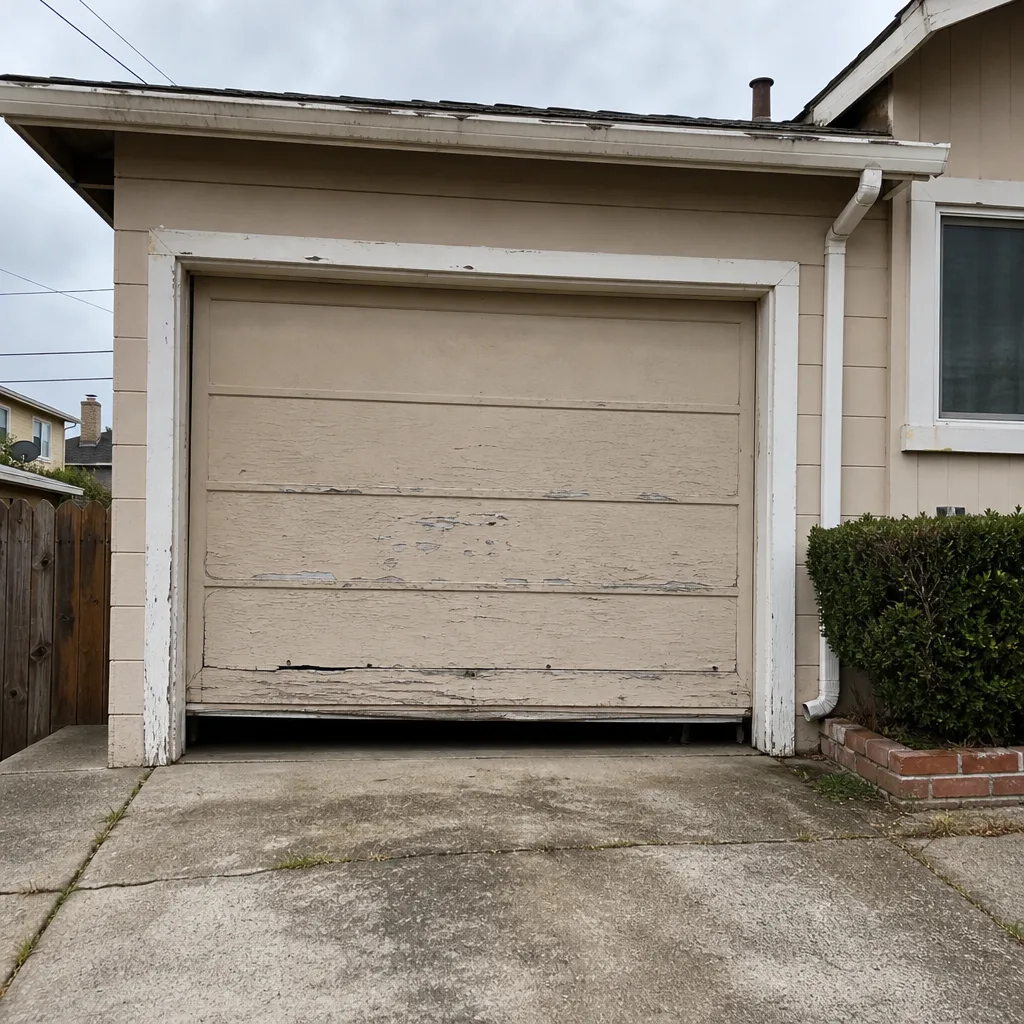 Before
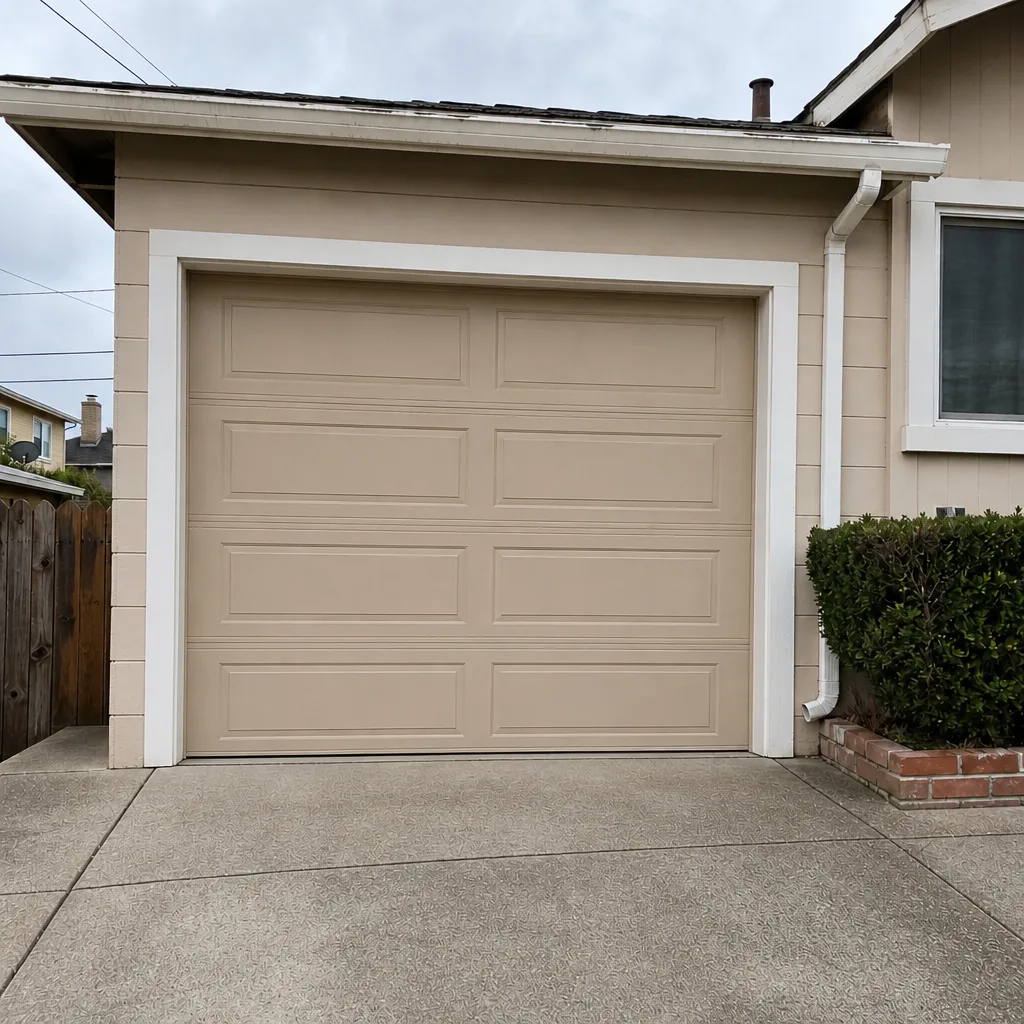 After
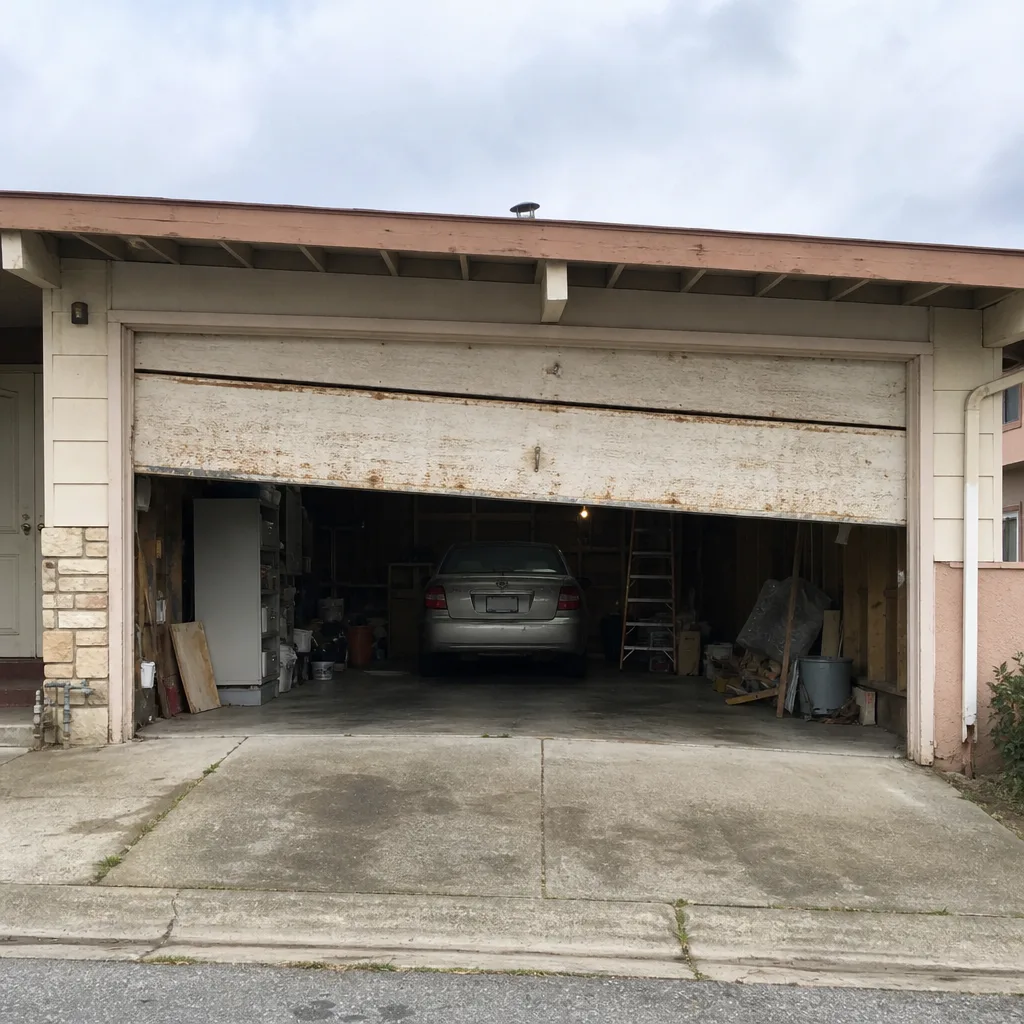 Before
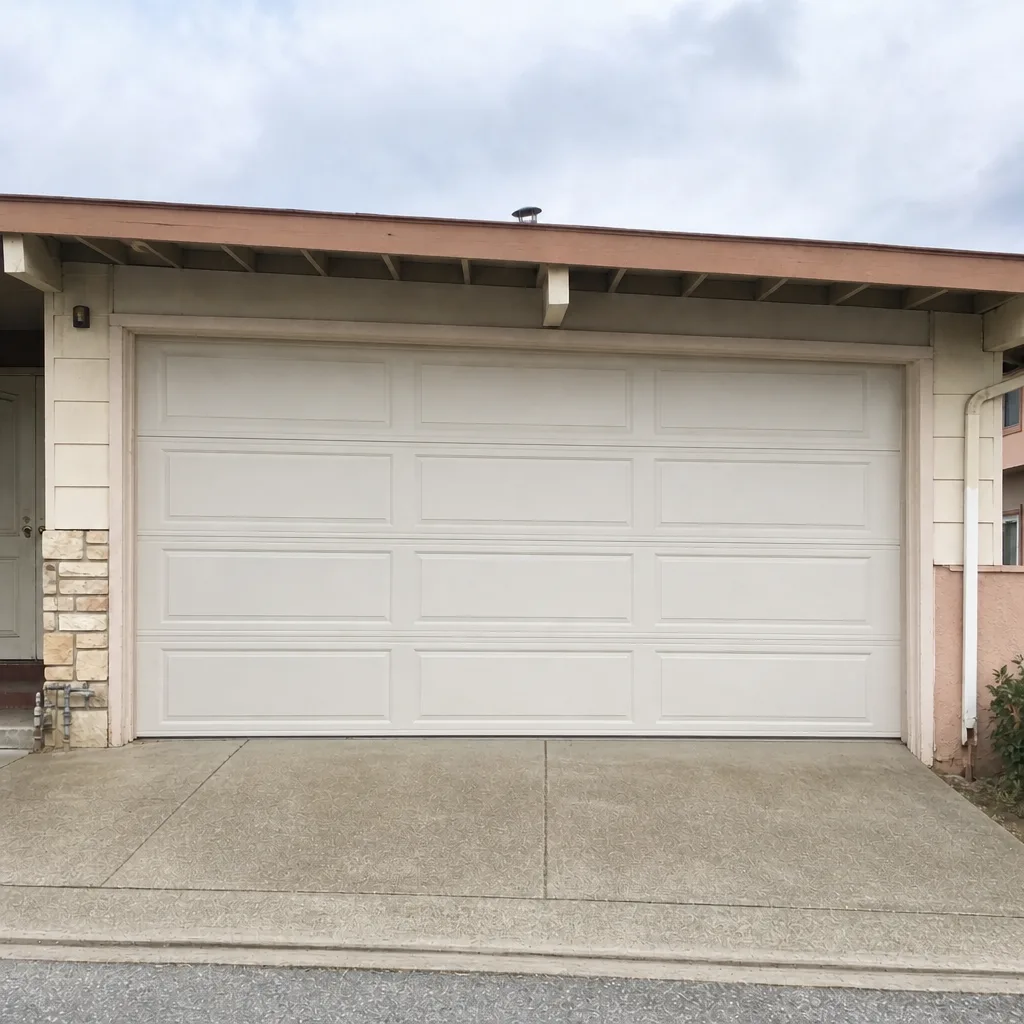 After
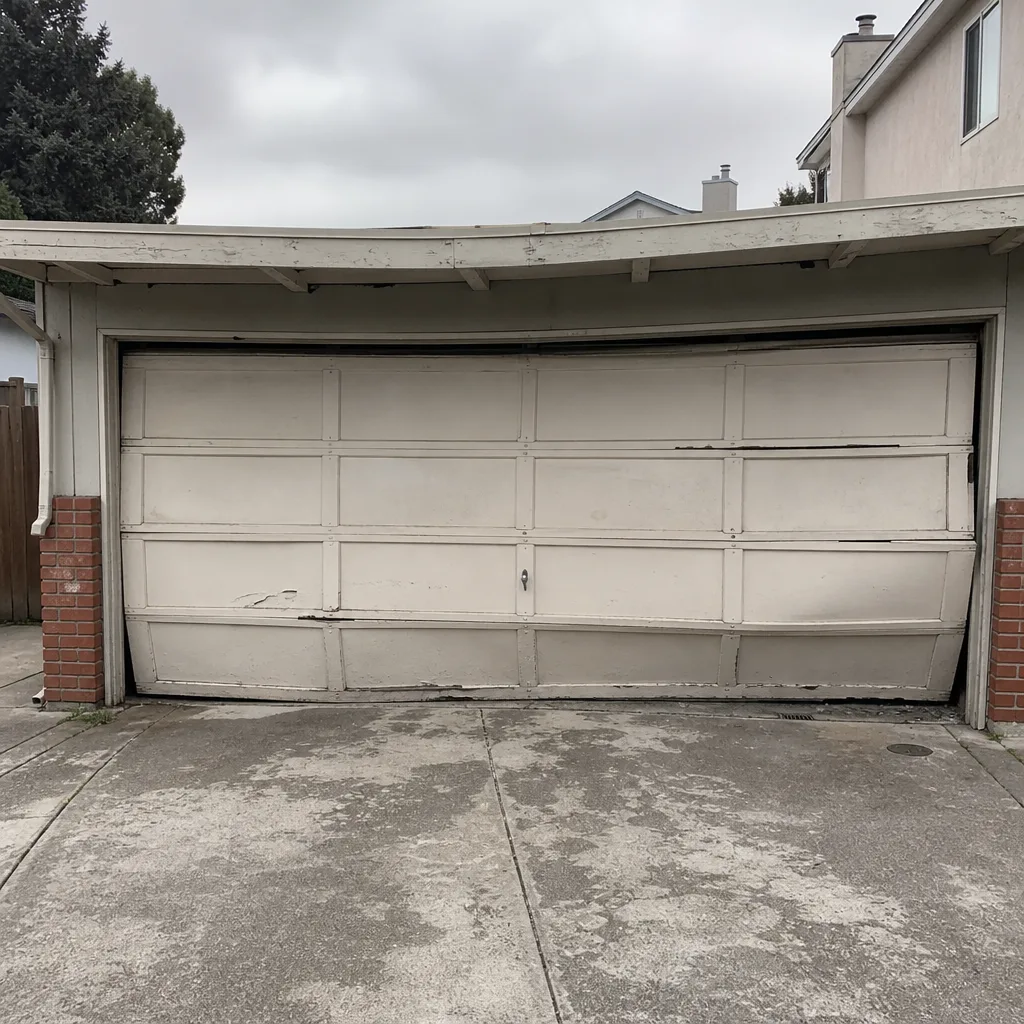 Before
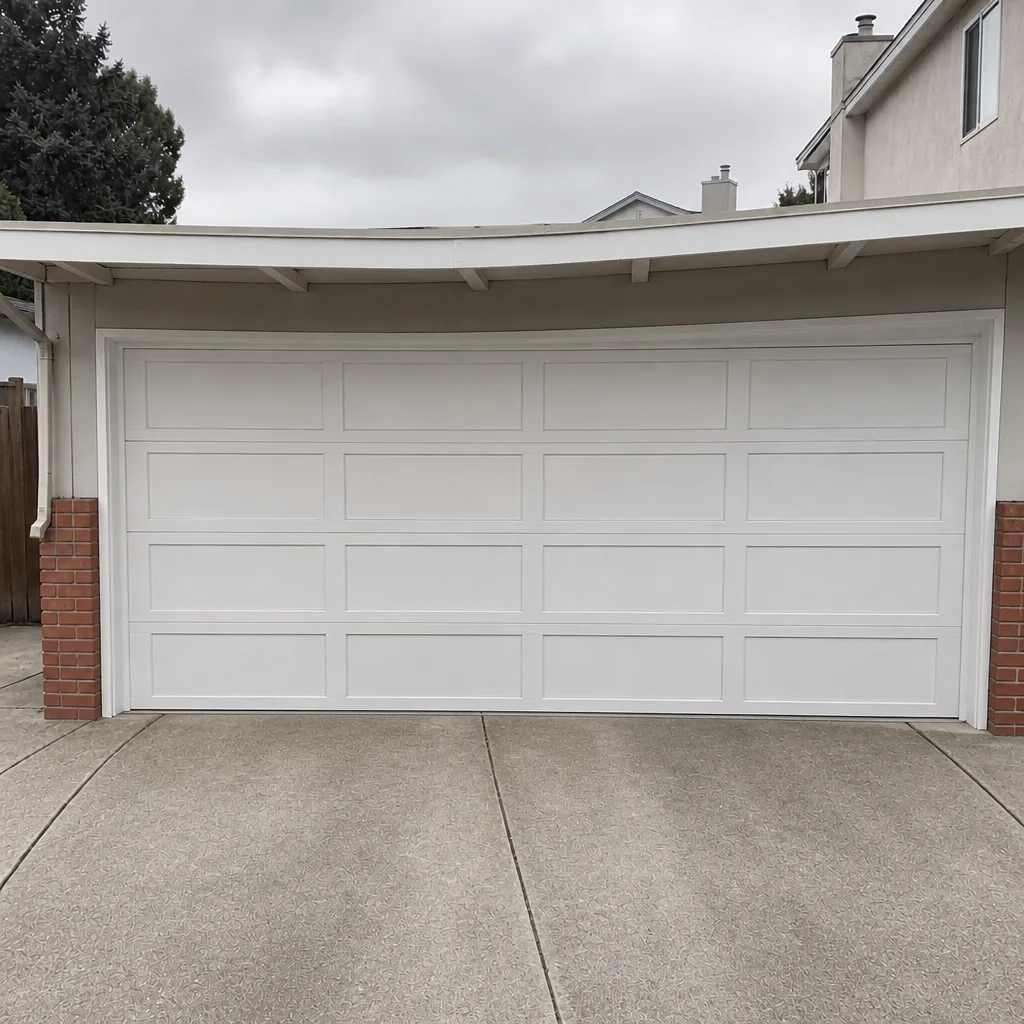 After
When to Call a Professional
Call a professional if any of the following is true: the door won’t lift by hand after a release, the tracks show bowing or separation from the frame, a cable is slack or a spring is visibly broken, the carriage is hanging crooked on the rail, or the door won’t stay up when you lift it. Also call if the damage assessment feels uncertain at all – a ten-minute diagnostic is cheaper than a door that fails completely. Our technicians have up to 12 years of experience and work exclusively on garage doors and openers, including installation when a door is beyond repair. Regent Garage Door Repair offers free estimates in Daly City – call (866) 812-8584. We answer 24/7. Fast dispatch from 7am to 7pm, Sunday through Friday, and closed Saturday – a call made outside dispatch hours is booked into the next opening. For a full replacement after severe damage, see our garage door repair service.
Frequently Asked Questions
Pull the red release cord hanging from the opener’s trolley to disconnect the door from the opener, then lift the door by hand and prop or hold it. This is the same manual release procedure you’d use in any power outage. Practice it once before an emergency so the motion is familiar.
Check four things before you touch the opener: whether the door sits level in the opening, whether the tracks are straight and still attached to the frame, whether a cable is slack or a spring is visibly broken, and whether the opener’s carriage is hanging crooked. If any of those look wrong, don’t operate the door – call a technician.
Any door’s springs are susceptible to a sharp jolt, because they’re wound to precise tension and a lateral shock can shift the bearing plate or snap a winding cone. Older mid-century doors in neighborhoods like Westlake and Broadmoor are more likely to be marginal, so a pre-quake spring inspection is worth doing.
Yes – you can operate it manually until power returns. Just keep the door fully closed or fully open rather than partway, so it can’t settle unexpectedly. Re-engage the carriage after the power comes back so the opener resumes normal operation.
That’s an opener problem, not a door problem. It could be a dead battery backup, a tripped breaker, a carriage that popped off the trolley, or a logic board issue. Your manual release should still let you open the door by hand while you wait for repair.
We answer 24/7 and dispatch from 7am to 7pm, Sunday through Friday, so we can often respond the same day. A call outside dispatch hours is booked into the next opening. Call (866) 812-8584 for an exact quote – estimates are free.
The Bottom Line
Garage door preparedness in Daly City comes down to three habits: know your specific opener’s manual release, store the supplies you’d need in the first ten minutes somewhere other than inside the garage, and inspect the door visually before you ever run the opener after a quake. Preparation takes about 20 minutes. The payoff is a door you can get open by hand when the power is out, and the confidence to know when not to touch it at all. A door that’s visibly out of alignment is a professional’s job, and most of the failures we see after a quake are exactly the ones a quick visual check would catch. Call (866) 812-8584 for a free estimate – we answer 24/7, with fast dispatch from 7am to 7pm, Sunday through Friday. Whether you need a diagnostic, an opener repair, or a full replacement, one call covers the whole system, from the springs on the door to the smart-home bridge on the opener.
Written by the team at Regent Garage Door Repair.