
Last updated November 16, 2026
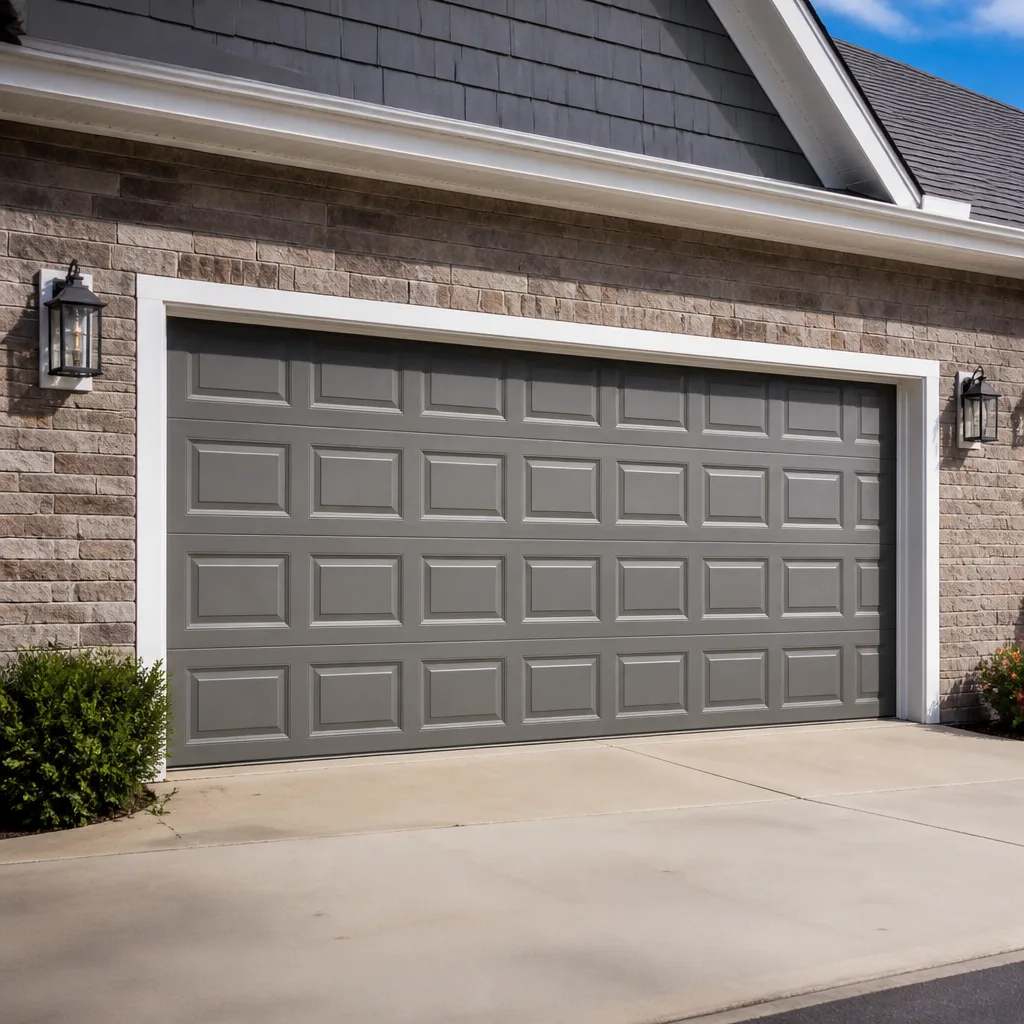 Raised-panel steel
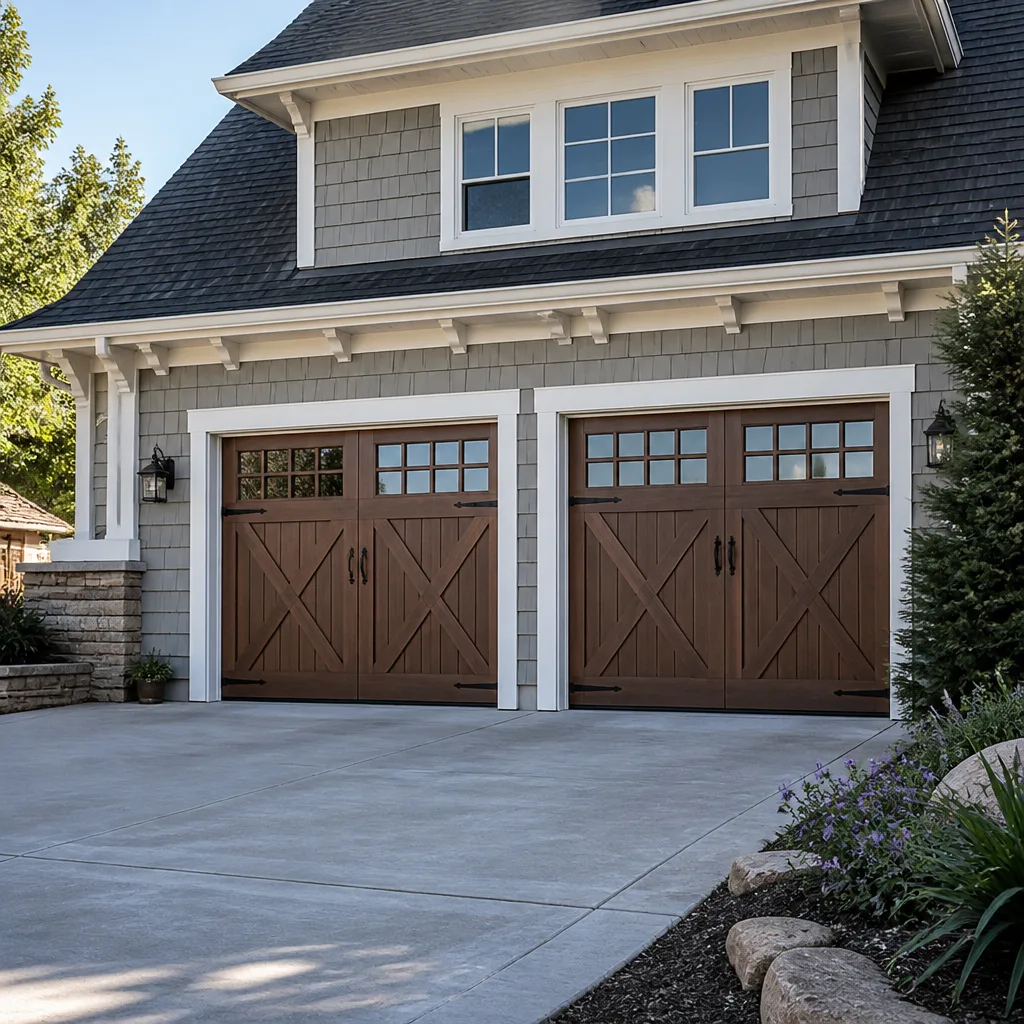 Carriage house
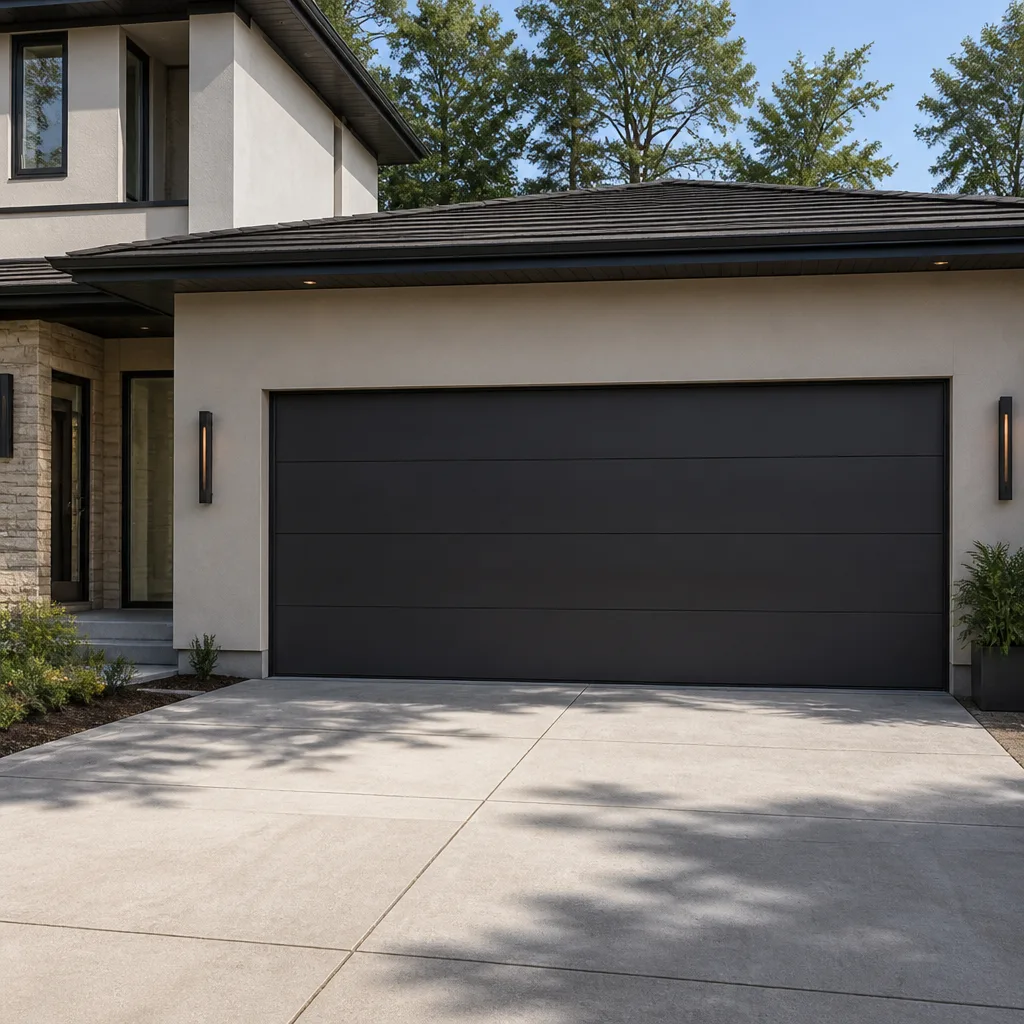 Modern flush
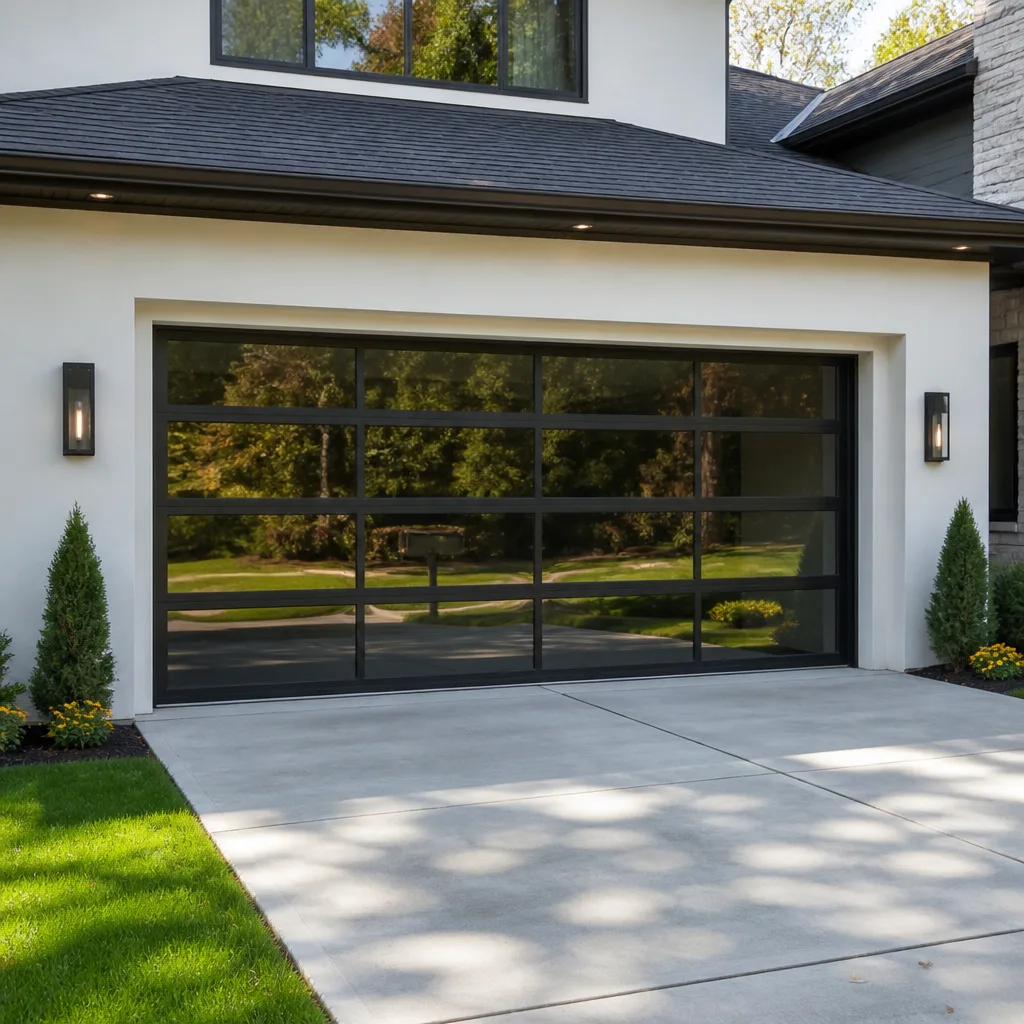 Full-view glass
 LiftMaster openers
 Chamberlain openers
Full 25-point door and opener safety check with every visit - springs, cables, rollers, tracks, and your LiftMaster or Chamberlain opener included
You get a price before we start. It does not change when the pro arrives.
Get your free estimateGarage Door Repair Maintenance Checklist for Daly City Homeowners
The call we get most often from Daly City homeowners is a snapped torsion spring. That’s worth sitting with for a moment, because a spring doesn’t fail out of nowhere. It fails after months or years of metal fatigue, grit buildup, and a lack of lubrication that a short monthly check would have caught early. Yet on nearly every generic garage door maintenance checklist floating around the internet, the spring sits at item nine or ten, tucked below “wipe down the panels” and “check the weather seal.” That ordering is backwards for this climate, and it’s why so many Daly City doors fail earlier than they should. What follows is a checklist built by failure frequency, not alphabet, with the local seasonal timing that actually matters here.
Quick Answer
The highest-value garage door maintenance for a Daly City home is monthly lubrication of the torsion spring, hinges, and rollers, a visual check for rust on cables and hardware, and a twice-yearly balance and safety-reverse test. Prioritize springs, cables, and rollers first, because those are the parts that fail most often in the Bay Area’s damp, mild climate. Panels and paint come last. If you do only three things, lubricate the moving metal, test the safety reverse, and look closely at the cables.
Styles & brands we work with
- Raised-panel steel
- Carriage house
- Modern flush
- Full-view glass
- LiftMaster openers
- Chamberlain openers
Table of Contents
- The Prioritized Checklist: Ranked by Real Failure Frequency
- Lubrication That Holds Up in Daly City Humidity
- Reading Corrosion Before It Costs You a Cable or Spring
- A Month-by-Month Maintenance Calendar for Daly City
- What’s Safe to Do Yourself and What Isn’t
- The Two Safety Tests Every Door Needs
- Opener Care: It’s a System, Not Just a Motor
- Warning Signs That Mean Stop and Call
The Prioritized Checklist: Ranked by Real Failure Frequency
Most checklists are written for a national audience and assume a four-season climate. Daly City doesn’t have one. Our winters are mild and wet, our summers cool and foggy, and the temperature swings that wreck doors in the Midwest or inland valleys never show up here. That changes the failure profile. It also means the tasks that matter most are the ones tied to moisture, metal fatigue, and daily cycle count rather than freeze damage.
Here’s the order we’d actually recommend, based on the service calls we handle across Daly City:
- Torsion spring inspection and lubrication. The single most common failure. A broken spring leaves the door unopenable by hand or motor.
- Cable inspection. Frayed or rusted cables can snap, and a snapped cable on a loaded door is a serious safety event.
- Roller and hinge lubrication. Nylon rollers wear; steel rollers seize. Both stress the opener and the spring.
- Safety-reverse and photo-eye test. A failed reverse is a genuine hazard, especially with children or pets in the garage.
- Balance test. An unbalanced door is heavy, strains the opener, and signals spring trouble ahead.
- Track alignment and debris. Grit in the tracks accelerates roller wear and causes noisy, jerky operation.
- Weather seal and bottom rubber. Important for keeping damp air and pests out, but not a failure risk to the mechanism.
- Panel and paint care. Cosmetic until rust starts, which on older steel doors it eventually does.
- Opener force and travel limits. Adjust these only if you understand them; misadjustment causes real damage.
- Hardware tightening. Loose bolts rattle and eventually work free, but this is the least urgent item on the list.
If you take one thing from this section, let it be the top three. Springs, cables, and rollers account for the majority of calls we handle in Daly City, and all three reward a few minutes of attention each month.
Lubrication That Holds Up in Daly City Humidity
The right lubricant matters more here than in a dry climate, because our air holds moisture most of the year. The wrong product turns into a grit magnet and actually accelerates wear, which is the opposite of what you’re trying to accomplish. In our experience, this is where well-intentioned homeowners do the most harm.
What to use:
- White lithium grease on the torsion spring coils and the bearing plates. It clings, resists washing out, and stays put through damp weather.
- Silicone spray on the rollers and hinges where you want lubrication without attracting dust.
- A dry PTFE or silicone lubricant on the tracks. Yes, tracks: a light dry film helps the rollers glide without collecting the grit that makes them seize.
What to avoid:
- WD-40 in its standard form. It’s a solvent and water displacer, not a long-term lubricant. It strips existing grease and leaves metal drier than before.
- Heavy axle grease or motor oil. It catches every bit of dust and grit in the air and turns the tracks into a grinding paste.
- Cooking spray or household oils. They go rancid, attract pests, and offer no real protection.
The technique matters too. Apply lubricant to the spring coils from the bottom up, wipe off excess, and never spray near the photo-eye lenses. Lubricate rollers and hinges once a month, the spring every couple of months, and the tracks lightly twice a year. If you’ve never done it before, watch the door operate afterward to confirm nothing is grinding or jerking.
Reading Corrosion Before It Costs You a Cable or Spring
Here’s a detail most checklists skip entirely. Mild, damp air is gentle on paint but hard on hardware, and the first sign of trouble usually shows up as rust on metal fittings long before anything fails. When a Daly City homeowner’s cable snaps, it’s almost never a sudden event. It’s the end of a slow rust story.
Run this visual inspection once a quarter, ideally with a flashlight and the door in the down position:
- Cables. Look at both the drum end at the top and the bottom bracket. Fraying, kinked strands, or a fuzzy texture means the cable is failing. Any visible rust along the length is a warning sign.
- Spring coils. Look for rust-colored streaks on the coils and the bearing plates. A spring that’s starting to corrode loses strength and is more likely to break.
- Hinges and bottom brackets. Surface rust on the hinge plates is common but should be cleaned and treated before it pits the metal.
- Rollers. Seized bearings often show as bright rust rings around the roller shaft. A seized roller drags along the track and stresses everything upstream.
- The bottom bracket and safety cable. If your door has extension springs (still common on older doors), the safety cable that runs through the spring should be intact. Rusted-through safety cables defeat their purpose.
Clean minor surface rust with a wire brush and a light oil, then keep the hardware lubricated. If a cable has any strand damage or the spring shows significant pitting, stop using the door and get it looked at. Corrosion on structural parts is not something to monitor and hope for the best.
A Month-by-Month Maintenance Calendar for Daly City
Our weather doesn’t map cleanly to spring, summer, fall, and winter the way national checklists assume. The fog cycle, the wet months, and the dry spells create a different rhythm, and matching your tasks to it means you’re working with the climate rather than against it. Here’s a calendar built for Daly City specifically.
January and February (peak wet season): Do a full lubrication pass. Wet air means more moisture exposure, so paying attention to the spring and cables now pays off later. Check the weather seal and bottom rubber for gaps that let damp air in.
March and April: Run the balance test and the safety-reverse test. Clean and inspect the tracks for grit carried in by winter weather. This is a good time to spot any roughness that developed over the wet months.
May and June (fog season begins): Re-lubricate rollers, hinges, and spring. Inspect for rust that may have kicked off during the wet months. Check the opener’s photo-eye alignment.
July and August: Dry conditions mean less moisture but more dust and grit. Clean the tracks and wipe down the rollers. This is when seized rollers often show up, because accumulated grit dries out and hardens.
September and October: Second major safety test cycle. Check the bottom seal again as the fog returns. Inspect all structural hardware for rust-pitting.
November and December: Prepare for the wet months ahead. Fresh lubricant on everything, cable inspection with a flashlight, and a balance test. If anything looks doubtful, this is the time to address it rather than mid-winter.
That rhythm keeps a Daly City door running longer than a generic twice-a-year schedule would, because it puts attention where the season’s risk actually is.
What’s Safe to Do Yourself and What Isn’t
We’re always honest with homeowners about this. Some maintenance is genuinely a good do-it-yourself project, and some of it will hurt you. The difference isn’t a matter of skill or confidence, it’s a matter of what’s under tension. Here’s the honest split.
Genuinely safe to do yourself:
- Lubricating rollers, hinges, and the spring coils.
- Cleaning and lightly lubricating the tracks.
- Wiping down panels and treating surface rust.
- Testing the safety reverse and photo-eye alignment.
- Tightening visible bolts on hinges and brackets (gently, no torquing).
- Inspecting and replacing weather stripping and the bottom seal.
Not safe to do yourself:
- Torsion springs. These are under extreme tension, and adjusting or replacing one without the right winding bars and training can cause severe injury or worse. Replacements are a job for a trained technician.
- Cables and bottom brackets. The bottom bracket holds cable tension even with the door down, and releasing it wrongly can whip the cable. This is one of the least forgiving parts of any garage door.
- Adjusting opener force or travel limits. Small changes have big consequences. A wrong force setting can crush or fail to reverse on a child. Leave it to someone who knows the specific opener.
- Track re-alignment after impact. If the door has been hit or a track is bent, straightening it back to true without specialized tools and knowledge usually makes it worse.
- Spring replacement of any kind. We’ve said it twice because it’s the single most dangerous task on the list.
If you’re the kind of homeowner who likes to be hands-on, our advice is to be excellent at the top list and leave the bottom list to a specialist. That’s not a sales pitch, it’s a safety position.
The Two Safety Tests Every Door Needs
These two checks take under five minutes combined and catch problems that can hurt someone. Do them twice a year at minimum, and any time you notice the door behaving oddly.
The balance test:
- Close the door fully.
- Pull the release cord to disconnect the opener (make sure no one is in the path of the door).
- Lift the door about halfway by hand and let go.
- A properly balanced door should hold its position or drift very little. A door that drops or springs up on its own is out of balance and needs attention.
- Reconnect the opener by running it until it re-engages the trolley.
The safety-reverse test:
- Open the door, then place a small object (a roll of paper towels works well) on the floor in the door’s path.
- Close the door using the wall button or remote.
- The door should reverse immediately on contact with the object.
- If it doesn’t reverse, the opener’s force or travel settings need attention. Stop using the door until it’s corrected.
The photo-eye test is a related check: wave an object across the beam at the bottom of the tracks while the door is closing. It should reverse at once. A door that continues closing is a hazard and should not be run until repaired. Testing this twice a year is the single most valuable thing you can do for the safety of anyone who shares your garage.
Opener Care: It’s a System, Not Just a Motor
A garage door opener isn’t one component, it’s a system of motor, drive mechanism, sensors, remotes, and connectivity. Maintenance on the opener means caring for all of it, not just listening for the motor to struggle. That’s the distinction we make on every garage door opener repair visit: separate the motor, the drive, and the electronics, then trace the actual failure instead of defaulting to replacement.
Here’s what to maintain across that system:
- Drive mechanism. Belt drives run quieter; chain drives are more durable. Lubricate the chain lightly and check the belt for cracking. Screw-drive systems need occasional greasing of the screw rail.
- Photo-eye sensors. Wipe the lenses clean and check that the LEDs are steady. Misalignment is the most common cause of a door that won’t close, and Daly City’s damp air can cause moisture to cloud the lenses.
- Remotes and keypads. Replace batteries annually and re-sync after any power outage. Keypads on modern openers (ours include familiarity with LiftMaster and Chamberlain smart systems) often need a fresh code after a firmware update.
- Smart-home connectivity. If your opener connects to an app, check the connection occasionally. Updates on the app side sometimes require re-pairing.
- Force and travel limits. These are behind the light cover on most units. Do not adjust them unless you understand the impact; a small change can defeat the safety reverse.
Opener failures we see in Daly City often trace back to a door that’s out of balance, not a bad motor. When the door itself is heavy or dragging, the opener works harder and dies sooner. Fix the door first, and the opener lasts longer. If the opener’s the problem, though, we diagnose it as a system rather than replacing it on a guess.
Warning Signs That Mean Stop and Call
Some maintenance is proactive, and some is reactive because something is already failing. Here are the signs that mean the door should be taken out of service, not run until it breaks.
- A loud bang from the garage, then a door that won’t open. That’s almost always a broken torsion spring. Stop, because the door is now dangerously heavy.
- A frayed or rust-pitted cable. Any strand damage means the cable is at the end of its life. Do not use the door.
- The door reversing for no reason. Photo-eye misalignment, a bulb issue, or a travel-limit problem. All fixable, none worth ignoring.
- The door jerking, grinding, or scraping. Usually rollers, tracks, or a failing opener drive. It gets worse.
- A gap at the bottom of the door. Weather seal failure, and a sign the door may be out of balance.
- The door falling faster than it should. Spring or balance problem. Do not run the door.
- Opener running but the door not moving. Disconnected trolley, stripped gear, or snapped chain. Stop and have it diagnosed.
If you’re near any of these signs, the safest thing is to leave the door in the position it’s in and call for help. A garage door repair call is easier than a hospital visit.
Common Mistakes to Avoid
- Starting with panel polish and ignoring the spring. The visible surface gets attention while the part that actually fails goes untouched. Prioritize the mechanism first.
- Spraying WD-40 on everything. It’s not a long-term lubricant, and in Daly City’s damp air it leaves the metal drier than before. Use the right product for the job.
- Greasing the tracks heavily. Tracks should stay lightly lubricated, not coated. Heavy grease catches grit and grinds the rollers down.
- Skipping the safety reverse because it seems fine. The test is the only way to know. A feature you don’t test is a feature you can’t trust.
- Adjusting opener force settings on a guess. A wrong setting can turn the safety reverse into a liability. Leave those settings alone unless you know the opener.
- Running the door after a loud bang. That bang is usually a spring, and running the door puts you and the opener at risk.
- Following a generic four-season checklist in Daly City. Our seasons don’t match the template, so the timing of tasks ends up wrong. Use a local calendar.
See the difference
 Before
 After
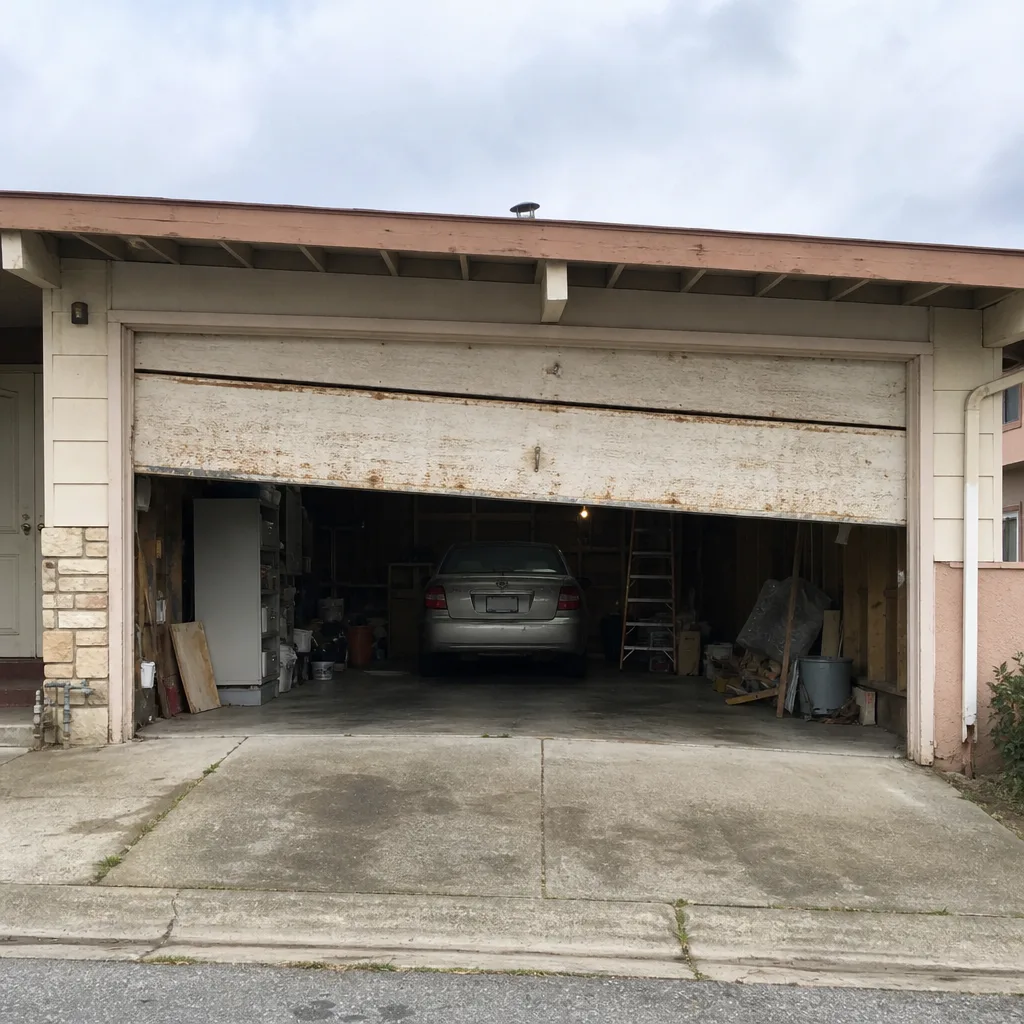 Before
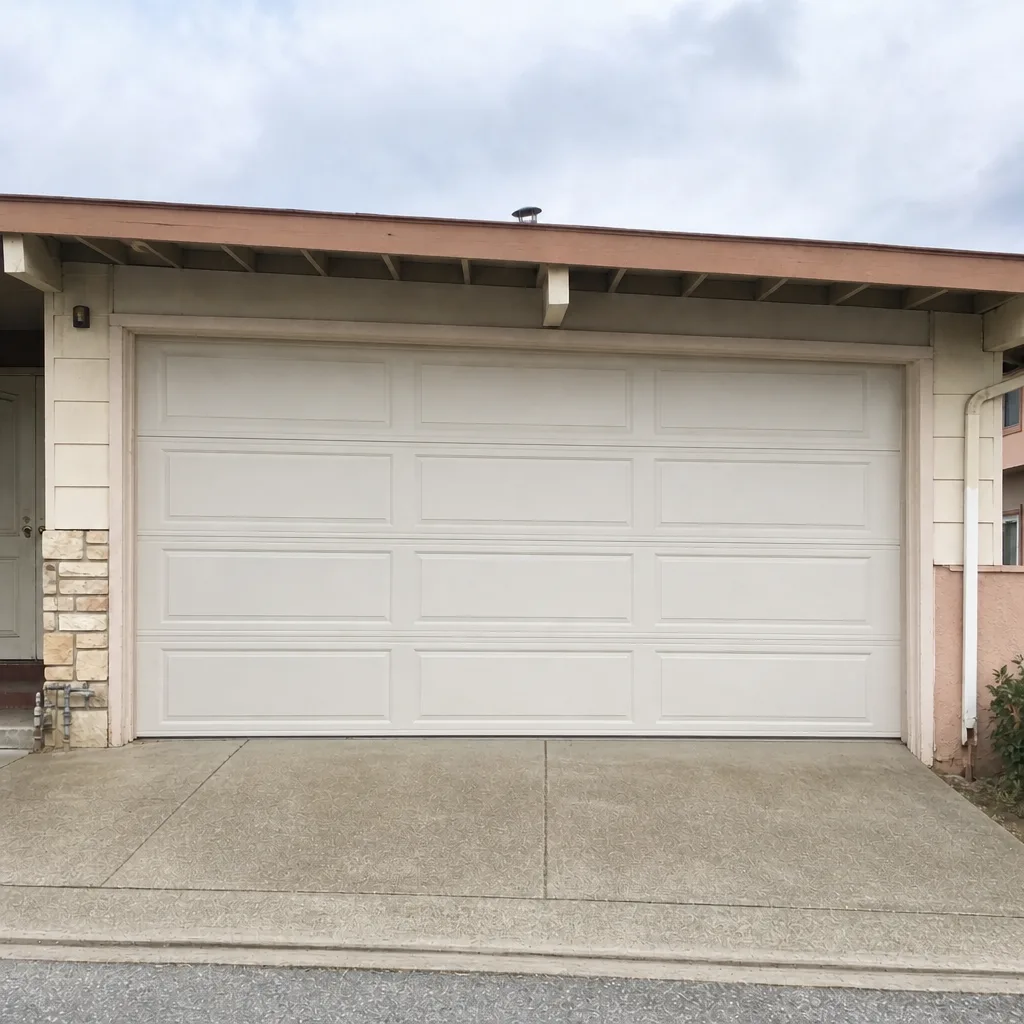 After
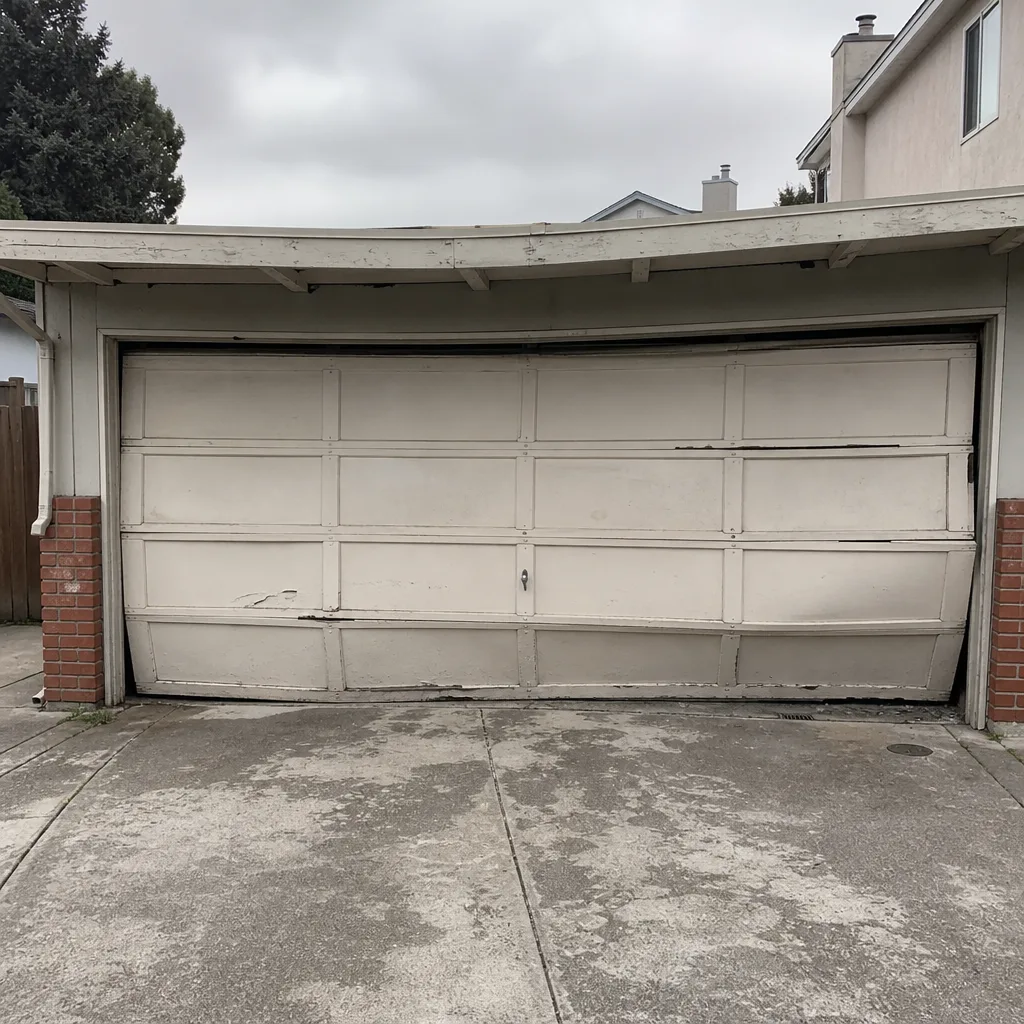 Before
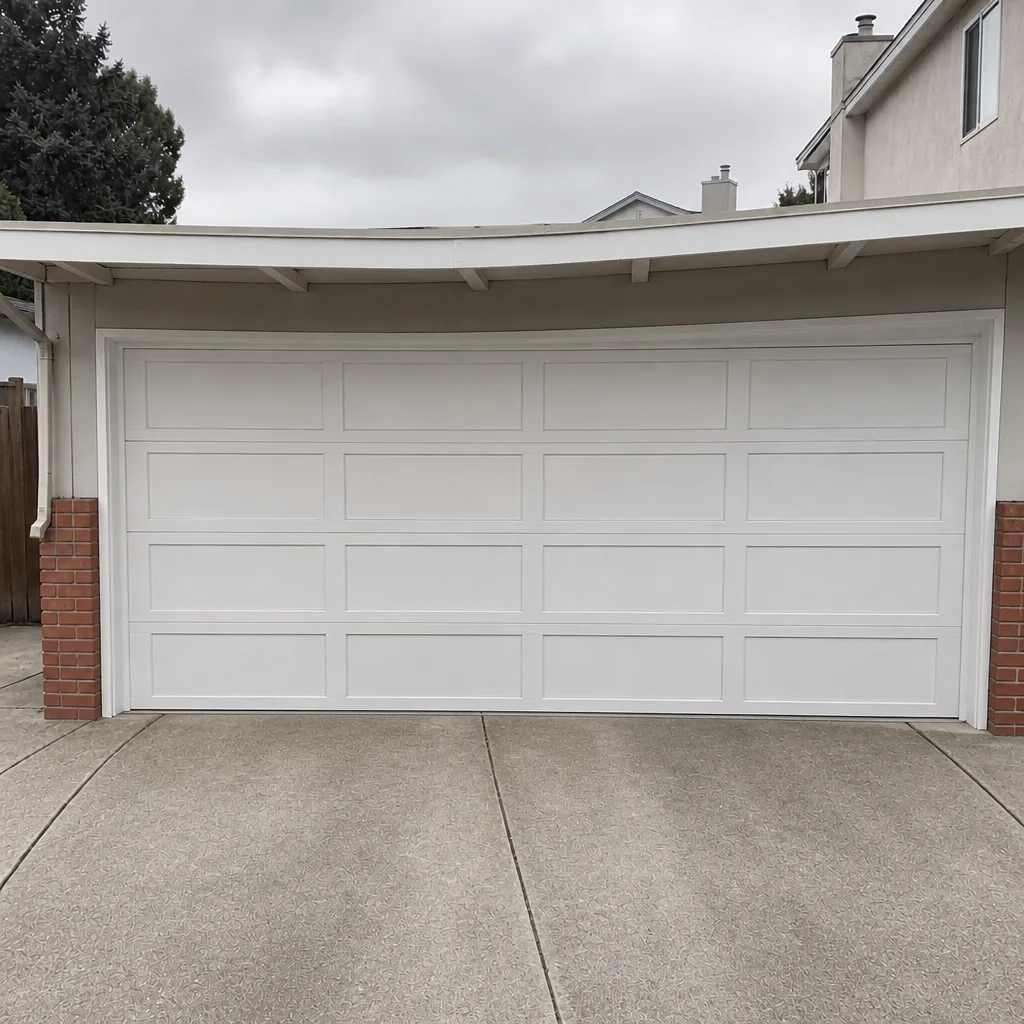 After
When to Call a Professional
Call a technician when the problem is under tension, requires a specialty tool, or affects more than one component. That means any spring break or suspected spring damage, any cable issue, a door that’s off its tracks, a bent track after impact, an opener that runs but doesn’t move the door, or a safety reverse that fails the test. Those are the cases where the honest answer is “this is not a homeowner job.” For the maintenance items above, we’re glad to explain exactly what to look for. When a repair comes up, Regent Garage Door Repair offers free estimates in Daly City, with the price written and agreed before any work starts. Call (866) 812-8584 and we’ll set it up. Our technicians have up to 12 years of experience across every door and opener system we handle.
Frequently Asked Questions
Most Daly City doors do well with monthly lubrication and a twice-yearly safety and balance test, plus a professional inspection once a year. The wet months make spring and cable checks more important than they’d be in a drier climate. If you’ve owned the door more than a few years without a service, an inspection is a good place to start.
Yes, usually. A matched pair of springs fitted and used together wear at the same rate, so replacing one leaves you with an old spring that’s likely to fail soon after. We recommend replacing both together, and we’ll include both in the written estimate. For a pair, budget roughly twice the cost of a single spring.
You can apply lubricant to the coils from below, with the door in the down position, because you’re not adjusting the spring or releasing tension. That’s safe and useful. Do not attempt to adjust, unwind, or replace a torsion spring yourself, because the stored energy is dangerous. Call (866) 812-8584 for spring work.
Damp air stresses metal hardware, causing friction and stiff rollers, which the opener then has to overcome. The other common cause is moisture interfering with the photo-eye lenses or a wheel drag that shows up when tracks sweat. If your door struggles through the wet months, a tune-up will usually fix it. Call (866) 812-8584 for a free estimate.
If the door moves fine by hand but the opener strains, the opener is the issue. If the door is heavy or jerks, the opener is probably telling you the door is out of balance. Our technicians diagnose the motor, drive, and electronics separately on every visit, so we can usually repair rather than replace. Call (866) 812-8584 to have it looked at.
We work on eight major brands, including LiftMaster, Chamberlain, Genie, Clopay, Amarr, Wayne Dalton, Craftsman, and Raynor. That means we arrive already familiar with your specific system’s quirks, whether it’s a legacy Craftsman opener or a Wayne Dalton door. We cover the full life of the door – garage door repair, opener service, and new installation. Our team works across Daly City, and we’d be glad to help.
The Bottom Line
Most garage doors fail on the moving metal: springs, cables, and rollers. In Daly City’s mild, damp air, those parts need a little more attention and a little less grit than generic checklists suggest. Lubricate the spring, rollers, and hinges with the right products, not WD-40. Run the safety reverse and balance tests twice a year. Watch for rust on cables and hardware, because corrosion is the slow cause of most sudden failures. Leave spring and cable work to a trained technician, and don’t wait out a bad sign. The rest is a matter of habit, and the habit is what keeps the door running for years. When something’s beyond a visual check, Regent Garage Door Repair is here, with the garage door opener repair and service expertise your specific system needs.
Call (866) 812-8584 for a free estimate. We answer 24/7. Fast dispatch from 7am to 7pm, Sunday through Friday.
Written by the team at Regent Garage Door Repair.