
Last updated November 16, 2026
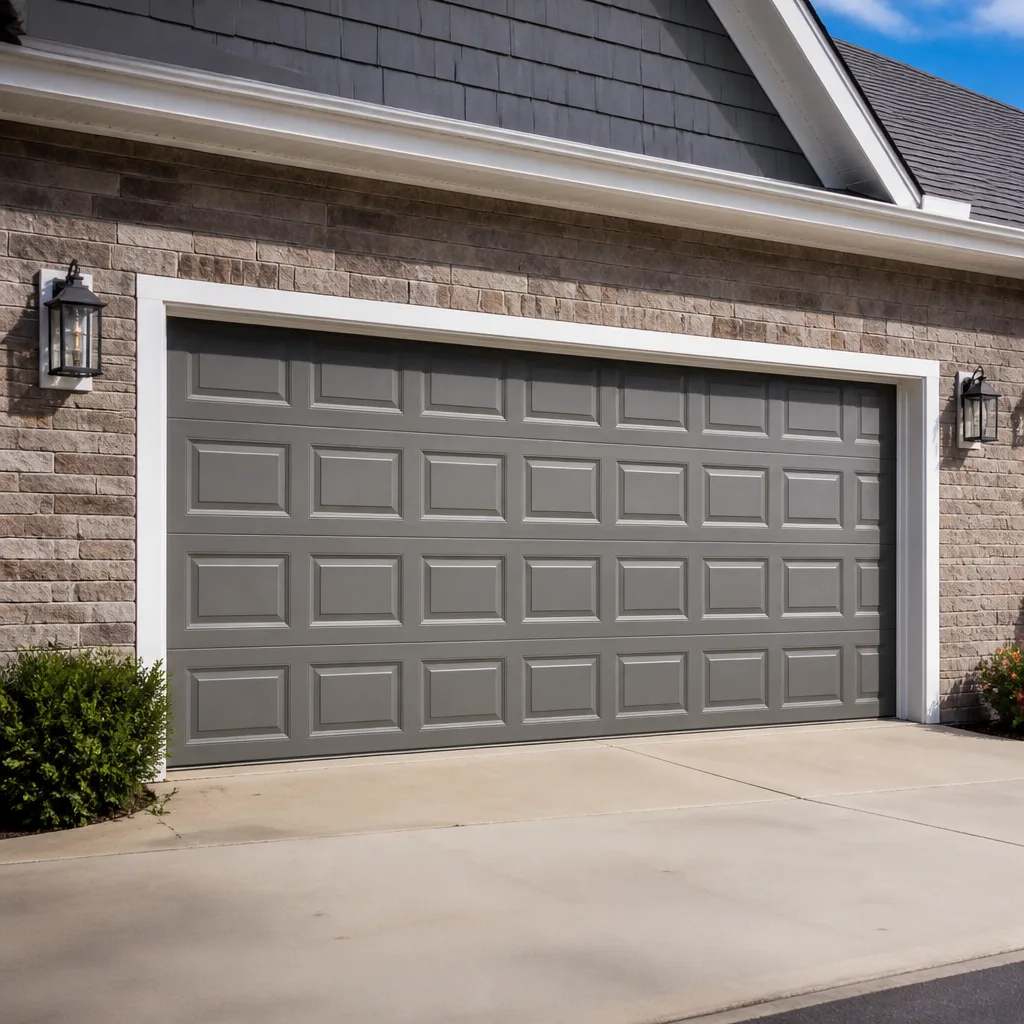 Raised-panel steel
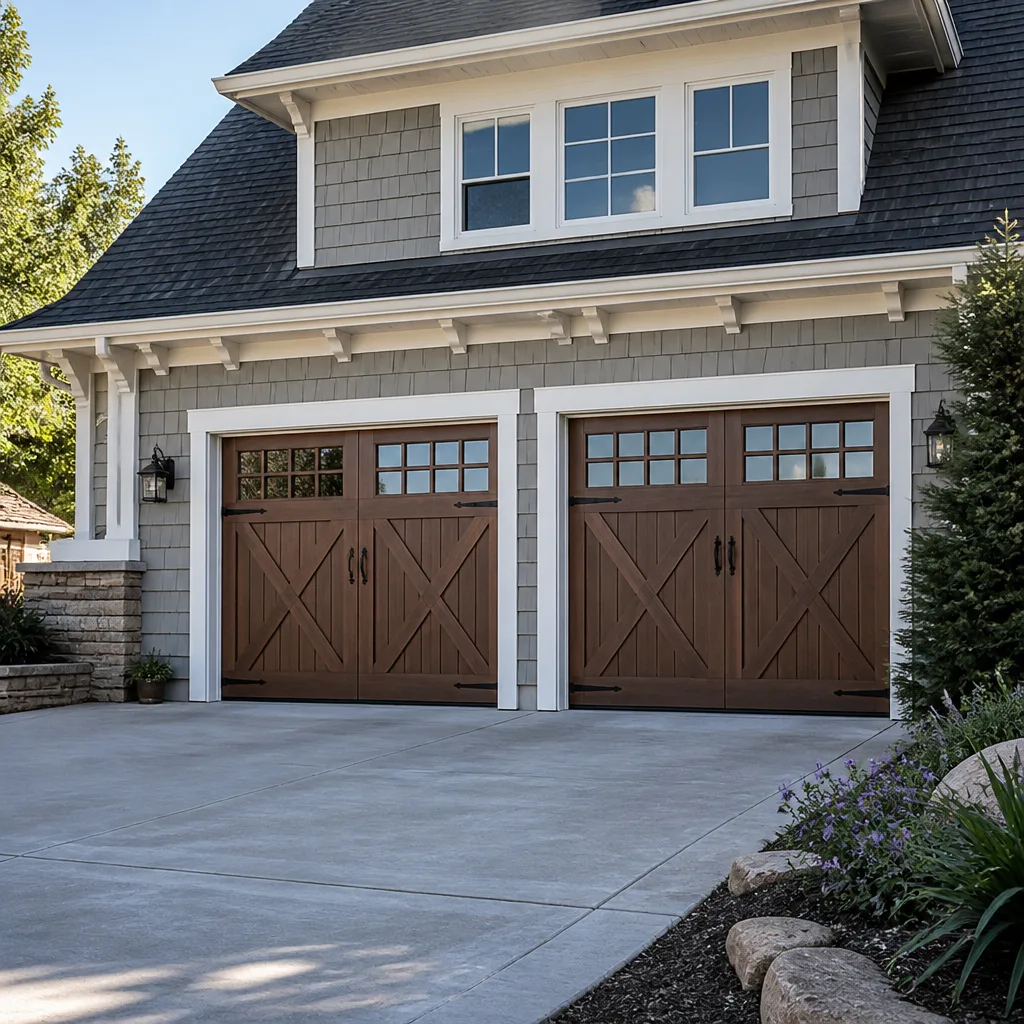 Carriage house
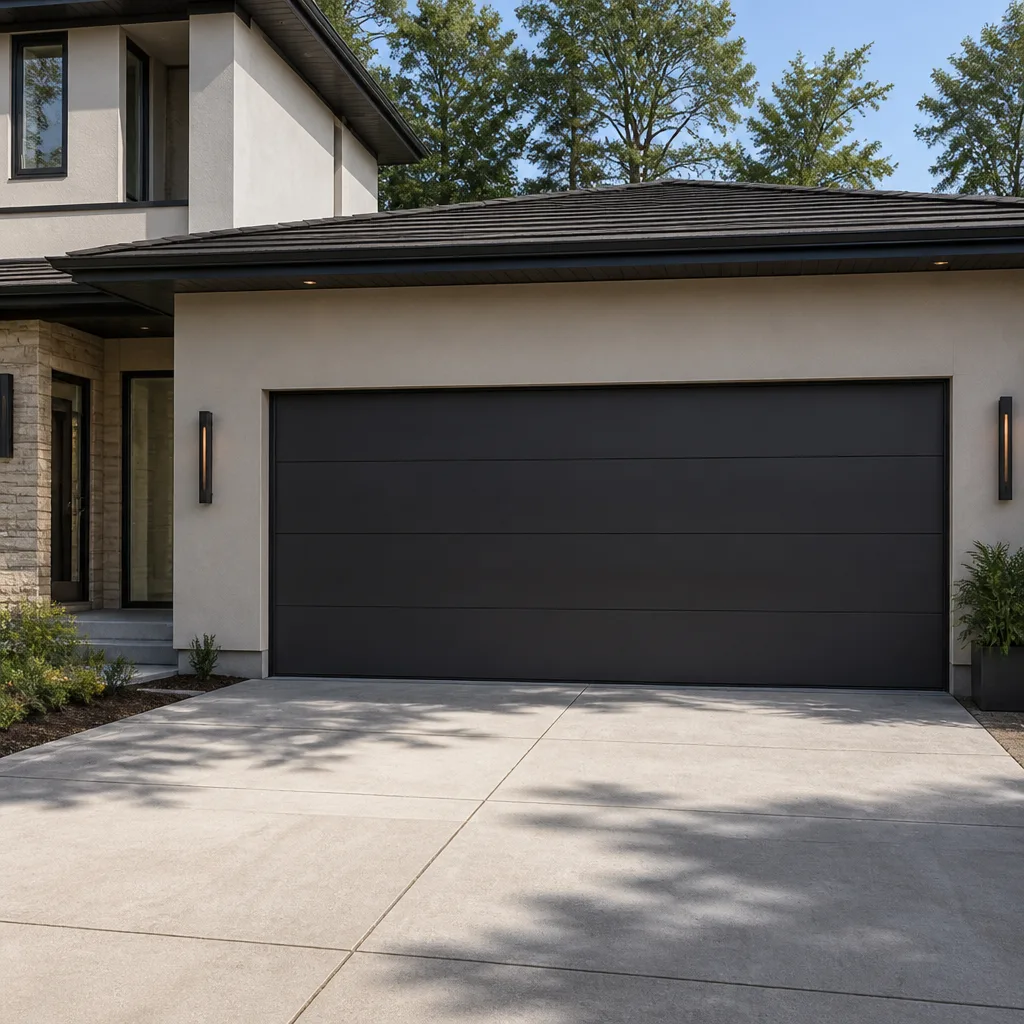 Modern flush
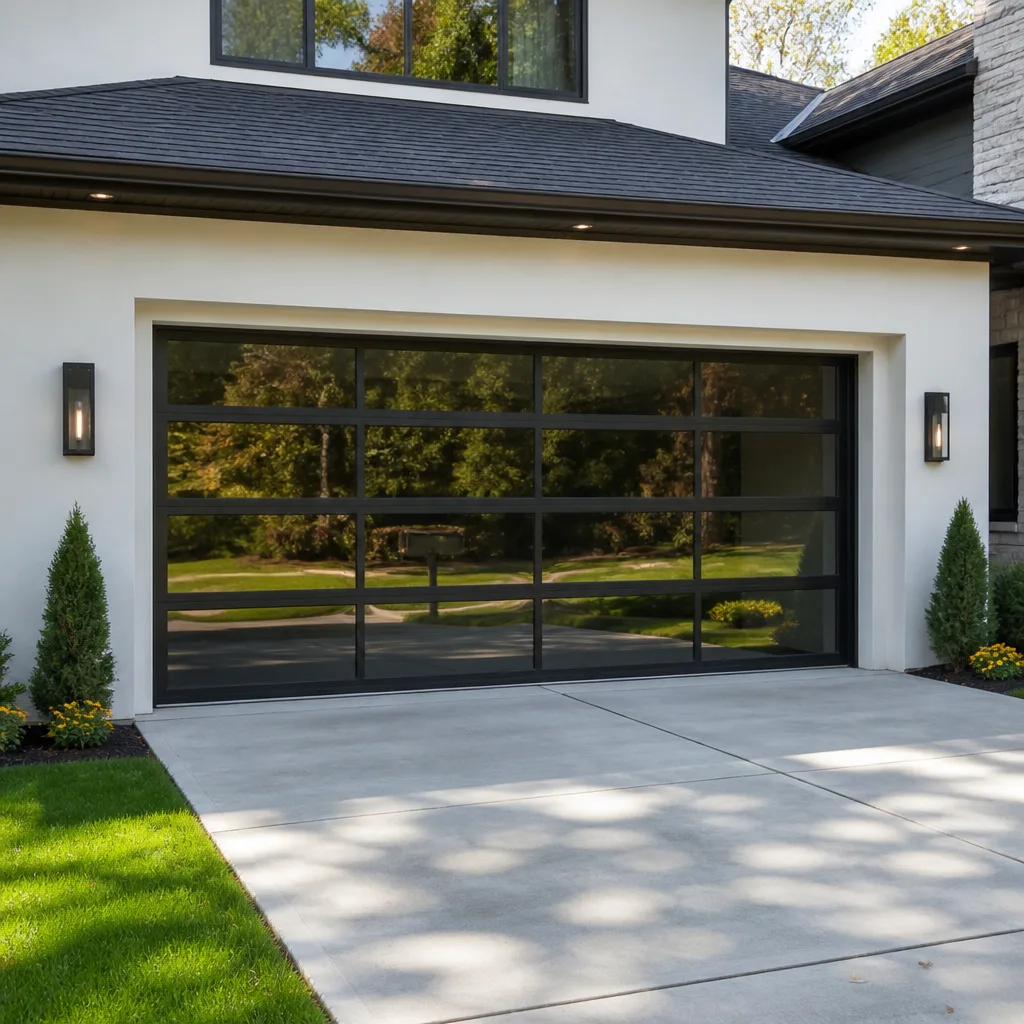 Full-view glass
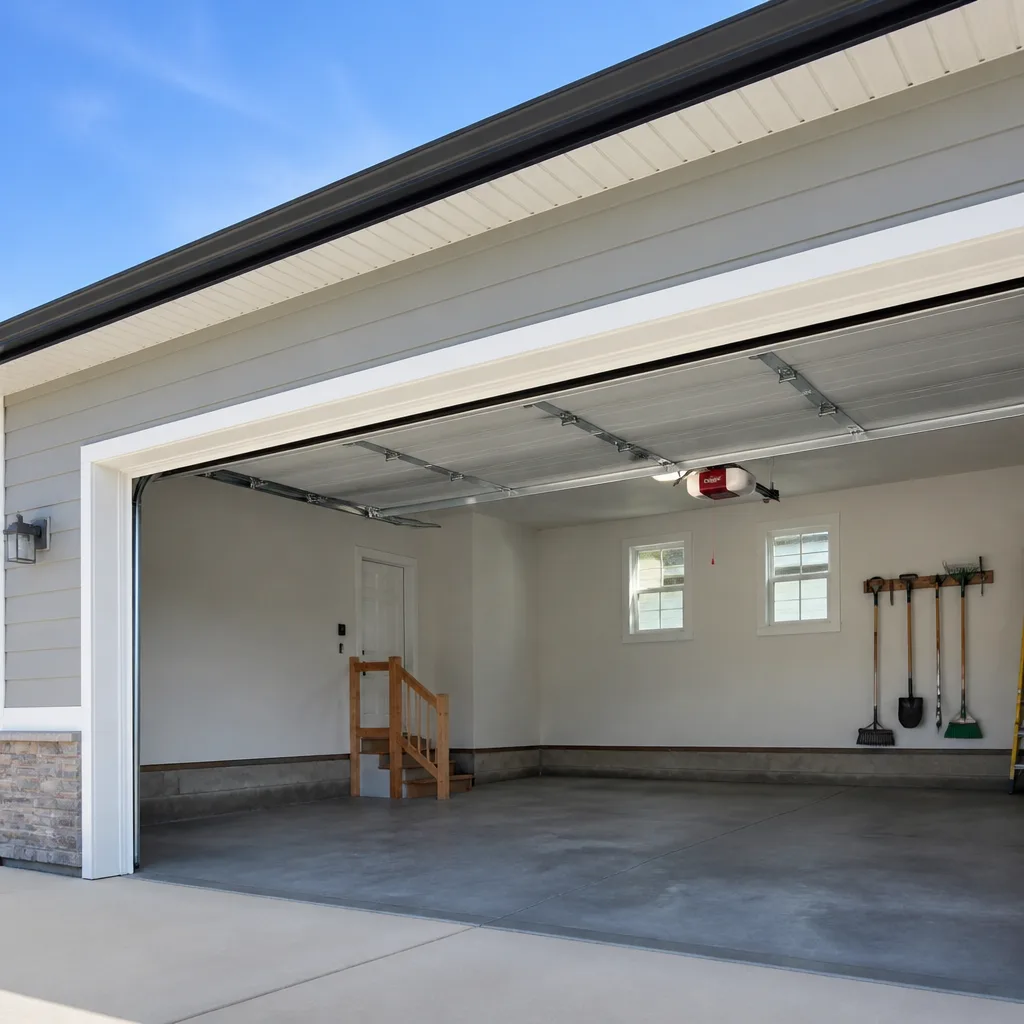 LiftMaster openers
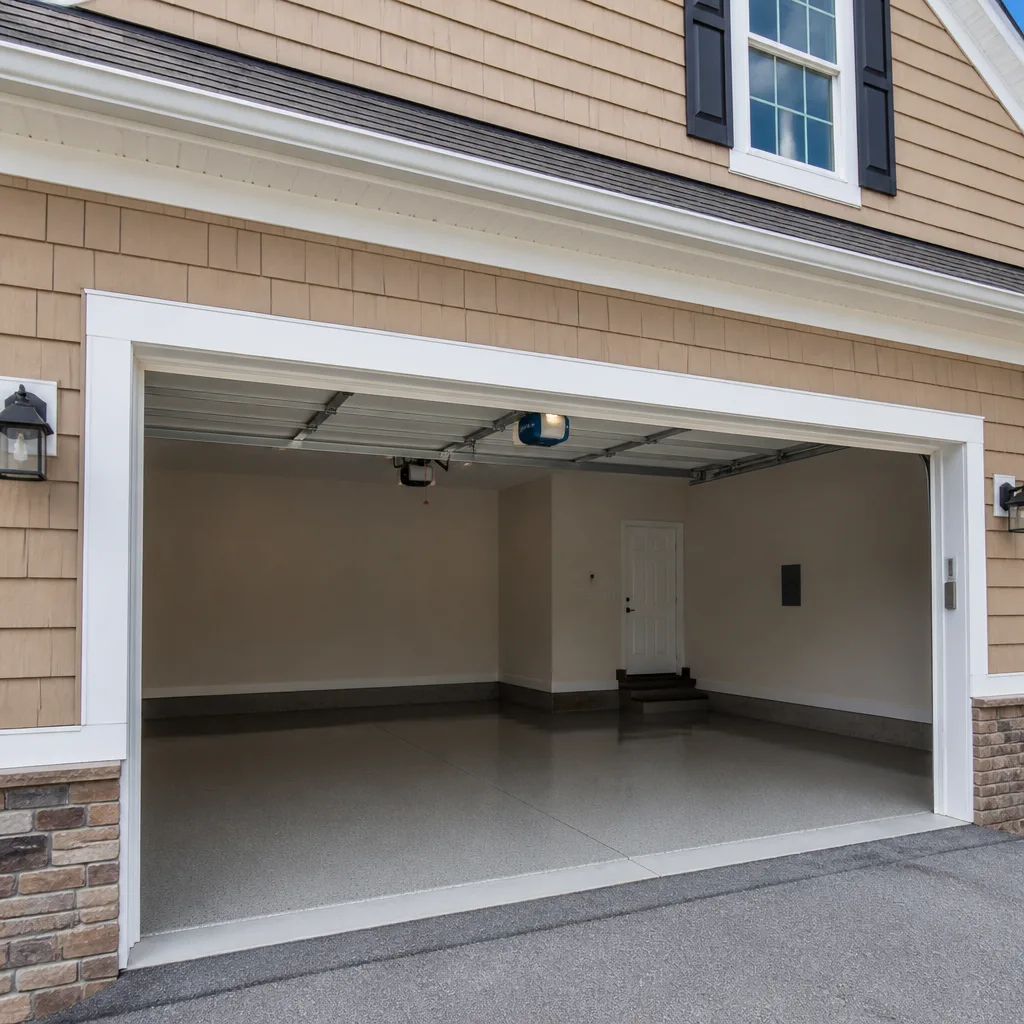 Chamberlain openers
Full 25-point door and opener safety check with every visit - springs, cables, rollers, tracks, and your LiftMaster or Chamberlain opener included
You get a price before we start. It does not change when the pro arrives.
Get your free estimateGarage Door Repair Troubleshooting in Daly City: Common Problems and How to Fix Them
The grinding noise you’re hearing is probably not your springs. In a foggy, salt-air city like Daly City, corroded rollers and worn bearings mimic spring failure so convincingly that homeowners, and plenty of generalist handymen, replace the wrong part entirely. You pay for a repair that doesn’t fix the noise, and the real culprit keeps grinding for another season.
This guide works backward from what you actually see and hear to what’s really broken. You’ll learn the handful of root causes behind almost every Daly City garage door problem, which symptoms you can safely check yourself, and which ones belong to a trained technician. By the end, you’ll know how to describe your problem accurately so you get a real estimate instead of a vague “we’ll see when we get there.”
Quick Answer
Most garage door problems in Daly City trace back to a short list of root causes: worn or corroded rollers and bearings, a broken torsion spring, a cable that’s slipped its drum, misaligned safety sensors, or a logic board fault in the opener. The symptom tells you which one it is. Grinding usually means rollers or bearings, a loud bang means a spring, a door that won’t close means sensors, and a remote that works only up close points to the opener or its antenna, not the door. Diagnosing the symptom correctly before anyone touches the door is what prevents paying for the wrong repair.
Styles & brands we work with
- Raised-panel steel
- Carriage house
- Modern flush
- Full-view glass
- LiftMaster openers
- Chamberlain openers
Table of Contents
- Why Daly City Doors Fail Differently
- The Symptom-to-Cause Map: Read Your Door Before You Call
- Broken Spring or Stripped Cable? How to Tell Without Touching Either
- Opener Fault or Mechanical Fault? Why Your Remote Is Rarely the Opener’s Fault
- What’s Genuinely Safe to Check Yourself (and What Crosses the Line)
- How to Describe Your Problem So You Get a Real Estimate
- Repair or Replace? How to Decide
- The Checks That Prevent Most Breakdowns
Why Daly City Doors Fail Differently
Daly City sits in a band of persistent fog and cool, damp air that rolls in off the Pacific nearly year-round. That weather is gentle on a lot of things, but it’s hard on anything made of steel that has to move. Garage doors in Daly City live outdoors on the most exposed side of the house, and the fog keeps a thin film of moisture on metal through much of the year.
What that means in practice is that grease and lubricant on your rollers, hinges, and bearings tend to hold that moisture against the metal instead of protecting it. The same is true of the tracks. In a drier climate, a door can go years between lubes without complaint. In Daly City, the corrosion clock starts earlier and runs faster, and it shows up first in the parts that move every single day.
We’ve seen the pattern repeat across neighborhoods from Westlake to Serramonte to the hills above the Mission Street corridor. Doors that face the fog tend to wear out their rollers and bearings first. Springs last, but the hardware around them doesn’t. That’s why so many Daly City homeowners describe a grinding or scraping sound and assume the worst.
There’s a second local factor: a lot of Daly City homes have older doors that came with the house, often from Clopay or Wayne Dalton lines installed decades back. Those doors are perfectly serviceable, but the original hardware is now at the end of its life. The good news is that most of these failures are predictable and cheap to fix when you catch them from the right symptom.
The Symptom-to-Cause Map: Read Your Door Before You Call
This is the section that saves you money. Before anyone touches the door, match what you’re seeing and hearing to the list below. You don’t need to fix anything yourself. You just need to know which end of the system is failing.
- Grinding or scraping as the door moves: Worn or corroded rollers, dry bearings, or a hinge binding. Common in Daly City because of moisture on metal.
- A loud bang, then the door won’t lift: A broken torsion spring. The door becomes very heavy and dangerous. Stop using it.
- Door lifts partway and stops, or hangs crooked: A cable that has slipped off its drum or snapped on one side.
- Door goes down then reverses immediately: Misaligned or dirty safety sensors at the bottom of the tracks.
- Remote only works up close, or not at all: Opener antenna, batteries, or a logic board issue. Rarely the door itself.
- Door opens fine then won’t close: Usually the safety sensors, sometimes a limit switch.
- Door shakes or vibrates: Loose hardware, worn rollers, or a track that’s out of alignment.
- Door won’t move at all and the opener hums: A stripped gear or drive in the opener, or a dead capacitor.
The key insight is that the sound comes from the door, but the touch comes from the opener. If the door is heavy, stiff, or noisy, the opener has to work harder to move it. Fix the door’s hardware and the opener stops straining. Ignore the door and the opener takes the damage.
Broken Spring or Stripped Cable? How to Tell Without Touching Either
A broken spring and a slipped cable feel almost identical when you pull the door or hit the button. But they’re not the same repair, and they don’t cost the same. You can tell them apart with your eyes and ears, and you should never need to touch either one.
A torsion spring is the coil above the door, mounted across the header or on a bar. A broken spring is almost always obvious: there’s a visible gap or split in the coil, and you’ll usually find a two-foot piece lying on the floor nearby. The spring literally fractures. That’s the bang you heard.
A cable is different. Cables run up the sides of the door and wind around drums at the ends of the spring bar. A slipped cable often shows as a frayed end dangling from the drum, or a door that’s visibly crooked with one side lower than the other. There may be no gap in any spring. The drum may be turning freely while the cable goes slack.
Visual checks only – no touching
- Look at the spring bar above the door. A visible gap in the coil means a broken spring.
- Look up and down both sides of the door for a cable that’s off its drum or visibly frayed.
- Stand back and look at the door’s bottom edge. If one side hangs lower than the other, a cable has slipped.
- Listen for the bang. Springs break with a noise. Cables usually fail quietly with a slowing or crooked door.
- Do not pull the door by hand to “test” it. A door with a broken spring or slipped cable can come down hard.
This is the single most valuable distinction in garage door troubleshooting. Homeowners who know they have a broken spring get the right estimate from day one. Homeowners who guess wrong end up paying for a tune-up that never fixes the problem. That’s why our garage door repair begins with the visual checks, not the tools.
Opener Fault or Mechanical Fault? Why Your Remote Is Rarely the Opener’s Fault
Here’s a rule to internalize: if your remote isn’t working, your opener probably isn’t broken. Most “dead opener” calls turn out to be door-side problems or simple remote-side fixes. Your opener is a system, not just a motor. It includes the remote, the wall switch, the safety sensors, the logic board, and the travel limit switches. When one part of that system fails, it can look like the whole thing has died.
How to separate the two
- Try the wall switch. If the door moves from the wall switch but not from the remote, the problem is the remote or the antenna, not the opener.
- Change the remote battery. It’s a five-dollar check that solves a surprising percentage of calls.
- Check the safety sensors. A door that won’t close from any control is usually sensor-side.
- Check the breaker. A tripped garage circuit stops everything at once.
- Look at the door itself. If the door is stiff, crooked, or heavy, the opener may be trying to move it and can’t. That’s a mechanical fault, not an opener fault.
Our approach is repair first. We diagnose which part of the system has failed before recommending any opening. Opener repair is a dedicated service for us, not an afterthought, and we separate the motor, the drive, and the smart-home connectivity side of the system rather than defaulting to full replacement. If you have a LiftMaster or Chamberlain opener with app connectivity, the problem might not be in the motor at all. It might be the Wi-Fi module or the wall control. We know those systems, and we know how to tell them apart from a dead motor.
For older doors with legacy openers like an original Genie or Craftsman unit still running after decades of service, the honest conversation is sometimes about repair versus replacement. That decision belongs to you with a clear estimate in front of you, not a pressure pitch on the driveway. When an opener genuinely needs service or replacement, our garage door opener repair is the resource for the opener side of the system.
What’s Genuinely Safe to Check Yourself (and What Crosses the Line)
We’d rather you know the difference up front than find out the hard way. Some troubleshooting is safe and worth doing. Some of it is a fast trip to the emergency room. The good news is that the safe list covers the majority of what a homeowner needs to diagnose before calling.
Safe to check yourself
- The remote battery and the wall switch, to isolate whether the door responds to any control.
- The safety sensors at the bottom of the tracks (wipe the lenses, check they’re aligned and lit).
- The breaker for the garage circuit.
- The spring bar above the door, from the ground, with your eyes. A gap is a gap.
- The cables on both sides of the door, visually, for fray or misalignment.
- Whether the door hangs crooked or looks visibly off its tracks.
Do not touch these yourself
- Torsion springs. They store enormous energy under tension. A released spring can cause serious injury in a fraction of a second.
- Cables under tension. Same energy, same risk. Do not try to reseat one on a drum.
- Track adjustment while the door is under load. Track bolts seem simple. Under tension, they aren’t.
- Any work that requires the door to be held open by hand. If the door has to be propped, it isn’t safe to work on.
- Disconnecting the opener and letting the door close under its own weight. With a broken spring, that door will come down hard.
The rule of thumb: you can look, you can listen, you can wipe a sensor lens. You should not put your hands into the spring, cable, or track assembly. A trained technician has the tools, the knowledge, and the restraint to work on a door with stored energy in it. That’s not a scare tactic; it’s the reason the job exists at all.
When you call us, we walk you through what’s safe to check on the phone. If it’s something you can handle yourself, we’ll tell you. If it isn’t, we’ll tell you that too. Free estimates mean we’re not out to bill you for a diagnosis you don’t need.
How to Describe Your Problem So You Get a Real Estimate
“The door isn’t working” gives you a vague estimate and a technician who has to start from zero. “The door grinds at the bottom third and the remote works from the driveway but not from inside the house” gives you a real number before anyone steps out of the van. The words you use on the phone are the difference between a fair estimate and an open-ended bill.
The details that matter
- What you see and hear. Grinding, banging, scraping, humming. Where in the door’s travel does it happen. Which side of the door, if it’s one side.
- How the door responds. Does it open at all. Does it go partway. Does it reverse. Does it stay where you press the button.
- What controls work. Remote only, wall switch only, neither.
- Recent history. Did it happen suddenly or gradually. Was the door ever hit. Did someone recently adjust it.
- The door itself. Roughly how tall and wide, and any brand you can see on the label or the hinges.
- The opener. Brand and model if you can find them on the label on the top of the motor unit.
This is where brand familiarity earns its keep. We work on products from eight of the most widely installed brands, including LiftMaster, Chamberlain, Genie, Clopay, Amarr, Wayne Dalton, Craftsman, and Raynor. When you tell us you have a Chamberlain with a Wi-Fi opener, we already know the likely fault points. When you tell us you have a Wayne Dalton door on its original hinges, we know what we’re probably looking at.
We’ve seen every make and model of garage door and opener system in Daly City, and the ones that give trouble tend to give the same trouble locally. That’s the point of describing your problem accurately before you call. You get an estimate that matches the actual job, not a range that leaves the door open for a bigger invoice once the technician is standing in your driveway.
Repair or Replace? How to Decide
The honest answer is: it depends, and the thing it depends on isn’t the year on your door. It’s which parts are failing together. A door with one worn roller and a misaligned sensor is a repair, full stop. A 20-year-old door with corroded panels, failing springs, a bent track, and an opener that hums without moving is not worth repairing piece by piece.
The decision usually comes down to four questions:
- Is the door still structurally sound? Panels, stiles, and tracks intact. If the door frame is damaged, replacement starts looking reasonable.
- How many parts are failing at once? One failure is a repair. Four simultaneous failures tend to mean the door has reached the end of its service life.
- How does the opener factor in? A working opener on a healthy door is fine. A failing opener on a failing door pushes toward replacement.
- How does the door perform in Daly City’s weather? A door that struggles with moisture, insulation, or appearance is an upgrade candidate.
We approach every door with repair first. If one part has failed, we fix that part. If the door has genuinely reached the end of its life, we’ll say so and help you understand what a replacement looks like. We carry installation capability across door lines including Clopay, Amarr, Wayne Dalton, and Raynor, so we can talk through options without pushing you toward any single brand.
Installation is scheduled, not same-day. Any new door has to be measured, ordered, and scheduled for a proper install. When you’re ready to talk through it, our team works through Daly City and the surrounding area, and we can give you a free measure and a written estimate.
The Checks That Prevent Most Breakdowns
Almost every breakdown we’re called out for in Daly City starts as something small. A binding roller that could have been oiled. A sensor lens that could have been wiped. A loose bolt that could have been tightened. Ten minutes twice a year, spring and fall, prevents most of the calls that start with a grinding noise.
The routine that actually makes a difference
- Lubricate the moving parts. Rollers, hinges, and bearings. Use a garage door lubricant, not WD-40. The moisture here means the metal needs the right protection.
- Inspect the rollers. Nylon rollers should turn freely. Steel rollers should look shiny and round, not flat or scaly. Replace the ones that bind.
- Tighten visible bolts. The bracket bolts and hinge screws. Vibration loosens them over years.
- Wipe the sensor lenses. A damp cloth on both lenses at the bottom of the tracks. Fog leaves a film that blocks the beam.
- Test the safety reverse. Place a small object in the door’s path and confirm the door reverses. Test it twice a year.
- Look at the springs and cables. Just look. A gap in the coil or a fray on a cable is a call now, not a call later.
- Listen for new sounds. Grinding, scraping, or squealing is your notice that something is asking for attention.
This routine is especially valuable in Daly City because the fog does the slow damage quietly. A door that’s quietly corroding in December is a door that grinds loudly in March. Catching it early turns a repair into a tune-up. Skipping it turns a tune-up into a spring replacement.
Common Mistakes to Avoid
- Assuming the springs are gone because the door is heavy. Corroded rollers can make a healthy door feel heavy. Read the symptom chart before you decide the fix.
- Spraying WD-40 on the tracks. It attracts grit and dries out. The tracks are meant to stay clear, and the rollers are where the lubricant belongs.
- Calling a general handyman for a spring or cable. These parts are under stored tension and are a specialist’s job in Daly City and everywhere else. The wrong hands on a torsion spring is how people get hurt.
- Relying on the door for security while it’s not closing properly. If the door won’t close, your home is not secured. Treat a door that won’t close as a today problem, not a next week problem.
- Ignoring a remote that only works up close. That’s usually a warning sign for the opener antenna or logic board, and catching it early keeps the door usable.
- Telling the technician “just fix whatever’s wrong.” Get a quote for the specific problem first. A written estimate before work starts is what protects you.
- Skipping the lubrication because the door “seems fine.” A door that seems fine is a door doing its maintenance. The Daly City moisture rewards anyone who keeps it up.
See the difference
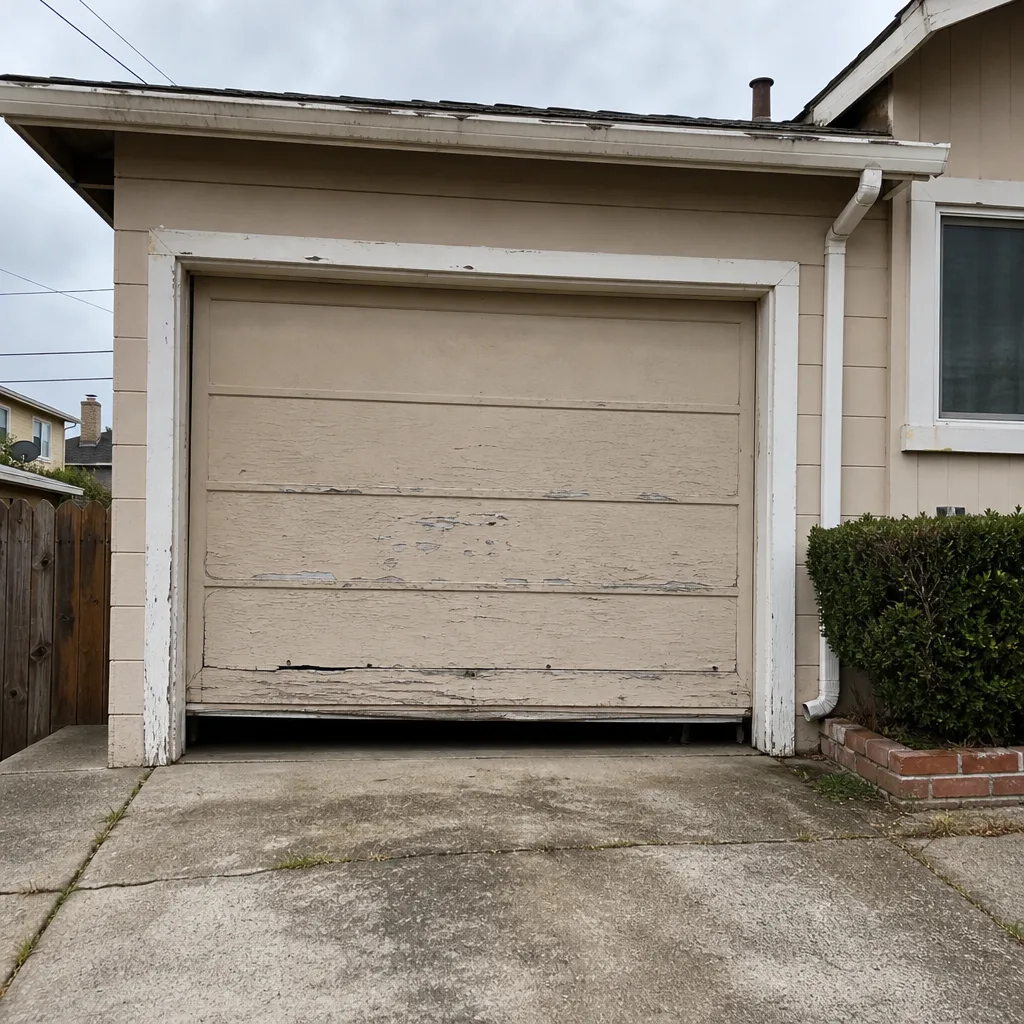 Before
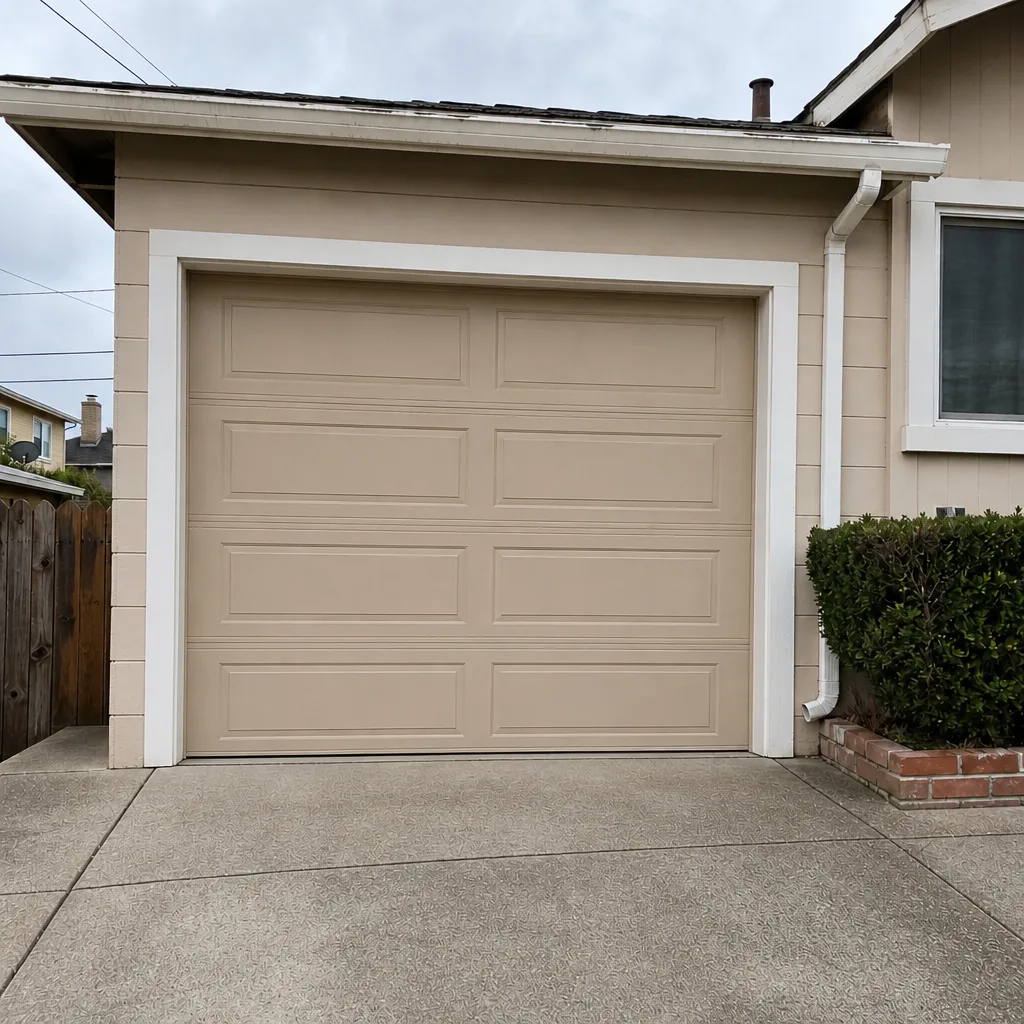 After
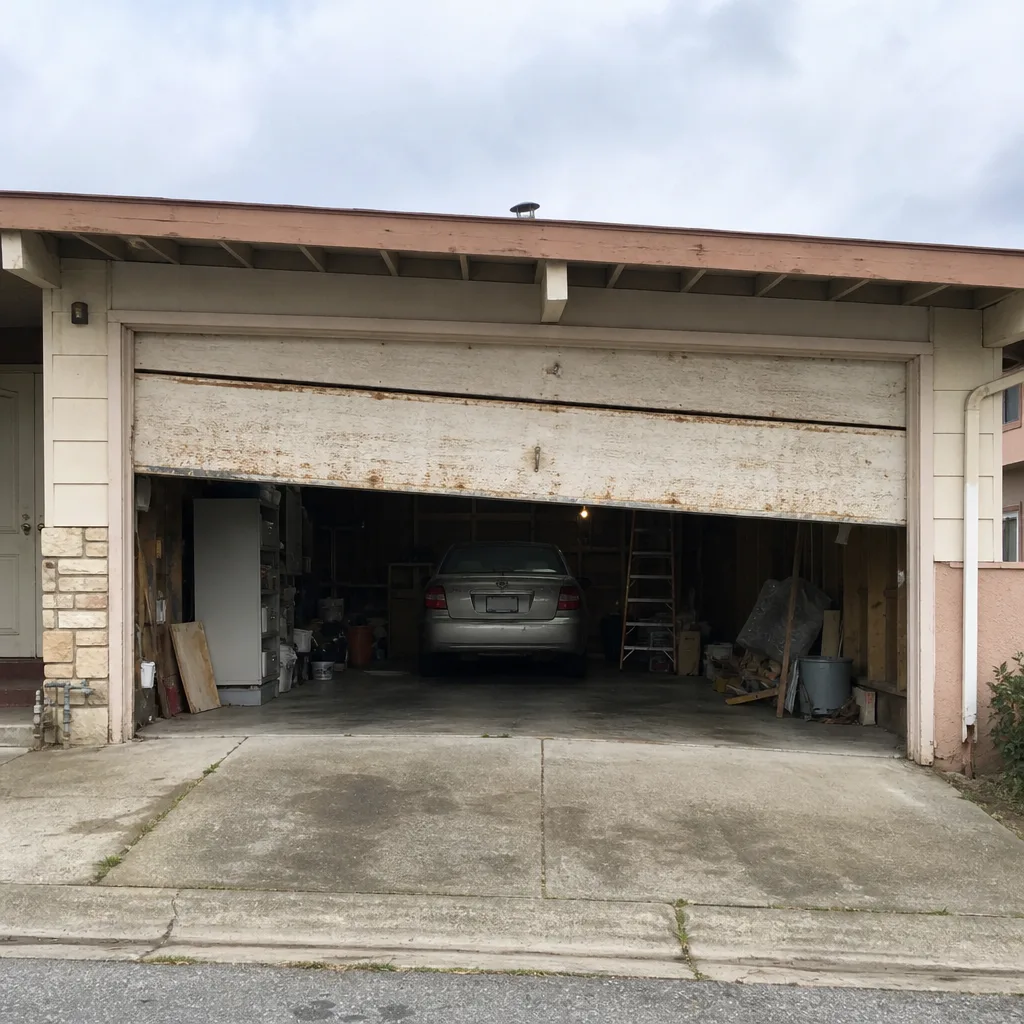 Before
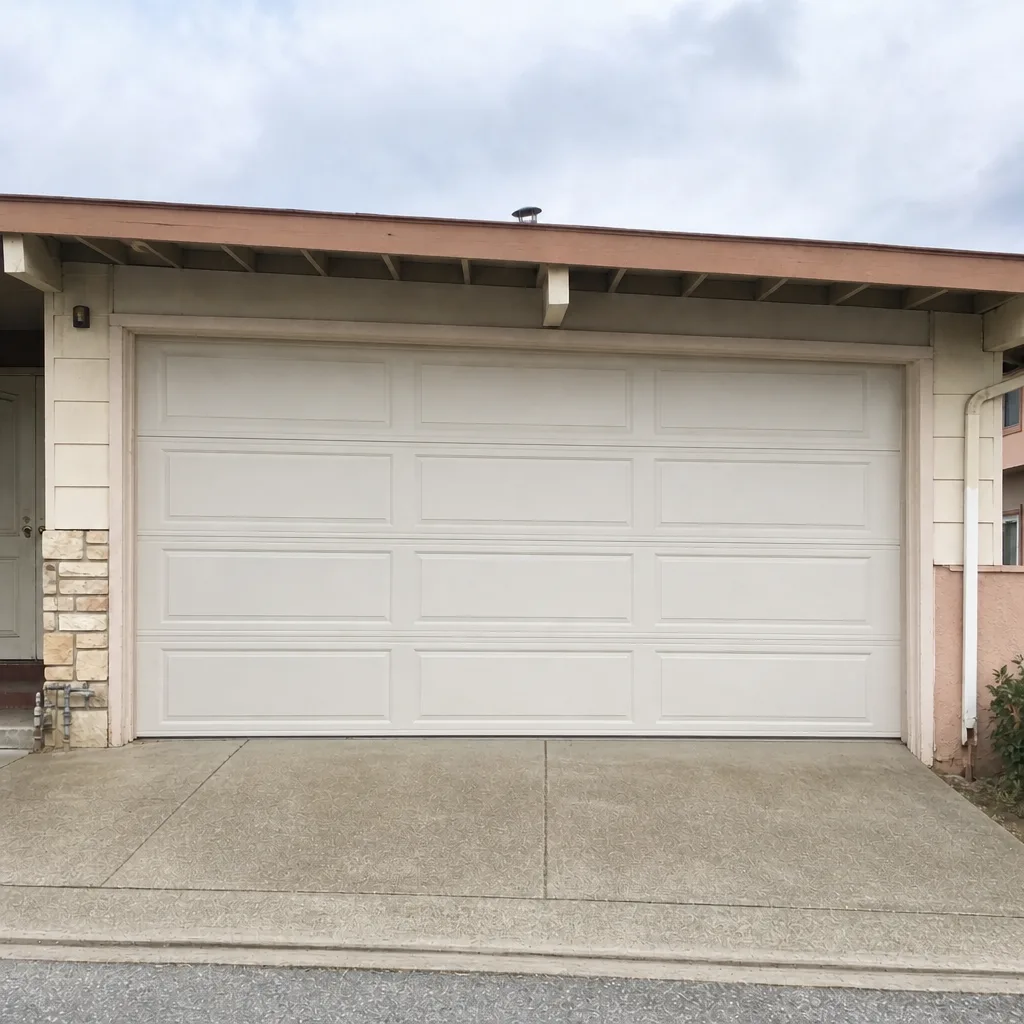 After
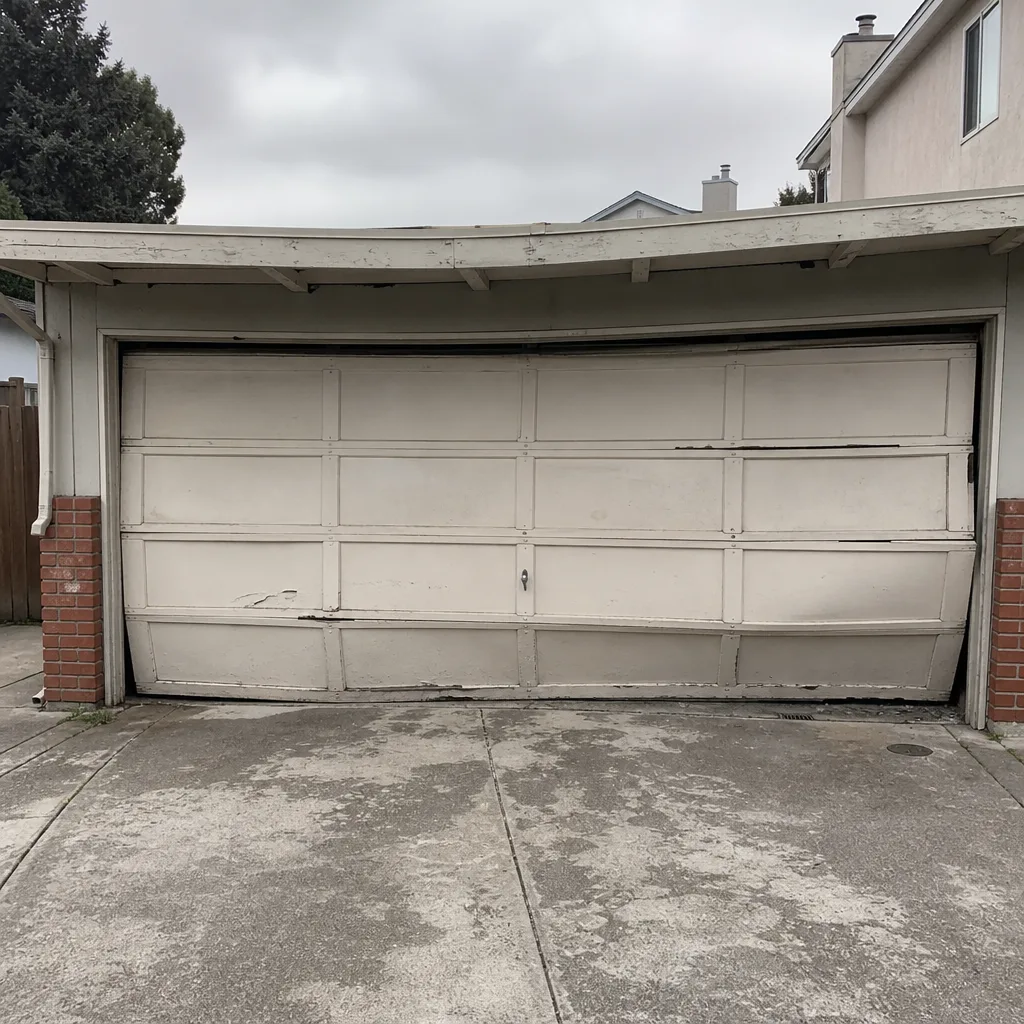 Before
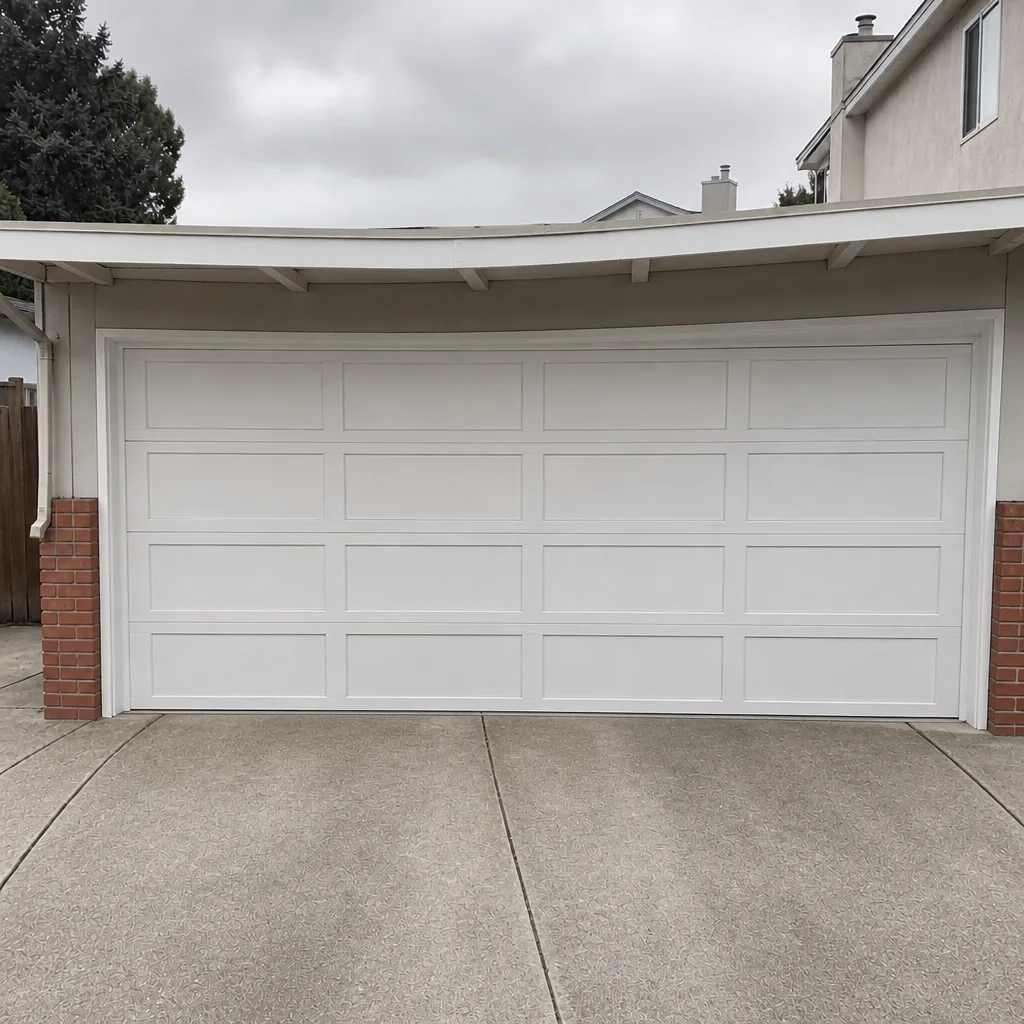 After
When to Call a Professional
Call when the door is heavy, crooked, won’t close, won’t open, or is making a new noise. Call when you see a gap in a spring, a fray in a cable, or a bent track. Call when the door stays where you press the button but the opener hums without moving. Call whenever your hand is hovering over a part that’s under tension. The single biggest mistake we see is homeowners pushing a door back into place to “test” it. A door with a broken spring is not a fixed door that just needs a nudge. It’s a heavy door with stored energy elsewhere in the system, and it can come down hard.
If you’re not sure, describe it on the phone and we’ll tell you what to look at. We answer 24/7. Fast dispatch from 7am to 7pm, Sunday through Friday. Regent Garage Door Repair offers free estimates in Daly City. Call (866) 812-8584.
Frequently Asked Questions
Most garage door repairs in Daly City are priced per job after a free estimate, and the written estimate you get before any work starts is the number you pay. A single broken spring or a roller replacement is the sort of work that quotes in a modest range; a cable replacement or a full track realignment quotes higher. We give you the estimate in writing before we touch the door. Call (866) 812-8584 for an exact quote. Estimates are free.
In many cases, yes. We answer 24/7 and dispatch Sunday through Friday, 7am to 7pm. If you call outside those dispatch hours, we’ll book you into the next opening, Sunday through Friday, 7am to 7pm. Same-day service is available for repair calls, and the faster you call, the more likely we can get to you that day. Call (866) 812-8584 with a description of what’s happening.
No. The written estimate you approve before any work starts is the price you pay. If we find something the estimate didn’t cover, we stop and talk to you before doing anything about it. Our approach is repair first. We diagnose the real problem, quote that problem, and get your approval before we start. Call (866) 812-8584 to get a free estimate.
We work with state-licensed, insured, and bonded professionals who specialize in garage doors. Our technicians have up to 12 years of experience, and our skills are built for garage doors specifically, not general home repair. If you have a specific licensing or insurance question, we’re glad to walk you through it when you call. Call (866) 812-8584.
A broken spring almost always shows a visible gap or split in the coil above the door, and it often comes with a loud bang. A slipped cable usually shows a frayed end near a drum or a door that hangs visibly crooked, and often fails quietly. Look from the ground with your eyes only. Don’t pull or test the door by hand. If you can’t tell from the outside, describe what you see and we’ll help. Call (866) 812-8584.
Our foggy climate holds moisture on metal for much of the year, and that accelerates wear on rollers, hinges, and bearings. The same door that stayed quiet for years in a drier climate will start grinding sooner here. That grinding is usually a lubrication and roller issue, not a spring. Most of the time it’s solved with fresh lubricant and worn rollers replaced. Grinding that continues after that is worth a call. Call (866) 812-8584 for a free estimate.
The Bottom Line
The vast majority of garage door problems in Daly City trace back to a short list: worn rollers and bearings, a broken spring, a slipped cable, misaligned safety sensors, or an opener fault. The trick is reading the symptom before anyone touches the door. Grinding is usually hardware, a bang is usually a spring, a crooked door is usually a cable, and a remote that works only up close is usually the opener. Learn that map, do the safe visual checks, keep the moving parts lubricated, and you’ll catch most problems before they turn into an emergency.
When the problem is a spring, a cable, or anything that lives under tension, call a professional. The door is heavy and stored energy is dangerous. Our team at Regent Garage Door Repair works on garage doors and nothing else. We know the brands, the systems, and the way a Daly City door ages in the fog.
If you’d rather have someone diagnose it for you, call Regent Garage Door Repair at (866) 812-8584 for a free estimate. We answer 24/7. Fast dispatch from 7am to 7pm, Sunday through Friday. We serve Daly City and the surrounding area, and we’ll tell you on the phone what to look at before we come out.
Written by the team at Regent Garage Door Repair.