
Last updated November 16, 2026
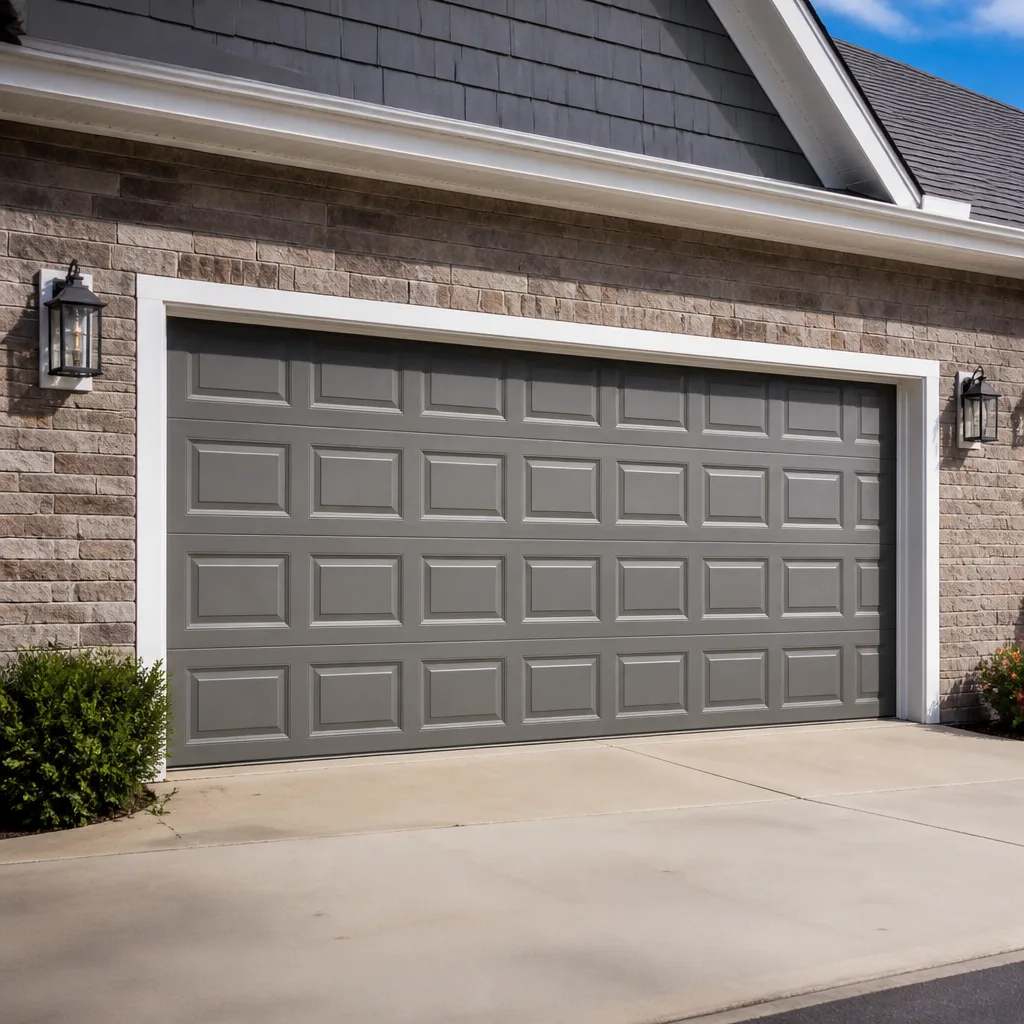 Raised-panel steel
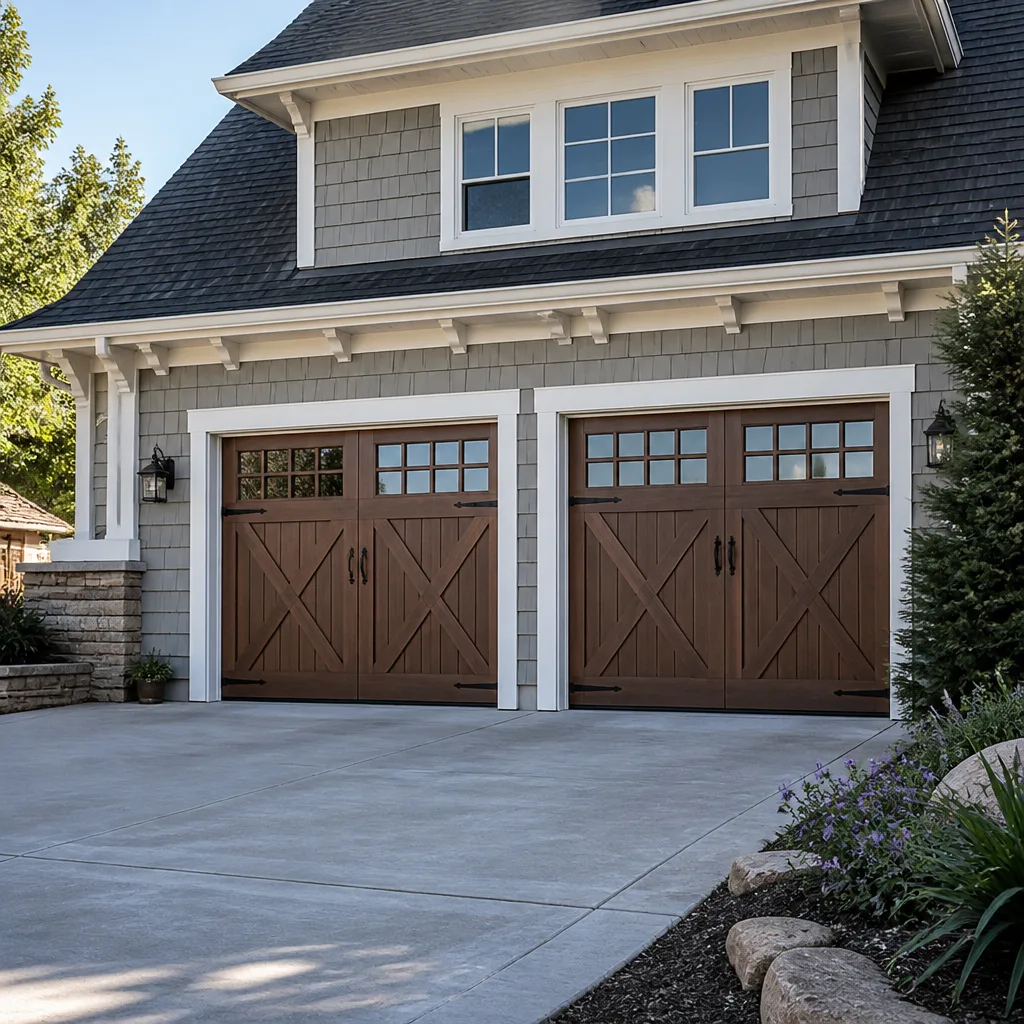 Carriage house
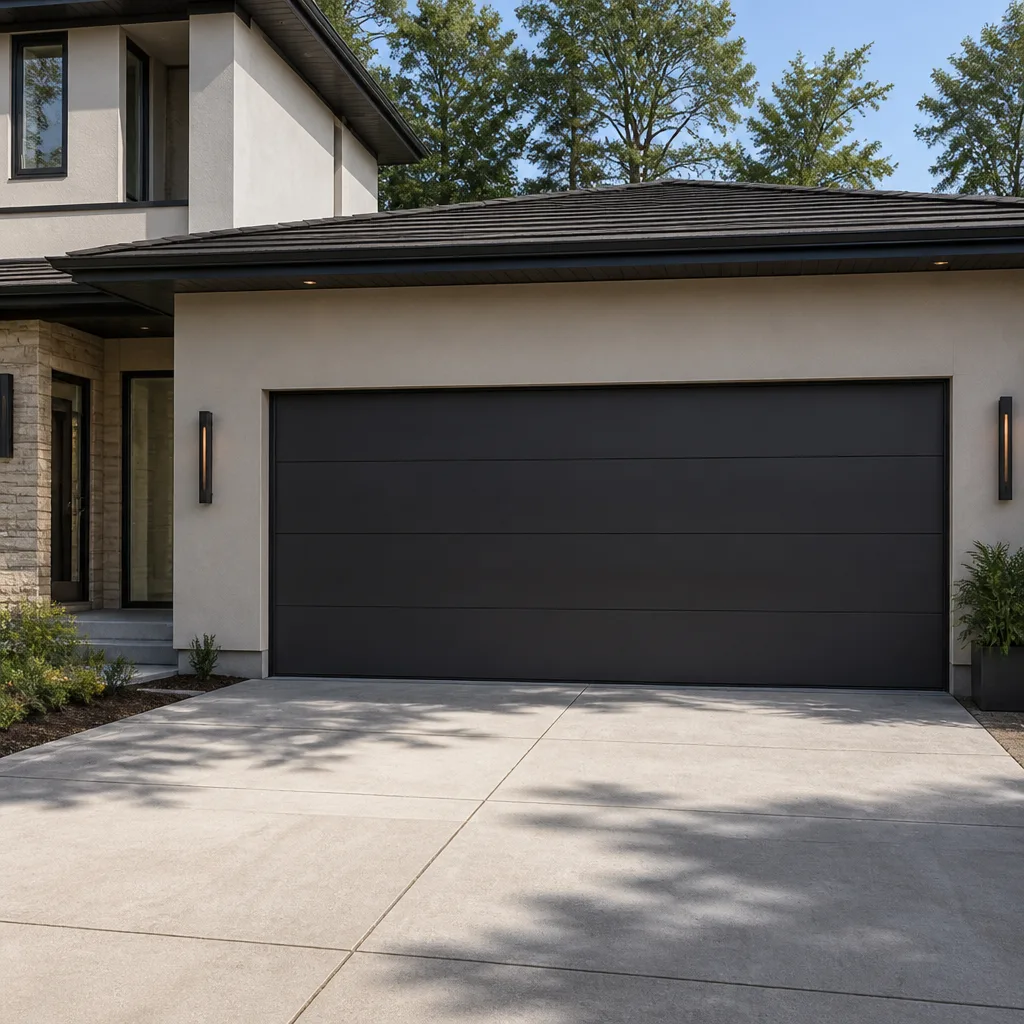 Modern flush
 Full-view glass
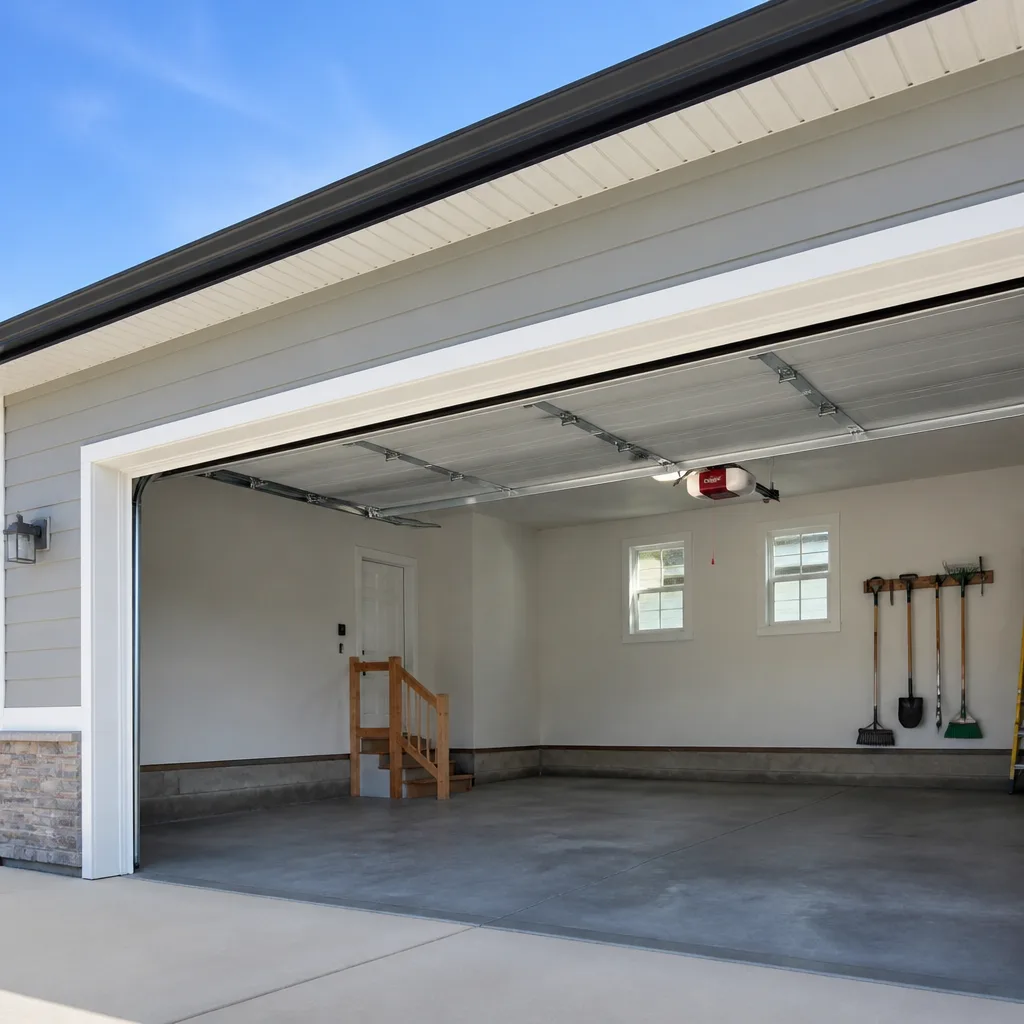 LiftMaster openers
 Chamberlain openers
Full 25-point door and opener safety check with every visit - springs, cables, rollers, tracks, and your LiftMaster or Chamberlain opener included
You get a price before we start. It does not change when the pro arrives.
Get your free estimateGarage Door Repair Maintenance Schedule: What to Do and When
Most garage door maintenance advice you’ll find online was written for a national average that doesn’t exist. Manufacturers set lubrication intervals and inspection windows based on broad climate data, then those numbers get repeated everywhere as if they apply equally to a door in Phoenix and a door in Daly City. They don’t. A garage door here lives with cool, damp air pushing against steel for months at a time, followed by dry inland winds that pull moisture back out. That cycle ages springs, bearings, and hinges on its own schedule. This guide gives you a month-by-month maintenance calendar built around how Daly City conditions actually wear a door, plus the tests and visual checks that tell you a part is failing before it strands your car.
Styles & brands we work with
- Raised-panel steel
- Carriage house
- Modern flush
- Full-view glass
- LiftMaster openers
- Chamberlain openers
Quick Answer
In Daly City, plan on a short visual inspection every month, lubrication every three to four months instead of the twice-a-year schedule most manuals suggest, and a full balance-and-hardware check twice a year. The single most useful habit is a monthly balance test, because it reveals a weakening spring roughly 60 to 90 days before that spring fails and leaves the door stuck.
Table of Contents
- Why the National Maintenance Schedule Doesn’t Fit Daly City
- The Month-by-Month Calendar for Daly City
- Which Lubricants Hold Up Here and Which Make Things Worse
- The Balance Test Most Homeowners Skip
- Reading Hardware Wear: Normal Aging vs. Six Weeks From Failure
- Maintenance Tasks That Protect Your Warranty
- Brand-Specific Service Requirements
- Common Mistakes to Avoid
- When to Call a Professional
- Frequently Asked Questions
- The Bottom Line
Why the National Maintenance Schedule Doesn’t Fit Daly City
Garage door manuals assume a stable, average climate. Daly City isn’t average. The cool marine layer that settles over this part of the Peninsula keeps the air damp and the temperature swings mild but constant, and that combination does something specific to a garage door: it keeps fasteners and moving metal in a near-constant state of light condensation through the wet months, then dries them out when the inland winds arrive. A door here doesn’t get one big seasonal stress. It gets a slow, repeating cycle that works on the same parts year-round.
What that means in practice:
- Springs cycle through thousands of open-and-close movements, and the damp-dry loop encourages surface corrosion that creates tiny failure points on the coil. Springs are your most likely failure, and Daly City’s pattern tends to shorten their useful life compared to a dry, stable climate.
- Hinges, rollers, and bearings collect condensation in the wet months. If they aren’t lubricated, that moisture sits against metal and grinds it away with every cycle.
- Track and hardware fasteners loosen faster when a door racked slightly off-level by humidity-driven wood movement in the framing. We see more loose brackets here than in drier inland towns.
- Weather seals and bottom rubber take the brunt of the damp. They stiffen, crack, and let moisture creep into the door’s lower panels.
The takeaway: a once-in-spring, once-in-fall schedule from a national manual is a reasonable starting point, but it’s too slow for Daly City’s wet months. If you want a door to reach its expected life here, you inspect monthly and lubricate more often than the box tells you to. That’s the whole adjustment, and it’s worth making.
The Month-by-Month Calendar for Daly City
A maintenance calendar only works if it fits the actual weather. Around Daly City, the wet stretch from late fall through early spring is when moisture-driven wear accelerates, and the drier, windy stretch in summer and early fall is when a door that’s been loosening all winter finally shows it. Here’s how we’d structure the year if this were the only door we’d ever maintain.
- January – post-wet-season opener check. Cold, damp mornings stress the opener’s drive and force settings. Test the auto-reverse safety feature and confirm the sensitivity setting still matches the door’s weight. A door that drags slightly in the cold will trip a too-tight opener limit.
- February – hinge and roller lubrication. The wettest stretch. Clean old grease off hinges, rollers, and bearings, then apply a fresh moisture-resistant lubricant. Skip this and you’ll hear the grinding by March.
- March – full hardware torque check. Walk the brackets, hinges, and track fasteners with a wrench. Anything that turned loose over the wet months gets tightened. Check the track for any bend introduced by a door that drifted off-center.
- April – balance test and spring assessment. This is the month a weakening spring announces itself. Run the balance test (below) and watch for the door dropping faster than it should when released mid-travel.
- May – weather seal and bottom rubber inspection. Check the bottom seal for splits and the side seals for gaps. Dry inland winds are starting, and a torn seal lets moisture and grit ride up the door’s face.
- June – track alignment and door level check. Look down the length of each track and confirm the door sits level across the opening. Slight racking from a winter of loosed fasteners shows up as a door that binds near the top.
- July – full lubrication pass. The dry season. A clean lubricant pass here sets the door up for the months ahead. Also check the opener’s chain or belt tension.
- August – photo and photo-remote/opener check. Test every remote, keypad, and wall control. If you have a smart opener, confirm connectivity hasn’t lapsed. A dead remote in August is usually a battery or a lost pairing, not a motor failure.
- September – pre-wet-season seal and drainage check. This is the important one. Re-check the door’s seals, the threshold, and the garage floor for any pathway that lets the coming wet air in. Reseal where needed.
- October – springs and cables visual inspection. Look for corrosion, gaps, or a stretched coil. Look at the cables for fraying near the drums. This is inspection only; do not touch.
- November – opener force and safety sensor test. As the air gets damper and colder, re-confirm the safety reversal and the force setting. A door that closes and reverses on its own in November is usually a sensor or a limit issue.
- December – hardware and lubrication catch-up. One more lubricant pass and torque check before the heaviest wet stretch. Confirm rollers are rolling rather than sliding.
If that looks like a lot, the monthly items are 10-minute walks. The quarterly items are the real work, and any of them can be handled by a technician as part of a garage door repair visit if you’d rather not climb a ladder in the wet.
Which Lubricants Hold Up Here and Which Make Things Worse
Here’s the counterintuitive part about garage door lubrication in a damp climate: the wrong lubricant is worse than none. A thin oil or a light spray lubricant that works fine in a dry market will attract grit and dust here, and once grit is stuck to a hinge pin it acts like sandpaper on every cycle. Adding more oil on top just traps more grit. What you want is a lubricant that clings, resists moisture, and doesn’t turn into a dust magnet.
What holds up:
- Lithium grease or a white lithium-based lubricant for hinges, rollers, and bearings. It stays put, pushes moisture off the metal, and doesn’t run in the wet months.
- Silicone-based lubricant for the weather seal and bottom rubber. It keeps the rubber pliable instead of stiff, and it won’t degrade the material.
- Graphite or a dry-film lubricant in spots prone to dust and grit, like the track where rollers run.
What to avoid:
- Thin penetrating oils and light spray oils on hinges and rollers. They evaporate, don’t hold up in the damp, and collect grit.
- Heavy automotive grease on the track. It crams grit into the rollers.
- Anything on the spring. Springs should be inspected, not oiled. Lubricant on a coil can hide corrosion you need to see.
One specific note: never use a lubricant on the opener rail or the opener’s moving motor parts unless the manufacturer tells you to. Most openers on the market, including the garage door opener repair work we handle, are designed to run dry. Lubricating an opener rail can attract grit into the belt or chain and shorten its life.
The Balance Test Most Homeowners Skip
This is the test that actually tells you whether your springs are aging out. Most people never run it, which is why spring failures feel like they come out of nowhere. They don’t. A spring that’s going to fail in the next 60 to 90 days usually loses tension first, and the balance test is how you catch that loss early. Do it once a month, ideally in the morning when the door is at room temperature.
- Close the door and disconnect the opener. Pull the manual release handle (usually a red cord) so the door moves on its own with no motor assist. This matters: with the opener connected, the motor masks the spring’s tension loss.
- Raise the door about halfway by hand and stop. Let go.
- Watch what happens. A healthy door sits still where you leave it, or drifts very slowly. A door that drops fast or slides down on its own has a spring that’s lost tension, and that spring is on borrowed time.
- Repeat at the quarter and three-quarter points. If the door falls at any of the three positions, the spring system needs a professional look. Don’t wait for it to fail.
- Reconnect the opener once you’ve tested, and give the release handle a firm pull to re-engage.
If you’ve run this test and the door drops, stop using it and call for service. A spring under tension can cause serious injury if handled wrong, and a door that drops can come down on a person, a car, or a pet. A trained technician diagnoses the spring system safely and can tell you whether both springs should be replaced as a matched pair. We can work with your existing door hardware and springs on most makes, and this is exactly the kind of thing a Regent Garage Door Repair technician handles every day.
Reading Hardware Wear: Normal Aging vs. Six Weeks From Failure
Most garage door failures announce themselves weeks before they happen. The trick is knowing what “normal aging” looks like versus what means a part is close to giving out. We’ve walked a lot of doors in this climate, and the pattern is consistent enough to teach.
Normal aging (keep an eye on it, no action needed):
- Light surface rust on a hinge or bracket, especially on the bottom panels where moisture collects. Wipe it down and keep it lubricated.
- Slight darkening on the roller surface. Rollers wear, and a dull surface is a worn roller but not a failing one.
- Small dings and scuffs in the paint. Cosmetic.
- A wheel or roller that needs to be re-seated in its bracket. Repairable without replacement.
About six weeks from failure (schedule service):
- A hinge with a visible gap between the leaf and the barrel, or a hinge pin that’s walked partway out. That hinge is one good cycle from seizing or popping.
- Frayed or kinked cables near the drums or the door’s bottom corners. Cables don’t degrade gracefully. Replace rather than wait.
- A roller that’s flat-spotted or worn down so it doesn’t turn smoothly. You’ll hear a rhythmic grinding each time that roller passes over a track joint.
- Stretched or sagging springs with visible gaps between coils, or a coil that’s lost its even spacing.
- A track with a visible kink or bend. A bent track grinds the roller every time the door passes through it.
- Bottom weather seals with splits or tears that let water through. In Daly City’s wet months that becomes a soft rot problem.
A useful habit: once a year, take a phone photo of the spring system, hinges, and track joints. Then compare next year’s photo to last year’s. Changes that feel gradual in person are obvious side-by-side, and that’s the fastest way to spot a part starting to go. If a photo check turns up something on the “schedule service” list, that’s your signal to have it looked at before the wet season.
Maintenance Tasks That Protect Your Warranty
Warranties on garage doors and openers aren’t just about defects. Many include maintenance terms, and skipping them can void coverage when a claim comes up. The exact language varies by brand and by product line, so read your specific manual. That said, most manufacturer warranties cover the same commonsense categories, and here’s what to watch:
- Lubrication and cleaning. Most warranties expect the door to be maintained. A door with dry, grinding rollers after two years can be argued as neglected rather than defective.
- Opener force and reversal settings. Opener warranties, especially on LiftMaster and Chamberlain models with smart-home features, expect the safety reversal and force settings to be checked periodically. A door that runs with a mis-set reversal is a safety and a coverage problem.
- Balance and spring maintenance. A door that runs out of balance for months puts strain on the opener, and the opener warranty takes a dim view of a door left unbalanced.
- Weather seal upkeep. Some door brand warranties treat deteriorated seals as a maintenance issue rather than a defect. Keeping them intact protects the panel warranty.
- Installation-adjusted components. If your opener or door was adjusted after installation by anyone unqualified, that can affect coverage. Have adjustments done by a technician who knows the brand.
Some brands have stricter service requirements than others. LiftMaster and Chamberlain opener lines that include smart-home functions, in particular, often expect periodic connectivity and safety-reversal checks to stay compliant – and those are the exact systems most homeowners let slide. Crawl your manual for the maintenance section once a year, and match your calendar to what it says.
Brand-Specific Service Requirements
Not every door and opener needs the same attention, and it helps to know what your brand expects. We work on eight major brands, and here’s what the service schedules look like for the most common ones in this area:
- LiftMaster openers. The smart-home models expect periodic safety-reversal checks and connectivity confirmation. Belt-drive units are quieter and gentler than chain drives, but the belt tension still needs a check. If you’ve got a LiftMaster that’s losing remote range or dropping the app connection, that’s often a pairing or antenna issue, not a motor failure.
- Chamberlain openers. Largely the same family of components as LiftMaster, with the same smart-connectivity maintenance. The main difference homeowners notice is how the safety sensor behaves in damp weather: a sensor that misreads in fog or damp air usually means an alignment issue.
- Craftsman openers. Many older Craftsman units run fine with basic maintenance but don’t have modern safety features. If your Craftsman is past its service life, a newer opener with better force and reversal protection is worth considering.
- Wayne Dalton doors. Wayne Dalton makes a range of panel and torsion systems. Follow the manufacturer’s lubrication and hardware-torque guidance exactly; on some models, the torsion system is more sensitive to imbalance than others.
- Raynor doors. Raynor doors tend to use heavier-gauge components. The maintenance schedule is similar, but heavier doors put more load on springs and openers, so a balance check matters even more.
For doors or openers from Clopay, Amarr, Genie, or any of these brands, the schedule adjustments in this guide apply the same way. The brand mostly determines what parts are prone to wear and what the manual recommends; the climate and the balance check are what matter most.
Common Mistakes to Avoid
- Lubricating on a national average schedule. Twice-a-year is the standard advice, and it’s too slow for Daly City’s damp months. Lubricate more often and inspect monthly.
- Using the wrong lubricant. Thin oils and light sprays attract grit here and grind away metal faster than no lubricant. Use lithium or silicone, not light oil.
- Skipping the balance test. It’s the single best early warning for spring failure, and it takes 30 seconds. Skipping it means you find out about a bad spring when it breaks.
- Oiling the opener rail. Most opener rails are designed to run dry. Lubricant there collects grit and shortens the belt or chain’s life.
- Ignoring a frayed cable. Cables don’t fail slowly and safely. A frayed cable gets replaced, not checked “next month.” This is a stop-using-the-door situation.
- Adjusting the opener force setting to force a dragging door to close. That’s a symptom-fix. A dragging door has a balance or track problem, and raising the force setting just puts more strain on the opener.
- Running the door on a bent track. A bent track grinds the rollers and can damage a panel that has to be replaced. Fix the track, not the symptom.
When to Call a Professional
Some maintenance is homeowner work. Some isn’t. Call a professional when any of these are true:
- The balance test shows the door dropping or sliding on its own.
- A spring has broken, or a coil has an obvious gap or sag.
- A cable is frayed, kinked, or has come off a drum.
- The door is off its track or jammed at an angle.
- The opener runs but doesn’t move the door, reverses on its own, or makes a grinding or popping sound.
- The door’s panels are damaged enough that a replacement component is needed.
- You’ve heard repeated squealing, grinding, or popping from the door and lubrication didn’t fix it.
Springs and cables are under high tension, and handling them without the right tools and training can cause serious injury. We recommend a trained professional for anything on that list, especially springs and cables. Regent Garage Door Repair offers free estimates in Daly City – call (866) 812-8584. We answer 24/7, with fast dispatch from 7am to 7pm, Sunday through Friday. Every price is quoted and agreed before any work starts, so there’s no surprise on the invoice.
Frequently Asked Questions
In Daly City, plan on a monthly visual inspection and a balance test, lubrication every three to four months, and a full hardware check twice a year. The national twice-a-year lubrication schedule is too slow for the moisture we get here.
Maintenance pricing depends on the door and the work involved, and the written estimate sets the final price. A short inspection visit and a lubrication pass is one kind of job; replacing a worn set of rollers or a spring is another. Call (866) 812-8584 for an exact quote – estimates are free.
A spring that’s about to fail loses tension first. Disconnect the opener, raise the door halfway by hand, and let go. If the door drops or slides rather than staying put, the spring has weakened and is likely to fail within weeks. Stop operating the door and have it checked.
Use white lithium grease on hinges, rollers, and bearings, and a silicone-based lubricant on weather seals. Avoid thin oils and light sprays, which attract grit and grind away metal faster than no lubricant at all. Never lubricate the springs or the opener rail.
No. LiftMaster and Chamberlain openers with smart-home functions expect periodic safety-reversal checks and connectivity confirmation. Skipping them can affect warranty coverage and leaves a safety reversal that’s out of adjustment. Check the manual for your specific model’s schedule.
Most warranties expect lubrication, a balance check, and correct opener force and reversal settings. A door left to grind on dry rollers or run out of balance can be argued as neglected rather than defective. Read your manual’s maintenance section once a year and match your calendar to it.
The Bottom Line
A garage door schedule built for average U.S. climate doesn’t fit Daly City. The wet months drive moisture-related wear, the dry winds pull it out again, and the cycle shortens spring life and wears hinges, rollers, and seals faster than a national manual accounts for. The adjustment isn’t complicated: inspect monthly, run the balance test on the same schedule, lubricate every three to four months with a moisture-resistant product, torque and seal twice a year, and read your brand’s warranty terms before you assume you can skip anything. The balance test is your best early warning, and the visual wear checklist tells you what six weeks from failure looks like. Do those two things and you’ll catch most failures while they’re still cheap to fix.
If any step in this schedule turns up a problem you’re not sure about, call (866) 812-8584. We answer 24/7, with fast dispatch from 7am to 7pm, Sunday through Friday. We work on LiftMaster, Chamberlain, Genie, Clopay, Amarr, Wayne Dalton, Craftsman, and Raynor systems, and we diagnose root causes rather than swapping parts. Estimates are free, and every price is quoted and agreed before work starts. That’s a call worth making, whether you’re in Daly City or anywhere nearby.
Written by the team at Regent Garage Door Repair.
See the difference
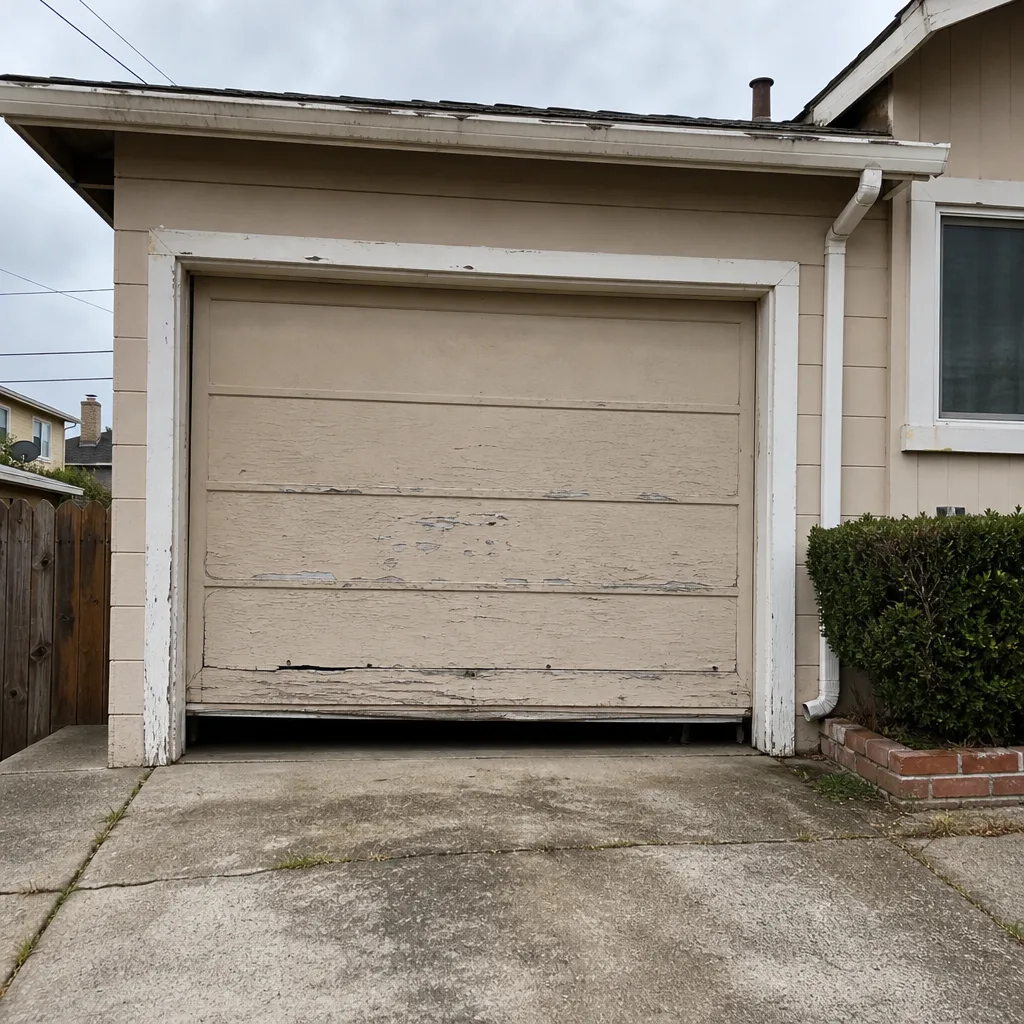 Before
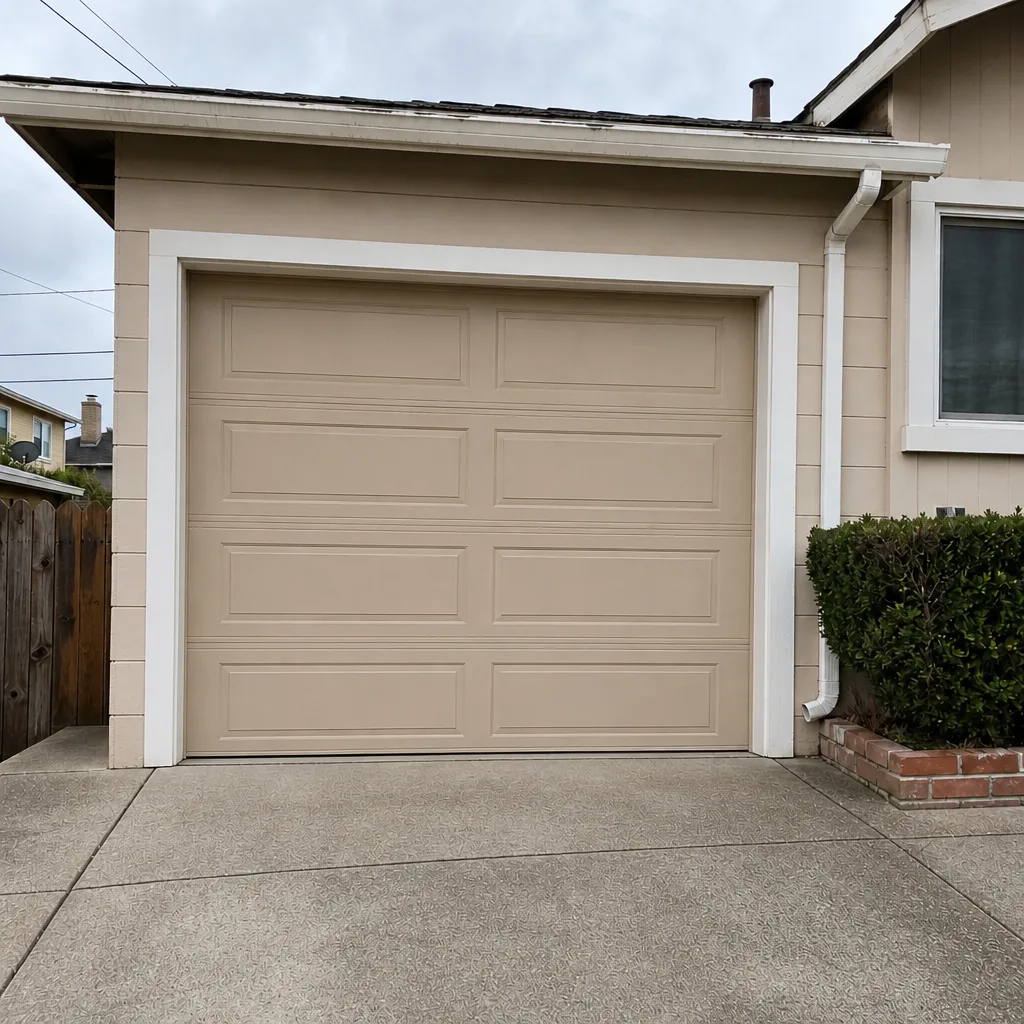 After
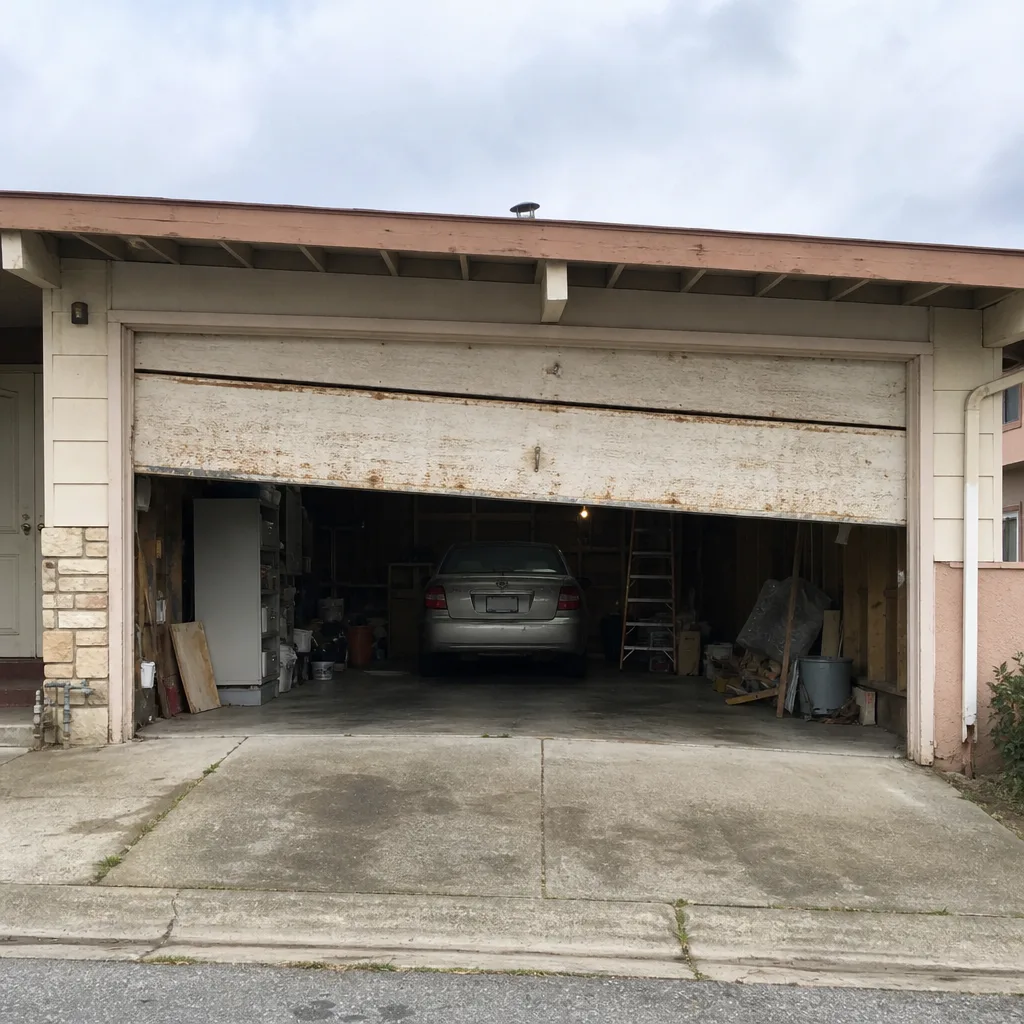 Before
 After
 Before
 After